


Understanding Cat Behaviour and Communication for Pet Carers
Cats are wonderfully expressive, though their language can feel subtle. For pet carers, learning to read those tiny signals can make a huge difference to a cat’s comfort and wellbeing. This post breaks down the main ways cats communicate, offers practical tips for carers, and gives step by step ideas to build trust and reduce stress.
Reading the body language
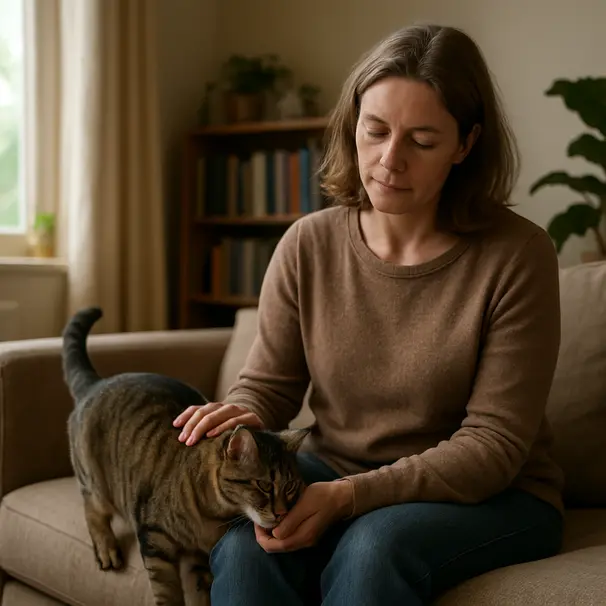
Cats speak with their bodies more than with sounds. Watching posture, tail, ears and eyes gives you a real-time window into how a cat is feeling.
Key body cues
- Eyes: Slow blinking can be a friendly sign, while wide open pupils may mean excitement, fear, or dim light. A hard, fixed stare can feel threatening to another cat.
- Ears: Forward ears usually mean interest. Ears flattened to the sides or back often show fear or aggression. Small swivels tell you they are listening to a moving sound.
- Tail: A steady upright tail often means confidence and greeting. A puffed up tail can signal fear, and quick flicks can mean irritation. A low, tucked tail suggests anxiety.
- Posture: A relaxed cat will have loose muscles and may sprawl. A hunched cat with its head low could be uncomfortable. When a cat leans into you or rolls over, they may be trusting you, but watch other signals before reaching in.
Read clusters, not single signals
One sign on its own can be misleading. A cat with wide pupils might be excited during play or scared by a stranger. Look for a cluster of signals, and give the cat space to relax if you see multiple stress cues.
Vocal cues: what those meows and chirps mean
Cats use a range of sounds, and many are aimed at humans rather than other cats. Recognising common vocal signals helps carers respond in ways that build trust.
- Meows: Often directed at people. Short, high meows may be a greeting. Repeated meows can mean the cat wants attention, food, or something else.
- Purring: Frequently a contentment sound, but cats can also purr when anxious or in pain. Consider the context. If a purr accompanies tense posture, check for other signs of distress and consider consulting a vet.
- Chirps and trills: Usually friendly, often used to invite interaction or indicate curiosity.
- Hissing and growling: Clear warnings. Give the cat space and do not force interactions.

Scent, marking and the silent language
Scent is a huge part of how cats make sense of their world. They mark with urine, feces, and rubbing with facial glands. For carers, understanding scent cues can prevent misunderstandings and help create a calmer environment.
- Face rubbing: When a cat rubs their cheeks on you or furniture, they are leaving calming pheromones and claiming something as familiar. Encourage this by creating consistent routines.
- Scratching: Not just for claws. Scratching leaves both visual and scent marks. Provide posts and horizontal scratchers in preferred spots.
- Spraying: Vertical spraying of urine is often a response to stress, territorial conflict, or medical issues. If you see new spraying, consider environmental changes and recommend a vet check.
Creating a scent-friendly space
Keep carriers and new items unwashed for short periods to let the cat mix scents, introduce new objects slowly, and allow cats to approach areas on their own terms. A consistent scent environment can lower stress.
Social behaviour and bonding
Cats vary widely in sociability. Some adore constant contact, others prefer short, predictable interactions. Carers who adapt to individual preferences often succeed in building rapport faster.
Reading the social map
- Initiates contact: If a cat approaches you first, follow their lead. Let them sniff you and decide whether to be petted.
- Avoidant cats: For shy cats, short visits, lower eye contact, and quiet voices help. Sit at their level and let them come to you.
- Playful cats: Use interactive toys to channel energy and strengthen your bond. A good session ends before the cat tires and becomes grumpy.
Introducing new people or animals
Do introductions slowly. For people, start with scent exchanges and brief, calm visits. For other pets, keep them separated at first, swap bedding or toys, and allow limited supervised visits. If either animal shows persistent stress, slow the process further.
Play, enrichment and mental wellbeing
Play is a fundamental way cats communicate and exercise. It helps with physical health and reduces stress related behaviours like excessive vocalisation or inappropriate scratching.
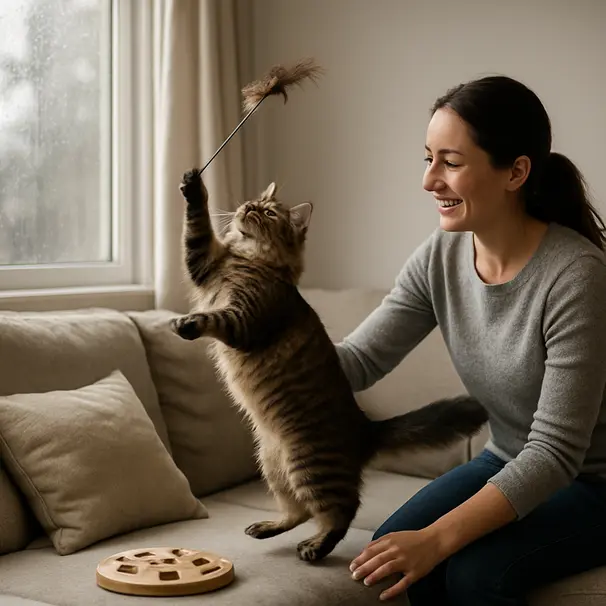
- Interactive play: Wand toys and feather teasers mimic prey. Let the cat ‘catch’ the toy occasionally to satisfy hunting instincts.
- Puzzle feeders: These add mental stimulation and can slow down fast eaters.
- Vertical space: Shelves, cat trees and window perches give cats places to observe and feel safe.
Daily enrichment routines
A short, consistent play session twice a day can work wonders. Rotate toys to keep things interesting. Leave safe boxes, paper bags, and new textures occasionally, especially for indoor-only cats.
Stress, fear and aggression: what to watch for
Stress can show up in subtle ways. The sooner you spot it, the easier it is to help.
Common stress signs:
- Hiding more than usual
- Changes in appetite
- Increased grooming or bald patches
- New litter box avoidance
- Aggression or sudden biting
If you see these signs, start by assessing the environment. Have there been recent changes? New animals, unfamiliar visitors, loud noises, or different routines can all contribute. Consider small adjustments like creating quiet zones, adding vertical perches, or using pheromone products that may help some cats. If behaviours are severe or sudden, consider advising a vet check to rule out medical causes.
Practical tips for pet carers
Here are friendly, actionable habits you can adopt when caring for cats.
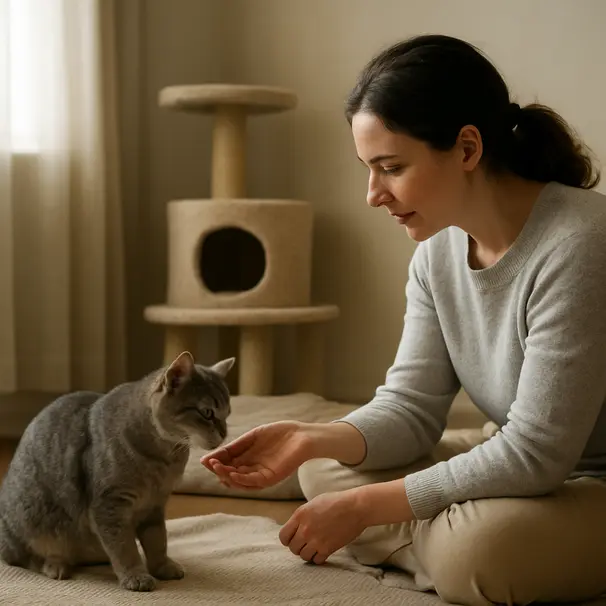
- Approach calmly: Lower your body, avoid looming over the cat, and offer an open hand for sniffing.
- Follow the cat’s pace: Let them choose when to be petted. Start with safe areas like the cheeks and base of the tail. Many cats dislike belly rubs.
- Use consistent cues: A gentle call or soft whistle before feeding or play can help the cat learn routines and feel secure.
- Respect the litter box: Scoop daily, provide one box per cat plus one extra, and keep boxes in quiet but accessible spots.
- Handle gently for grooming and transport: Use slow movements. Offer treats and praise. If a cat struggles with carriers, make the carrier a positive place with bedding and treats left inside.
Handling tricky moments
If a cat becomes aggressive or frightened, give space. Avoid punishment. Redirect with toys, and use calm, low tones. If you must move a cat quickly for safety, wrap them gently in a towel rather than forcing limbs.
Building trust during short visits
Pet carers often have limited time with each cat. Use that time wisely to strengthen the relationship.
- Arrive quietly and allow a few minutes for the cat to observe you.
- Offer a few minutes of low-pressure interaction, such as sitting nearby and reading, letting the cat come to you.
- Prioritise routine tasks like feeding and litter care, then add a brief play or grooming session if the cat seems open.
- Leave a small, comforting item with the cat, like a lightly scented blanket, to remind them of your visit.
Notes on health and safety for carers
Always watch for signs that could indicate a health issue. Sudden changes in litter box habits, appetite, grooming, or energy level may suggest a medical problem. Encourage owners to seek veterinary advice if symptoms persist. Use protective gloves when needed, and keep vaccinations and parasite prevention up to date for all cats in your care.
Quick checklist for every visit
- Greet quietly and wait for the cat to approach.
- Check food, water and litter box condition.
- Offer a short enrichment or play session.
- Look for any changes in behaviour, appetite or mobility.
- Leave notes for the owner about what you observed.
Final thoughts and resources
Being a great pet carer means listening with your eyes as much as with your ears. Cats reward patient, calm, and predictable care. Small routines and thoughtful enrichment can make a cat’s day, and a little attention to scent and space goes a long way toward reducing stress.
If you notice worrying changes, consider suggesting a vet visit. For behaviour challenges that persist, a certified feline behaviourist may help create a tailored plan. Above all, keep learning and enjoy the quiet, quirky company of the cats you care for.
- Helpful next steps: ask owners about a cat’s favourite games and hiding spots, keep a short log of visits, and make small environmental tweaks based on what you observe.
Thank you for caring for cats with compassion. With a few respectful adjustments and gentle curiosity, you can make their time away from home feel safer and more joyful.