

Understanding dog body language and behaviour
As a pet carer, your quiet attention to a dog’s postures, expressions, and little noises is one of the kindest things you can offer. Dogs don’t speak our language, but they talk constantly with their bodies. Learning to read those signals helps you keep dogs comfortable, prevent misunderstandings, and provide care that actually meets each dog’s emotional needs.
This guide is full of practical tips you can use on walks, during handovers, while feeding, and during quiet downtime. Keep a calm attitude, move slowly, and remember: small changes in your approach can make big differences for a dog’s comfort and confidence.
The essentials: what to watch for
Dogs communicate with several parts of their bodies at once. Look holistically and notice clusters of signals rather than single behaviors.
- Head and eyes: Soft, blinking eyes and relaxed faces usually mean comfort. Hard stares, whale eye (showing the white of the eye), or a fixed gaze can mean worry or arousal.
- Ears: Pricked forward ears often show interest. Flattened ears can indicate fear or submission, depending on context.
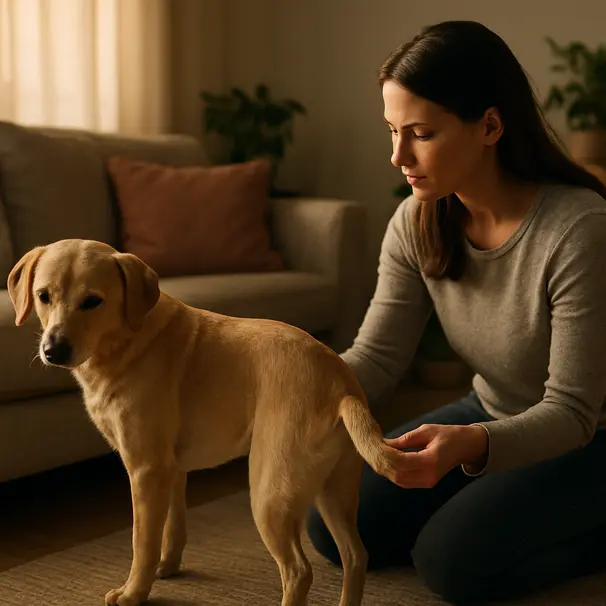
- Tail: Tail position and movement say a lot. A loose wag isn’t always joyful; a high, stiff wag might signal over-arousal. A tucked tail suggests anxiety.
- Mouth and lips: A relaxed mouth looks slightly open, with the tongue visible. Tight lips, lip licking, or showing teeth can be stress signals or warnings.
- Posture: A loose, wiggly body means relaxed. A tense, frozen body, leaning away, or cowering indicates discomfort. Forward leaning might be playful or dominant, so watch the whole picture.
- Hackles (raised fur along the back): This is an arousal marker. It doesn’t automatically mean aggression; it can indicate excitement, fear, or arousal from scents, exercise, or conflict.
Calming signals: the dog’s polite language
Dogs use subtle behaviors to say they’re uneasy and to defuse situations. Look for yawns, lip licks, turning the head away, slow blinking, and soft body rolls. These are requests for space and calm. If you see them, slow your movements, lower your voice, and give the dog room.
Common emotional states and what they look like
Here are practical examples you’ll encounter and how to respond.
Relaxed and content
Signs: Loose body, soft eyes, gentle tail wag, relaxed mouth, play bows.
What to do: Offer gentle petting in the dog’s preferred area, speak softly, and maintain the routine that helps them feel secure.
Playful
Signs: Play bow (front lowered, rear up), bouncy movements, open mouth that looks loose, alternating between chasing and checking in.
What to do: Match energy safely. Use toys rather than hands for high-energy play and monitor the play partner’s body language to avoid escalation.
Anxious or fearful
Signs: Tucked tail, flattened ears, trembling, avoidance, panting without exercise, hiding, or trying to escape.
What to do: Don’t force interactions. Step back, avoid eye contact, let the dog approach on their terms, and offer a calm, quiet environment. Consider using high-value treats to create positive associations, but only if the dog will accept them.
Frustrated or barrier-reactive
Signs: Pacing, intense barking at windows or fences, lunging at a leash, fixed stare.
What to do: Increase distance from the trigger, redirect focus with games or enrichment, and avoid pulling harder on the leash. Short, calm breaks may help.
Aggressive or warning behaviour
Signs: Growling, snapping, showing teeth, stiff body, direct stare, lunging.
What to do: Safety first. Do not attempt to physically punish or force restraint. Give the dog space, calmly remove others if safe, and seek advice from the dog’s owner and a qualified behaviour professional. If behaviour changes suddenly, consider consulting a vet because pain can cause aggression.
Safe introductions and meeting new dogs
First meetings set the tone for your entire visit. Use a gentle, predictable routine.
- Before approaching, ask the owner about greetings, favourite treats, and known triggers. Note any do-not-touch areas.
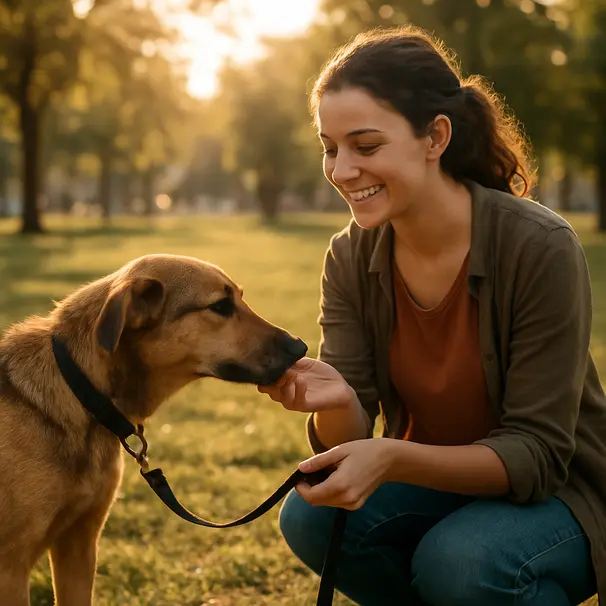
- Approach in a curve rather than directly facing the dog. Keep your body relaxed and slightly sideways.
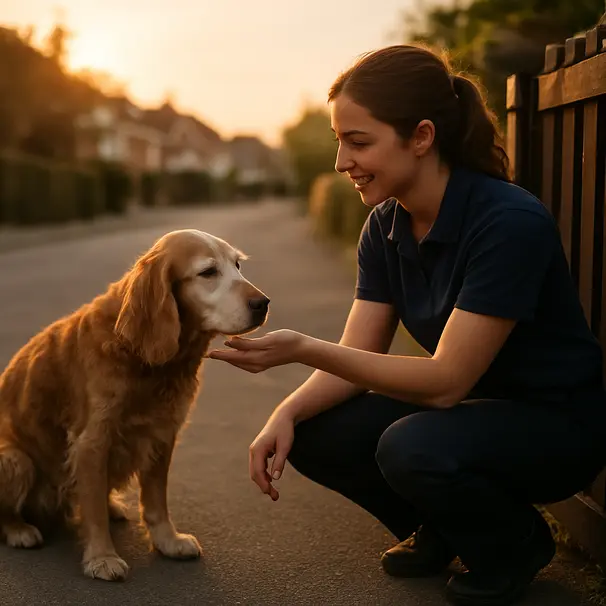
- Let the dog come to you. Offer the back of your hand at a safe distance for sniffing, palm down, fingers curled slightly.
- Avoid hovering over the dog. If they’re small, squat to the side rather than looming above.
- Use a calm, friendly voice. High-pitched voices may excite some dogs and stress others.
- If the dog is on a lead, check the owner’s handling preferences and the equipment’s fit. A secure harness may feel safer than a collar for certain pups.
If a dog shows clear stress signals, back away and try again later or wait until they calm. Small trust-building steps are better than forcing a fast friendship.
Handling during care: grooming, feeding, and vet visits
Care routines can be stressful for many dogs. Anticipate possible triggers and adapt your approach.
- Grooming: Start with short sessions and lots of breaks. Offer treats between steps, and watch for stiffening or hard eyes. If a dog freezes or tries to bite, stop and give space.
- Feeding: Some dogs can be possessive. Respect mealtime boundaries. If in doubt, ask the owner about bowl guarding history and use safe feeding protocols like placing food and stepping away.
- Nail trims and touching paws: Pair touches with treats or praise, progress slowly, and stop if the dog tries to pull away. Consider doing “touch-to-treat” training sessions between professional groomings.
- Vet visits: Many dogs associate clinics with stress. Keep car rides calm, use familiar blankets, and carry favourite treats. Encourage owners to desensitise visits with short, pleasant trips to the clinic if possible.
Practical tool: Always carry a small kit—high-value treats, a towel, slip lead, and a few favourite toys. They can make transitions smoother.
Calming tools and enrichment that help behaviour
Enrichment gives a nervous dog an alternative focus and reduces stress over time.
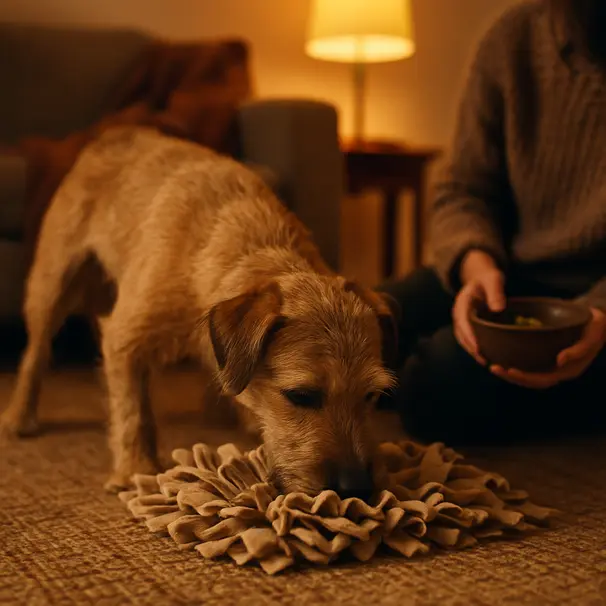
- Scent games: Snuffle mats and hidden treats can keep a dog mentally engaged and lower arousal.
- Puzzle feeders: Slow meals and engaging feeders help dogs who get bored or frustrated quickly.
- Chew toys: Long-lasting chews can assist with calming when supervised.
- Short training sessions: Ten-minute sessions using positive reinforcement build confidence. Teach simple cues like “sit” or “look” for focus.
- Calming aids: Thundershirts, calming pheromone diffusers, or soothing music can help some dogs. Consider these as complementary tools and talk with the owner and a vet if you’re unsure.
Small wins add up. A few minutes of enrichment before a walk may reduce pulling and reactivity.
Managing walks and public outings
Walks are social work for dogs, not just exercise. Planning ahead reduces surprises.
- Route selection: Pick quieter routes for nervous dogs and busier ones for confident, social dogs.
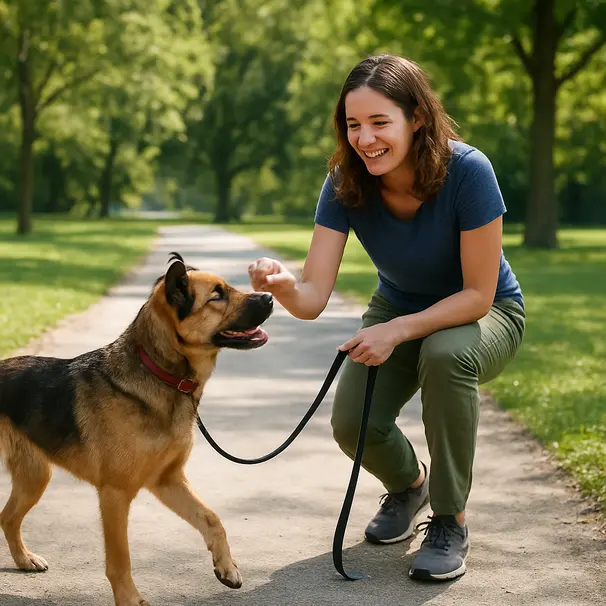
- Passing strangers and dogs: Increase distance before a stressful meeting, and use treats or a calm cue to redirect attention. Give the leeway to pass and continue walking, rather than forcing a close greeting.
- Greeting other dogs: Not all dogs want to meet. Pause, ask the other owner if their dog is friendly, and let both dogs decide. Avoid leash tension during greetings.
- Car travel: Secure the dog in a crate or harness, and make sure windows are safe. Short, pleasant car rides can build positive associations with travel.
If a dog becomes reactive on walks, stop, give space, and calmly leave the area. Short, predictable walks are better than long, tense ones.
When to pause and seek professional help
Certain signs mean you should pause and consult the owner, a vet, or a certified behaviourist.
- Sudden behaviour changes, like new biting, withdrawal, or fear.
- Signs of pain: reluctance to move, sudden aggression, licking a spot repeatedly, or changes in appetite. Consider that behaviour may be masking a medical issue and recommend a vet check.
- Repeated aggressive incidents, despite calm management.
If in doubt, document what happened and share clear notes with the owner. Consider asking the owner to contact their vet or behaviourist for ongoing issues. Safety and health come first.
Building trust and leaving great notes for owners
Trust grows from repetition, respect, and clear communication.
- Be consistent: Use the same cues and rewards the owner uses if possible. Consistency helps dogs learn faster and feel safer.
- Short sessions: If a dog is nervous, short, positive interactions build confidence without overwhelming them.
- Observe and record: Keep a small log—what relaxed the dog, what triggered stress, how they reacted to treats and touch. Share observations with owners with warmth and detail.
- Use photos and a gentle report: A happy photo and a few lines about how the dog ate, rested, and walked can reassure owners.
Practical checklist for carers:
- Ask about favourite treats and do-not-touch areas.
- Check identification, lead, and harness fit.
- Start interactions at the dog’s pace.
- Reward calm choices and redirect unwanted behaviour gently.
- Report any changes immediately to the owner.
Final tips and gentle reminders
Being a great pet carer is part empathy, part detective work, and lots of patience. Your calm presence matters. Trust your instincts when something feels off, and always prioritise safety for the dog and people around them.
If you’re ever unsure, ask the owner for guidance and suggest a professional consult when needed. Small actions—slowing down, offering space, and keeping notes—lead to happier, more relaxed dogs and happier owners.
Thanks for caring so thoughtfully. Your attention to a dog’s body language makes a real difference every day.