

Introduction
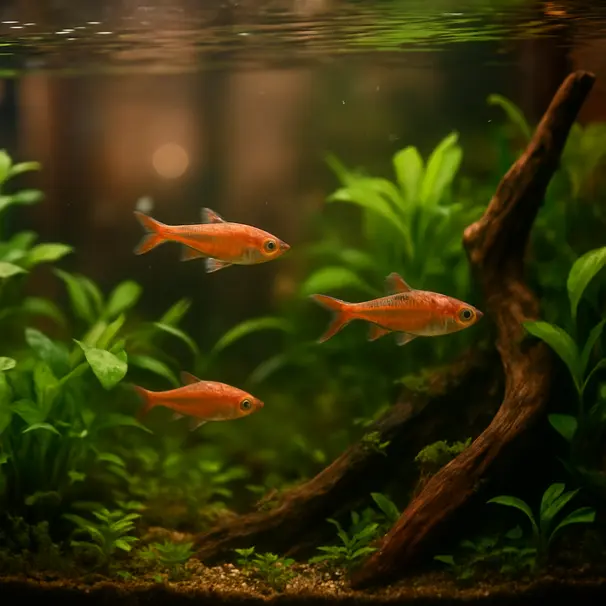
Fish are often thought of as quiet, low-maintenance companions. In a way they are, but they also have personality, needs and ways of communicating that can be surprisingly expressive. For pet owners and pet carers who look beyond the glass, learning to read fish behaviour builds trust, reduces stress and helps spot health or welfare issues earlier.
In this guide wexplore common behaviours you might see, why they happen, and practical steps you can take to support your fish. The aim is warm, friendly and useful advice you can use during everyday care or when handing responsibility to a pet carer.
Why fish behaviour matters
Fish behaviour reflects their environment, social structure, health and comfort level. Subtle changes in swimming patterns, appetite or interaction with tankmates can point to water quality issues, diet problems or stress. For carers, understanding these cues makes short visits more effective and helps avoid accidental harm.
Being fluent in fish cues also makes handovers smoother. A good pet carer who knows the usual activity levels and quirks of a particular tank can recognise deviations quickly, communicate clearly with the owner, and take sensible steps while waiting for further advice.
Reading common fish behaviours
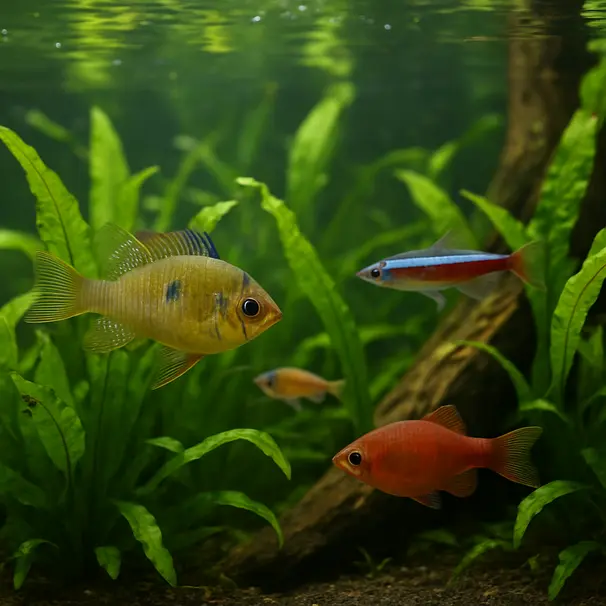
Fish express themselves through motion, colour, position in the tank and how they interact with other fish. Here are common behaviours and what they may suggest.
Relaxed cruising
Description: Smooth, steady swimming, exploration of the tank, occasional grazing on plants or substrate. What it may mean: The fish is comfortable, water conditions are likely acceptable, and social dynamics are stable. Practical tip: Keep a simple observation log. Note times of active swimming and feeding, so you and any carers know what normal looks like.
Hiding or staying at the bottom
Description: Fish hiding among plants or decorations, resting at the bottom, or clamped close to the substrate. What it may mean: Stress, poor water quality, illness, or the fish may be naturally shy. New fish often hide while they acclimate. Practical tip: Check water parameters and look for aggressive tankmates. For new arrivals, provide plenty of cover and a quiet period to settle.
Gasping at the surface
Description: Fish repeatedly coming to the water surface with mouth movement that looks like gasping. What it may mean: Low oxygen, high ammonia, or problems with filtration. Some species naturally graze at the surface, so context matters. Practical tip: Test oxygen levels and water quality. If levels seem off, consider increasing aeration or improving filtration. Contact a vet or specialist for persistent issues.
Flashing and rubbing
Description: Fish rubbing or scraping their bodies along decorations or substrate, sudden quick flicks called “flashing.” What it may mean: External parasites, irritation, or sensory discomfort from water chemistry. Practical tip: Inspect for visible parasites, consider quarantining affected fish, and consult a vet or experienced aquarist before medicating.
Fin clamping and pale colours
Description: Fins held close to the body, duller colours, lethargy. What it may mean: Stress, illness or poor water conditions. Practical tip: Measure water parameters and review recent changes to feeding or tank maintenance. Small, calm adjustments usually help.
Aggression and territoriality
Description: Chasing, nipping fins, or guarding particular spots such as caves or plants. What it may mean: Territorial behaviour, competition for mates, or overcrowding. Practical tip: Observe social dynamics, possibly split aggressive pairs, or rehome if space and compatibility are problems. Rearranging decor sometimes helps reset territories.
Schooling and shoaling
Description: Grouped swimming with coordinated turns and positioning. What it may mean: Many fish feel safer in groups. A tight school often indicates security, while a loose or absent school may point to stress or missing companions. Practical tip: Keep schooling species in suitable numbers. Carers should know the required group size so fish areneel isolated.
Environmental influences on behaviour
Fish behaviour is tightly linked to environment. Small changes can ripple into noticeable behaviour shifts.
Water quality and chemistry
Parameters like temperature, pH, ammonia, nitrite and nitrate can dramatically affect behaviour. For example, sudden pH swings or elevated ammonia often trigger hiding, gasping or unusual swimming.
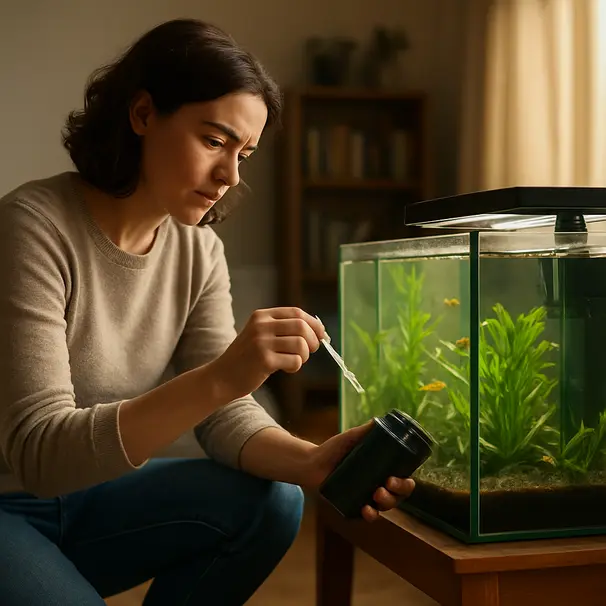
Practical tip: Maintain a simple testing routine. Owners can leave carers clear instructions and fresh test strips to help keep an eye on things between visits.
Tank layout and enrichment
A bland tank can lead to boredom and stress. Structures, plants and varied substrate give fish places to explore and hide.
Practical tip: Use gentle currents, varied planting, and shelter areas. Rotate safe enrichment elements occasionally to keep the environment engaging.
Light and day-night cycles
Fish have rhythms. Too much light can stress some species, while others enjoy brighter conditions. Sudden changes in lighting often cause confusion and hiding.
Practical tip: Use timers for consistent day-night cycles. If you need to change lighting for maintenance or visits, dim lights gradually, and note changes in the care log.
Diet and feeding schedule
Sudden changes in food type or feeding frequency can influence activity and social behaviour. Overfeeding causes poor water quality, which triggers many behavioural issues.
Practical tip: Keep feeding instructions straightforward for carers. Suggest measured portions, preferred brands, and any special treats the fish enjoy.
Practical tips for pet carers
Whether you rop by for 20 minutes or stay for a week, small, thoughtful actions make a big difference for fish comfort and wellbeing.
On arrival: quick tank scan
- Observe from a distance first. Note any unusual swimming, gasping or aggression.
- Check filter flow and heater function.
- Look for signs of illness such as white spots, torn fins or clamped fins.
Feeding responsibilities
- Stick to the owner pproved food and amounts.
- If fish refuse food during your visit, donorce feeding. Make a note and inform the owner.
- Spread feeding times if multiple carers are involved so fish get consistent meals.
Maintenance during visits
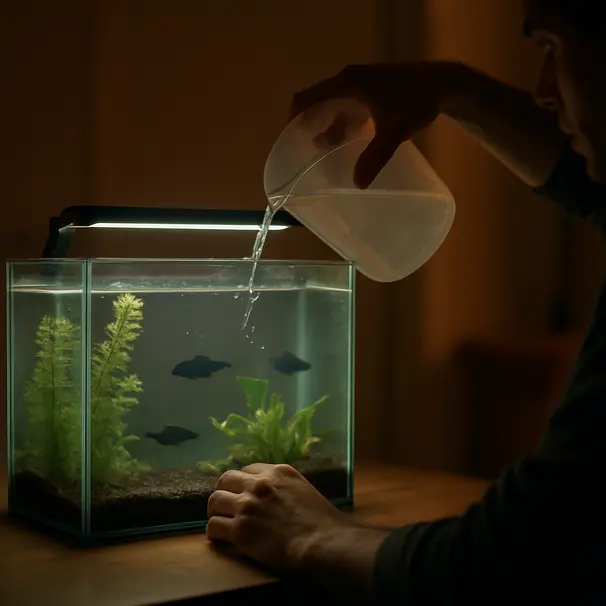
- Limit large water changes to what the owner has authorised. Sudden big changes can shock fish.
- Use dechlorinated water at the right temperature if topping up.
- Avoid heavy rearrangement of decor unless agreed. Moving rocks or plants can upset territorial fish.
Handling emergencies
- If you suspect serious distress, such as continuous gasping or large-scale mortality, alert the owner and consider contacting a vet or aquatic specialist.
- Avoid unverified medications. Many treatments alter water chemistry and can harm other tank residents.
Health cues and when to consult a vet
Fish can hide illness until conditions are advanced. These signs suggest a vet consult may help:
- Persistent loss of appetite over several feedings.
- Rapid breathing, severe lethargy or listless floating.
- Visible lesions, severe fin damage or parasites on multiple fish.
Use careful wording when reporting to an owner or vet. Describe specific observations, timings and any recent changes to the tank. A picture or short video can be very helpful.
Remember, a vet who specialises in aquatic animals may be the best resource. Routine check-ups are rare for fish, so consider consulting a professional if you notice worrying signs.
Working with pet owners: communication and handovers
Good notes and clear communication are the backbone of successful pet sitting. Owners appreciate carers who observe and report clearly.
Create a simple care sheet
Owners should provide:
- Feeding schedule and portion sizes.
- Usual water parameters and acceptable ranges.
- Medication instructions, if any, and authorisation for emergency treatments.
- Photos of the tank and key fish for identification.
Observation log for carers
Carers can keep a short log for each visit. Useful items include:
- Date and time of visit.
- Feeding status.
- Behavioural notes: activity, hiding, aggression.
- Any changes to equipment or water top-ups.
This log becomes a shared record. Small details can reveal patterns over time that a single visit might miss.

Settling new fish with a carer present
Bringing new fish into a tank requires care and time. If a carer is scheduled during acclimation, owners can ask them to minimize disturbance.
Practical suggestions for owners:
- Stagger visits so the fish have long quiet periods right after introduction.
- Provide clear acclimation notes, including how long to drip-acclimate and signs of stress to watch for.
Practical suggestions for carers:
- Avoid loud noises and sudden movements near the tank.
- Keep lights low for the first 24 hours unless species prefer brighter conditions.
Enrichment ideas for more engaging tanks
A few thoughtful touches can encourage healthy behaviour and reduce stress.
- Safe live plants or silk plants for shelter.
- Floating food puzzles for surface feeders.
- Varied feeding locations to encourage exploration.
Always ensure additions are species appropriate and won lter water chemistry in harmful ways.
A short checklist for carers to leave with owners
- Water temperature recorded and any fluctuations.
- Notes on feeding, who fed and how much.
- Behavioural observations and any unusual signs.
- Equipment status, such as filter and heater working normally.
This makes handover neat and reassuring. Owners love receiving a thoughtful note about their fish ay.
Conclusion
Fish behaviour is rich and informative if you take the time to watch. As a pet owner or carer, a little observation, consistent routines and open communication go a long way. When in doubt, consider testing water, adjusting simple environmental things, and consulting a vet if problems persist. With patience and care, many fish will thrive and show their personalities in time.
Happy watching, and may your tanks be calm and your fish curious and bright.