

Walking Your Dog in Autumn: 7 Hazards Every Pet Owner Should Know
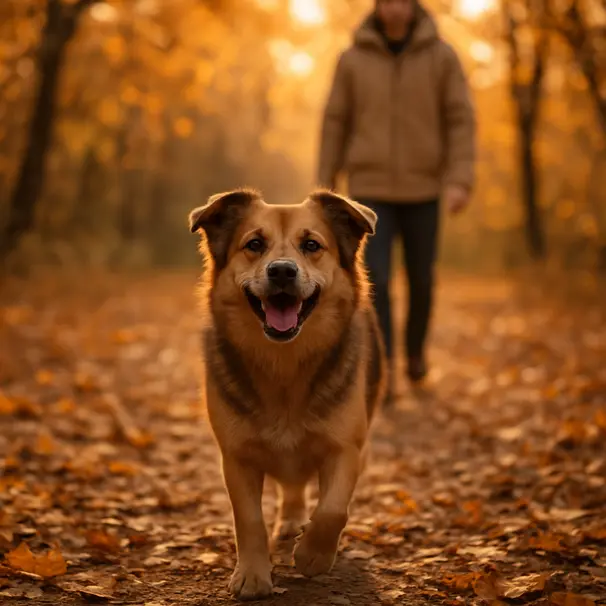
Autumn has a way of turning ordinary walks into golden adventures. Crunchy leaves, crisp air and longer sniff sessions make this season a favourite for many dogs and their humans. At the same time, changing weather and seasonal debris bring a handful of hazards that can catch you by surprise. This post walks through seven common autumn risks and gives friendly, practical tips to keep your outings safe and joyful.
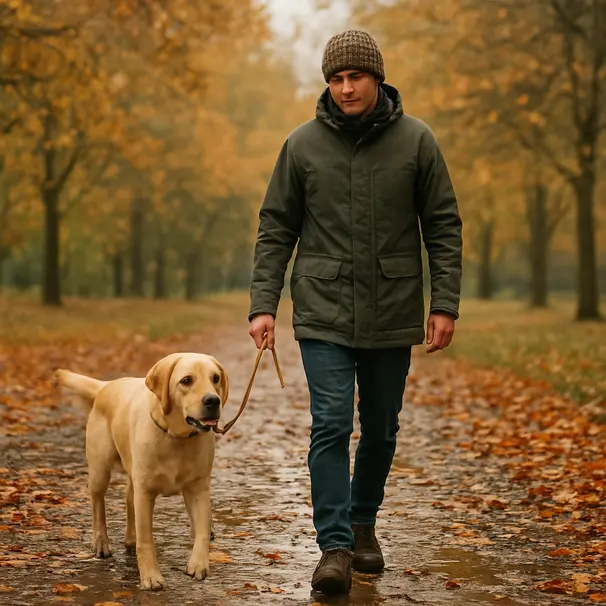
Quick checklist before you head out
- Check the weather forecast and dress in layers.
- Grab a visible lead and reflective collar or harness.
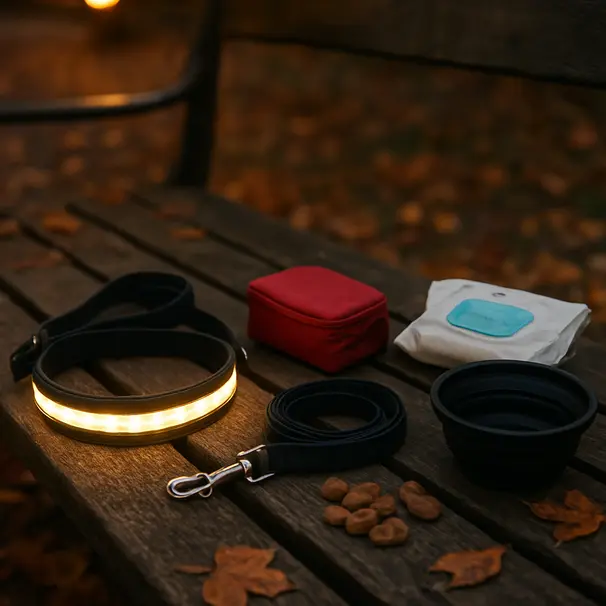
- Pack treats, poop bags, a towel, and a small first aid kit.
- Make sure microchip and ID tags are up to date.
1. Slippery leaves, hidden holes and uneven ground
A carpet of wet leaves looks gorgeous, but it hides what’s underneath. Potholes, rocks and uneven ground can twist a paw or an ankle. Dogs love to dart after a squirrel and may disappear into a leafy patch without you seeing the terrain first.
Practical tips
- Slow down and scan the path. Take a couple of extra steps so you see what lies under the leaves.
- Keep energetic dogs on a shorter lead in new areas. This gives you more control if they lunge.
- Consider dog boots for senior pets or pups with previous leg injuries. Boots can help with grip, but introduce them slowly so your dog accepts them.
Training tip
Try walking with a shorter lead for five-minute intervals, then reward calm walking. This helps your dog learn to move carefully when footing is uncertain.
2. Cold, damp paws and sensitive joints
Cooler nights and wet grass make paws chapped and paws pads sore. Older dogs or breeds prone to arthritis may feel aches more on cold days. Damp fur close to the skin can also chill small or short-haired breeds.
What you can do
- Dry paws and between toes after a walk to remove grit, leaves and moisture.
- Keep a paw care kit with a gentle paw balm, warm towel and soft brush. A balm can help soothe dry pads, but consider testing a small amount first and consult your vet if you see cracks or persistent pain.
- Shorten walk times on very cold or wet days and give indoor play to top up exercise needs.
Gear note
A lightweight waterproof coat for short-haired dogs can keep them warmer and reduce how much they shiver. For dogs that seem uncomfortable, consider a vet check to rule out joint conditions.
3. Early darkness and reduced visibility
Days get shorter fast in autumn. Walks that once finished in daylight can soon be in dusk or dark. Reduced visibility increases the risk of accidental encounters with traffic and makes it harder for drivers and cyclists to spot you.
Safety steps
- Use reflective or LED collars, harnesses and leashes. A clip-on light for your dog and one for your own clothing can make a big difference.
- Choose well-lit routes or parks known to be safe after dark.
- If walking near roads, keep your dog on the side away from traffic and on a shortened lead.
Behavior tip
Work on reliable recall during daylight hours so you can trust it a bit more when visibility is lower. Short, high-value training sessions help maintain attention during the season change.
4. Ticks, fleas and seasonal parasites
Autumn is still active for ticks and fleas in many regions. A tick attached to a dog can be hard to spot among leaf litter and long fur. Ticks may transmit infections, so checking after each walk is a simple habit that can help reduce risk.
What to check for
- Run your hands gently over the coat after each walk, especially around ears, neck, under the arms and between toes.
- Look for tiny dark specks that move, and remove ticks carefully with a tick remover or fine-tipped tweezers.
Prevention and care
- Keep up with parasite prevention recommended by your vet. Topical or oral preventatives may be suitable and can help reduce the chances of flea or tick attachment.
- If you find a tick and are unsure how to remove it, consult your vet promptly. If your dog shows any unusual signs after a tick bite, such as lethargy or strange lameness, contact your vet.
5. Fallen fruit, mushrooms and toxic plants
Autumn brings nuts, berries and mushrooms. While some are harmless, others can be toxic. Dogs that sample fallen fruit or nibble unknown plants may become unwell.
Practical advice
- Teach a reliable “leave” or “drop” cue so you can interrupt your dog when they go for something on the ground.
- Avoid areas with lots of unknown mushrooms or fallen fruit if your dog is a scavenger.
- If your dog eats something suspicious, take a photo of the item and contact a poison helpline or your vet for guidance.
Safety habit
Offer your dog a trade: a tasty treat in exchange for the item they picked up. This redirects them and reinforces the leave cue.
6. Roadside chemicals, antifreeze and salt
Road grit, de-icing salts and antifreeze can all be dangerous. Antifreeze has a sweet taste and is highly toxic even in small amounts. Salt and grit can irritate paws and be uncomfortable if dogs lick their paws afterward.
How to reduce risk
- Keep dogs off the road and away from areas where car fluids may collect.
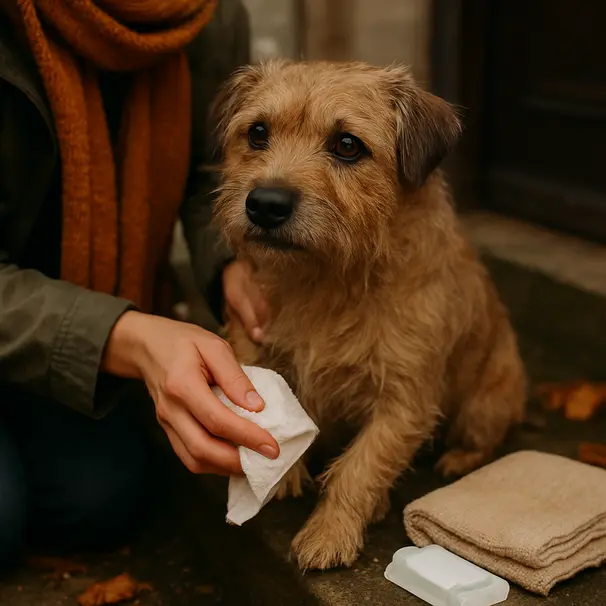
- Rinse paws with warm water and dry them after walks near salted roads. A small towel or pet-safe paw wipe in your bag is handy.
- Store household chemicals safely and clean spills quickly. If you suspect your dog has licked antifreeze, call your vet immediately.
Practical gear
Boots protect paws from grit and salt. If boots are not tolerated, use paw balm after walks to soothe and protect pads.
7. Crowds, events and dog-to-dog interactions
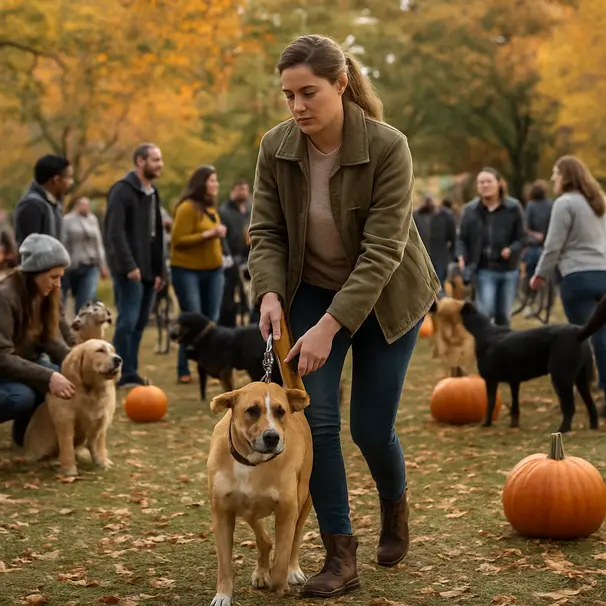
Autumn brings festivals, pumpkin patches and busy dog parks. New people and unfamiliar dogs can lead to stress or tense encounters. Even normally social dogs may feel overwhelmed by loud noises or crowded spaces.
Before you go
- Observe the area first. If it looks packed or noisy, consider a quieter route.
- Look for body language cues from other dogs: stiff tails, hackles raised, direct staring. These may signal discomfort.
- Keep shy or nervous dogs on a longer lead with space to move away. For confident dogs, brief, calm introductions work best.
If a situation feels tense
- Move calmly and confidently away. Avoid shouting or tugging hard at the lead, as this can increase stress.
- Use treats to create positive associations and reward calm behavior.
- If you plan to visit an event, bring a friend or carer to help manage your dog, and always have an exit plan.
Packing list for autumn walks
- Reflective harness or LED light
- Short lead for higher control when needed
- Poop bags and hand sanitizer
- Small towel and paw wipes
- Portable water and collapsible bowl
- Treats for training and luring away from hazards
- Basic first aid items: bandage, antiseptic wipe, tick remover
A lightweight waterproof coat or jumper can help dogs that get cold quickly. If you rely on a pet carer, share your packing list and any special notes about your dog so they know what to bring.
What to do if something goes wrong
- For a suspected toxin ingestion: take a photo of the substance and call your vet or a poison helpline right away.
- For cuts or paw injuries: apply gentle pressure with a clean cloth. If bleeding does not stop or the cut looks deep, see a vet.
- For suspected broken bones or serious limp: keep your dog calm and limit movement. Contact your vet or an emergency clinic.
Encourage carers to have your emergency contact details and vet information handy. A shared note with health concerns, allergies and behaviour triggers can make a big difference in an emergency.
Final thoughts: enjoy the season safely
Autumn walking is one of the best parts of pet parenthood. With a little planning and awareness, you can keep the walks safe, snug and full of those small, sniff-led joys. Make seasonal checks part of your routine, and don’t hesitate to ask a trusted pet carer for help on days when you need an extra set of hands.
If you ever feel unsure about a health issue, consider contacting your vet. Small changes in behavior or movement may be worth checking. And remember, most dogs love the season just as much as we do. With sensible precautions, every crunchy path can stay a happy memory.
Want more
Share this guide with a friend, or pin your own checklist to the Floofy app. If you need a reliable carer to handle autumn walks, browse trusted profiles and find someone who treats your dog like family.