

What is a drop-in service?
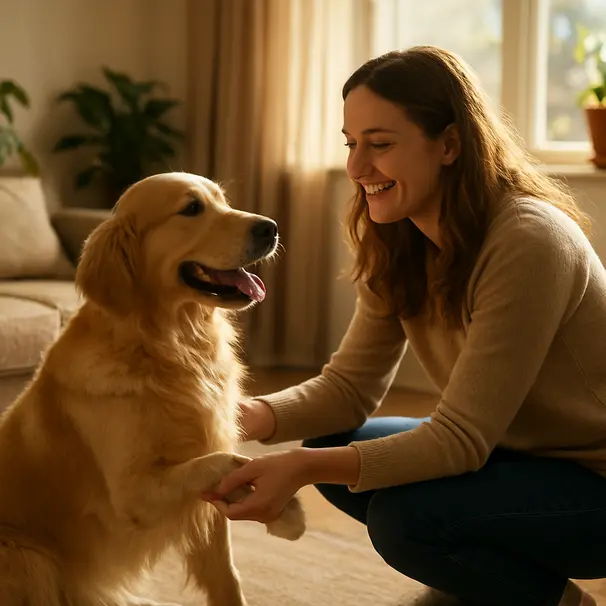
A drop-in service is a short visit from a professional pet carer to your home while you can’t be there. It usually lasts 15 to 45 minutes, and it focuses on the essentials: food and water, potty breaks, a quick walk or play session, and some one-on-one attention. Think of it as a friendly pit stop for your pet, a moment to reset the day and keep routines on track.
Who uses drop-in visits?
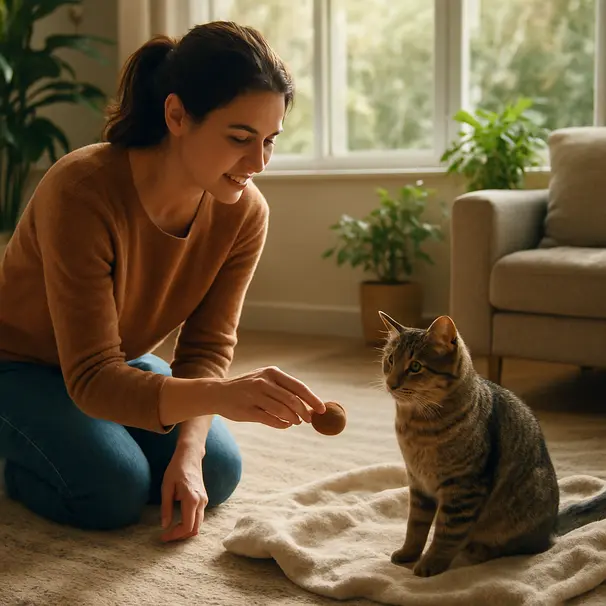
Drop-ins are popular with a wide range of pet owners. Busy professionals who work long shifts, parents juggling school runs, people who travel for short periods, and elderly pet owners who need occasional help all find these visits useful. They’re also great for multi-pet households that need extra hands, and for pets who prefer staying in their own environment instead of going to a kennel.
What happens during a typical drop-in?
Every carer and pet are different, but most drop-ins follow a predictable rhythm. Here’s what a typical visit may include:
- Greeting and settling in, so your pet knows a friendly person is there.
- A quick check of food and water, topping up as needed.
- A bathroom break for dogs, and litter scoop for cats if needed.
- A brisk walk for dogs if the visit includes outdoor time. Short walks are common during busy days.
- Playtime or enrichment for cats and small pets; this might be a 10-minute interactive session.
- Administration of medication if requested, following your written instructions.
- A short update message or photo to the owner, letting you know how things went.
Carers may also take care of small tasks on request, like bringing in mail, rotating lights, or watering plants. It’s best to agree on those tasks ahead of time so expectations are clear.
How long do drop-in visits last?
Length varies by platform and carer. Typical slots are 15, 30, or 45 minutes. Fifteen-minute visits are perfect for quick potty breaks and refilling bowls. Thirty-minute visits allow for a walk and play. If your dog needs more exercise, schedule two visits or a longer session. Discuss your pet’s energy level with the carer so they can recommend the right length.
Benefits for pets and owners
- Routine: Regular check-ins help maintain feeding and bathroom schedules. Consistency can reduce anxiety.
- Comfort: Pets stay in familiar surroundings, which can be less stressful than boarding.
- Individual attention: One-on-one time helps pets feel loved and mentally stimulated.
- Flexibility: Short, frequent visits can fit around irregular schedules.
- Quick care for emergencies: A trusted carer can notice changes in behavior and alert you if something seems off.

Who are the carers, and how are they vetted?
Good pet-care platforms and agencies usually screen carers. That may include background checks, identity verification, references, and sometimes supervised meet-and-greets. Carers often list experience with specific species and breeds, and many have pet-first-aid training. When you choose a carer, read their profile, reviews, and ask about experience with pets similar to yours.
A trial visit is a great idea. It’s a low-pressure way to see how a carer interacts with your pet before scheduling recurring visits.
How to prepare your home and pet
A little preparation makes drop-ins smoother for everyone. Here’s a practical checklist to get you started:
- Create a short guide. Include feeding amounts, bathroom schedule, favorite toys, and any quirks. Clear medication instructions are crucial if meds are involved.
- Secure hazards. Put away cords, toxic foods, and small objects that curious pets might swallow.
- Leave emergency contacts. Include your vet’s number, a nearby emergency clinic, and a trusted neighbor or family member.
- ID and keys. Ensure your pet has a collar with ID tags. If carers need access, arrange a key or smart lock, and confirm safe entry and exit procedures.
- Comfort items. Leave a favorite blanket, toy, or a worn T-shirt for pets who get separation anxiety.
Communication and updates
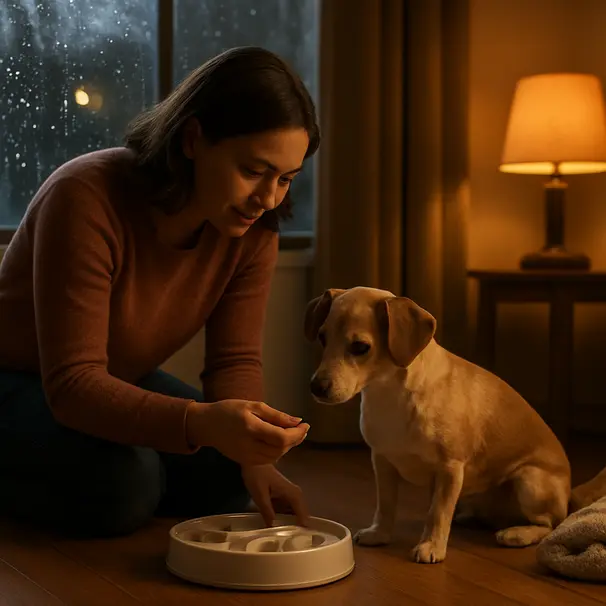
Most owners appreciate a quick check-in message. Carers commonly send a brief note or photo after each visit. This helps you see that food, water, and bathroom breaks happened, and it gives peace of mind. Agree on what kind of updates you want. Some owners prefer a single photo and a short summary, others want more detail.
Be open about how much access a carer has to your home. If you want them to only stay in certain rooms, say so. Clear boundaries keep everyone comfortable.
Handling medications and special needs
If your pet needs medication, write out exact instructions. Include dose, timing, and how to administer (pills, liquids, eyedrops). Ask the carer if they have experience giving meds. Most will be comfortable with common routines. For complex care, like injections or medical devices, consider a carer with clinical experience or schedule visits with a veterinary nurse.
Always mention allergies, anxiety triggers, or behavior concerns. A good carer will ask questions and confirm that they can safely care for your pet.
Safety and emergencies
A vetted carer will know basic first aid and emergency steps. Still, outline an emergency plan for your home. Include the nearest emergency vet, a contact who can make decisions if you’re unavailable, and any insurance or medical details.
Consider giving your carer permission to seek immediate veterinary care if needed. Discuss payment and approval procedures up front. Clear instructions avoid delays if something unexpected happens.
Pricing and booking tips
Costs vary by region and by the length of the visit. Expect to pay more for weekends, holidays, and last-minute bookings. Here are a few ways to save and make bookings easier:
- Book blocks of visits. Many carers offer discounted rates for recurring bookings.
- Combine tasks. If you need both a walk and a quick check-in, schedule a longer slot rather than two separate visits.
- Be flexible with timing. Midday visits can be slightly cheaper than peak-hour ones.
Always confirm cancellation and rescheduling policies. Life happens, and knowing rules ahead of time prevents awkward conversations.
Matching your pet to the right carer
Not every carer fits every pet. A few things to consider:
- Experience: Do they have experience with high-energy dogs, senior pets, or anxious cats?
- Special needs: Can they manage medication, mobility issues, or multi-pet dynamics?
- Personality: Some pets need a calm presence, others enjoy a playful person.
Ask for a meet-and-greet or trial visit. Watch how your pet reacts. A confident wag, relaxed body, or curiosity are signs of a good match. If your pet hides or shows signs of stress, try a different carer and observe changes.
Sample drop-in checklist for owners
- Keys or keypad code provided, with entry instructions.
- Feeding schedule, amounts, and location of food.
- Litter boxes, scooping directions, and location of accessories.
- Leash location, preferred walking route, and potty commands.
- Medication name, dose, method, and administration times.
- Emergency contacts: vet, preferred emergency clinic, backup human.
- Favorite toys and calming items.
- Permission to take photos, and preferred communication method.
Common questions from owners
Can drop-ins replace dog walking entirely?
They can for lower-energy dogs or when owners need occasional help, but many active dogs benefit from longer walks or play sessions. If your dog needs daily vigorous exercise, consider combining a drop-in with a longer midday walk or hiring a walker for certain days.
Are drop-ins safe for aggressive or reactive pets?
They can be, if you find a carer experienced with behavior issues. Be honest on the platform about your pet’s triggers and reactions. A skilled carer will accept the job only if they feel confident they can manage the pet safely.
What if my pet hides from the carer?
Give the carer time. Some pets warm up slowly. Leave high-value treats or a toy to encourage interaction. If hiding continues after a few visits, try a different carer who uses a gentler approach.
A few real-world tips from carers and owners
- Leave a written routine. Carers appreciate a single-page guide they can glance at.
- Label everything. Put food portions in labeled containers to avoid confusion.
- Keep a small packet of treats handy for introductions.
- Respect the carer’s time. If you ask for extra tasks, discuss whether additional fees apply.
Final thoughts
Drop-in visits are a practical, loving way to care for pets when life pulls you away. They keep routines steady, offer companionship, and help catch little problems before they become big ones. With clear instructions, good communication, and a thoughtful match, a drop-in carer can become part of your pet’s extended family.
If you’re thinking about a drop-in for the first time, start small. Arrange a meet-and-greet, prepare a simple guide, and pick a short visit to test the waters. You might find both you and your pet breathe a little easier knowing there’s a friendly face dropping by during the day.
Thank you for reading. If you have questions about preparing your home or want a sample owner checklist you can copy and paste, we’re happy to help. Happy pet parenting!