


What Questions Should I Ask Before Hiring a Dog Daycare?
Leaving your dog at a daycare is a big step. You want a place that keeps tails wagging, minds busy, and bodies safe. This guide helps you ask practical, friendly questions so you can find a daycare that fits your dog’s needs and your peace of mind.
Dogs and people both do best with clear expectations. Bring a calm curiosity and a few not-too-intimidating questions. A good daycare will welcome them and answer openly.
Why asking questions matters
A well-run daycare is about more than toys and outdoor time. The right questions reveal how the facility handles safety, behavior, enrichment, health and honest communication. They also help you spot red flags, like vague answers or pressure to sign quickly.
As you read, jot down the questions that matter most to you. Think about your dog’s age, energy level, medical needs and social temperament. That context will shape which answers feel reassuring.
Quick checklist to bring on your visit
- Proof of vaccinations and flea/tick prevention
- Emergency contact and vet information
- A short note about food, medications, and routines
- A calm attitude, and maybe a favorite treat to test staff comfort
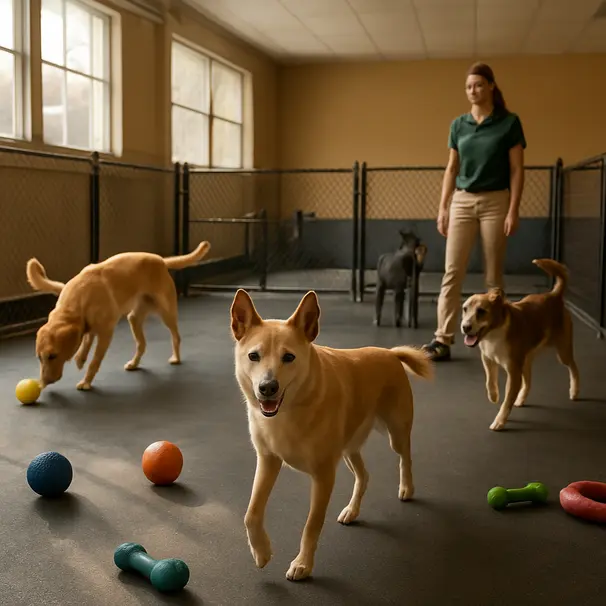
Safety and staff: first things to ask
- What are your vaccination requirements? Ask which vaccines they require and whether boosters are needed. Consider consulting your vet about any special vaccine needs your dog may have.
- How are dogs grouped during the day? Size, temperament, and play style matter. Small groups or supervised pairings can reduce stress and injuries.
- What is the staff-to-dog ratio? Lower ratios usually mean more supervision and quicker response to problems.
- What training or certifications do staff members hold? Look for first aid or canine behavior training, and ongoing education.
- Are background checks performed on staff? It’s reasonable to ask how they screen new hires.
- What’s your emergency plan? Ask about procedures for injuries, heat or cold emergencies, and transport to a vet.
- How do you introduce new dogs? A slow, calm introduction can help dogs settle and reduce conflicts.
Pay attention to how clearly and confidently staff answer. A strong facility will explain routines, staffing and emergency steps without hesitation.
Facility and environment questions
- Can I tour the indoor and outdoor spaces? Observe flooring, fencing, gates and how clean the areas look.
- Are play areas separated by activity level or size? Look for separate zones—quiet rest areas, active play sections and places for one-on-one time.
- How is waste handled and how often are areas cleaned? Regular, visible cleaning helps reduce disease spread.
- What enrichment do you provide? Enrichment can mean structured play, puzzle toys, scent games or training moments.
- What is your policy for inclement weather? Some daycares move activities indoors, others reduce group play. Know what happens on rainy or hot days.
- Where do dogs rest or nap? Comfortable, quiet spaces are important for recovery between play sessions.
A tour is one of the best tools you have. Watch how staff interact with dogs and whether dogs appear relaxed or stressed.
Health, hygiene and medical care
- How do you handle illness or injuries? Ask how they separate sick dogs and how quickly owners are notified.
- Do you require a vet health certificate? Some places ask for a recent check-up, especially for new dogs.
- What flea, tick, and parasite protocols do you have? Prevention helps protect every dog in care.
- Can you administer medications? Check how they handle dosing, storage and documentation.
- How often are bedding and toys washed or rotated? Clean bedding and sanitized toys reduce germ spread.
- What do you do about dogs with chronic conditions? Discuss how they manage allergies, diabetes or mobility issues, and whether staff are comfortable providing necessary care.
If your dog has medical needs, consider asking to meet with the manager and a primary caregiver to go through a care plan.

Daily routine and socialization
- What does a typical day look like? Ask for a schedule so you know how your dog’s time will be spent.
- How long are play sessions and how often are breaks given? Dogs need chance to rest and cool down between active play times.
- How do you monitor play to prevent escalation? Staff should be able to describe intervention methods for rough play or tension.
- Do you offer one-on-one walks or attention? Some dogs thrive with focused time outside of group play.
- How do you evaluate a dog’s temperament over time? Good programs reassess dogs periodically and adjust groupings.
Socialization can be a wonderful benefit, but it must be handled thoughtfully. If your dog is shy or reactive, ask how they’ll be supported and whether quieter options exist.
Food, treats and medications
- Do you provide meals or should I bring food? Confirm storage, labeling and feeding schedules.
- How do you manage feeding dogs in groups? Separate feeding areas help prevent resource guarding and stress.
- Can you accommodate special diets or allergies? Clear food labeling and strict procedures are important here.
- What is your medication protocol? Written records and double-checks reduce mistakes.
Bring pre-measured food and clear instructions for any meds. A small sealed container and labels with your dog’s name and dosage schedule are practical.
Communication and updates
- How will you communicate with me during the day? Many daycares offer photo updates, text check-ins or quick phone calls.
- How do you report incidents or injuries? Ask whether they call first and then follow up in writing, or vice versa.
- Can I meet my dog’s primary caregiver? A familiar face helps dogs settle and owners feel confident.
- Do you keep records of behavior, accidents or progress? Logs can help you see patterns and improvements.
Clear, predictable communication builds trust. If you want regular photos, ask how often they can realistically send them.
Policies, insurance and logistics
- What are your hours, and what happens if I’m late? Late pickup fees and grace periods vary.
- What is your cancellation and refund policy? Make sure it’s fair and clearly explained.
- Are you insured and bonded? Insurance can cover property damage and certain injuries.
- Do you require a deposit or recurring bookings? Know how reservations and waitlists work.
- Are there holiday closures or reduced services? Plan ahead for long weekends and major holidays.
Understanding these practicalities reduces stress later. If a policy seems unusually strict or confusing, ask for examples of how it’s applied.
Cost, trial days and what’s included
- What does day care cost and what’s included? Ask whether pricing covers playtime, walks, enrichment and naps.
- Are there extra fees for weekend care, holidays or special services? Extras can add up, so ask about every potential charge.
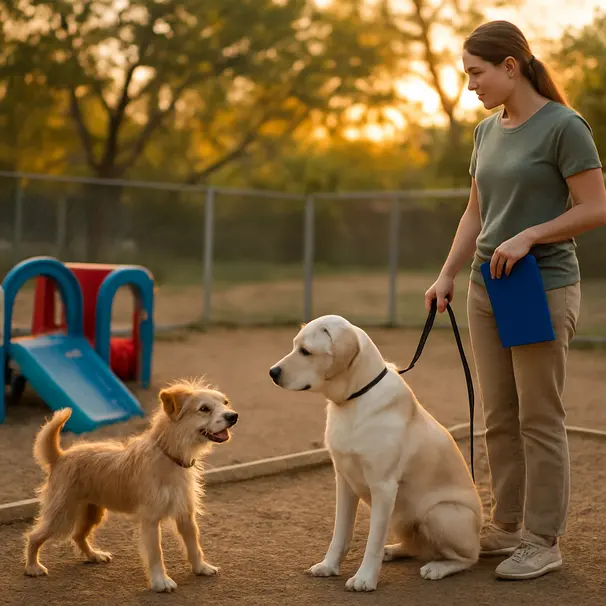
- Do you offer a trial day or assessment? A trial lets your dog meet the team and gives you a realistic view.
- What happens if my dog doesn’t do well during a trial? A caring facility will offer alternatives, like two shorter visits or private attention.
A trial day is worth its weight in peace of mind. Bring a short list of instructions and stay reachable during that first visit.
What to bring: a simple packing list
- Collar with ID and a sturdy leash
- Measured food in a sealed container, with feeding instructions
- Any medications, clearly labeled with dose and timings
- A familiar toy or blanket for comfort, if allowed
- Proof of vaccinations and emergency contact information
Label everything clearly. Many daycares appreciate a printed sheet with your dog’s routine and emergency contacts.
Red flags to watch for
- Vague or evasive answers to basic safety questions
- Dirty or poorly maintained play areas
- Staff who avoid answering about training or emergency procedures
- Dogs showing prolonged stress, fear or obvious injuries during your tour
- Unwillingness to provide references or allow a tour
Trust your instincts. If something feels off, it’s okay to walk away and keep looking.
Final thoughts and next steps
Finding the right daycare can transform your routine and give your dog healthy social time. Make a short list of any daycares you like, then visit each one, ask the questions that matter to you, and schedule a trial. Take notes after each visit so you can compare honestly.
If your dog has medical concerns, consider talking with your veterinarian before trying group play. A vet can help you understand risks and may recommend alternatives if needed.
You want a place where your dog is safe, happy and enriched. With this checklist, you’ll be ready to pick a daycare that fits your dog’s personality and your family’s needs. And remember, a great daycare will welcome your questions and show genuine care for every dog that walks through the door.
Helpful quick-question list to print
- Are vaccines and flea/tick prevention required? Which ones?
- What is your staff-to-dog ratio?
- How do you group dogs for play?
- What training or first-aid certifications do staff hold?
- What does a typical day look like?
- How are medical issues handled?
- Can you administer medications?
- What is your inclement weather policy?
- Do you offer trials and what happens afterward?
- What are your hours, fees and cancellation rules?
Good luck, and may your dog find a daycare that feels like a second home.