

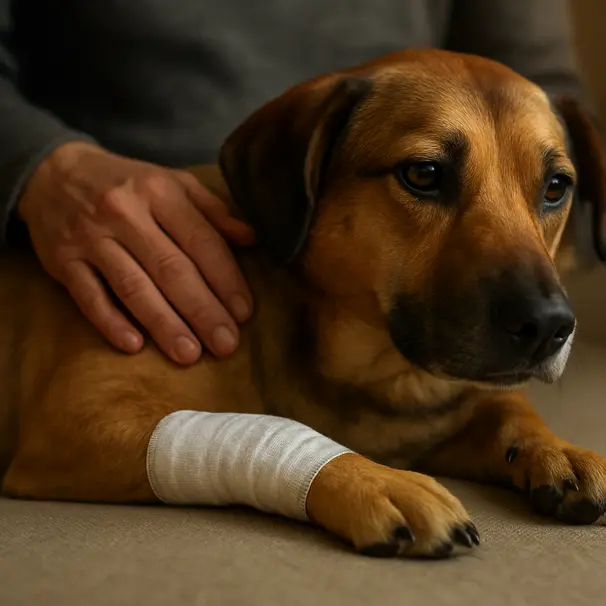
What to do after a dog bite
A dog bite is one of those sudden, upsetting moments that makes your heart race. Whether the bite happened to you, a family member, a friend, or someone you care for, quick and calm action helps both the person and the dog. This guide keeps things practical and humane. It covers immediate steps, how to assess severity, when to call a professional, reporting and legal considerations for pet carers, and tips to help prevent future incidents.
First moments: stay calm and keep everyone safe
The first minute matters. Panic can escalate the situation for both the person and the dog. Try these steps:
- Make sure the bite victim and any bystanders are out of reach of the dog.
- If the dog is still nearby, secure it in a calm, safe place. Use a leash, crate, or another room. If you need help, ask another adult to assist.
- Encourage the bite victim to stay still and breathe slowly. Moving rapidly can worsen bleeding and increase stress.
Even if it feels dramatic, staying composed helps you think clearly and reassure the person who was bitten. Dogs often mirror human emotion, so your calm can also calm the dog.
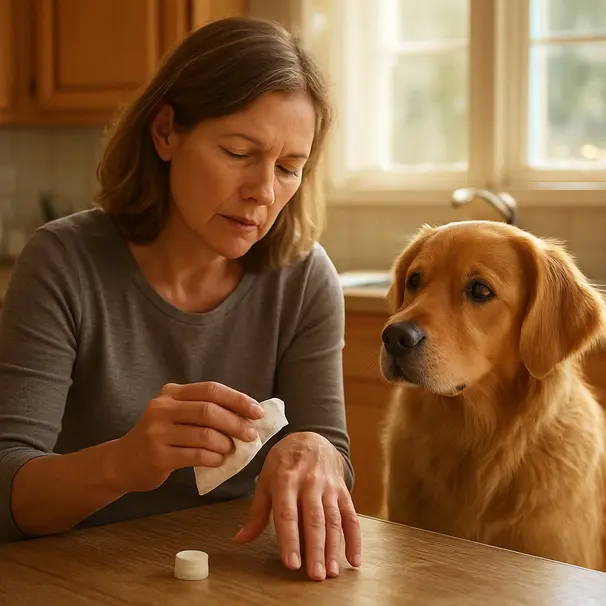
Assess the wound gently
Take a quick look at the injury without poking or prodding.
- Minor wounds: small punctures, light bleeding, or superficial scratches may be manageable at home with careful cleaning.
- Major wounds: deep punctures, heavy bleeding, torn tissue, bites to the face, hands, or joints, or wounds exposing muscle or bone need urgent medical attention.
- Signs of infection: increasing pain, redness, warmth, swelling, pus, or fever over the following hours or days.
If you feel unsure about severity, consider the safer route and seek professional care. It’s better to have a clinician reassure you than to regret waiting.
First aid steps you can consider
These are practical, gentle things that can help until you reach a clinic. Use them as common-sense measures rather than medical prescriptions.
- Wash hands and put on gloves if available.
- If the wound is bleeding, apply gentle pressure with a clean cloth or sterile gauze.
- Rinse the wound with clean water for several minutes to remove dirt and saliva. Avoid scrubbing vigorously.
- Clean around the wound with mild soap. The wound itself can be rinsed rather than scrubbed.
- Apply a sterile dressing or bandage. Keep the area covered and clean.
- Avoid home remedies like butter, ointments meant for different uses, or other unproven treatments. These may trap bacteria.
- For pain, consider over-the-counter pain relief if appropriate for the person. Follow dosing guidance and consult a health professional if unsure.
Remember, these actions can help reduce immediate risk, but they do not replace evaluation by a healthcare professional when needed.
When to seek medical care for the person who was bitten
Seek urgent medical attention if any of these apply:
- The bite is deep, heavily bleeding, or the skin is torn.
- The wound is on the face, neck, hands, feet, or near joints.
- You see signs of infection, or the wound was caused by a wild or unknown animal.
- The bite victim has health conditions like diabetes, a weakened immune system, or poor circulation.
- The person hasn’t had a tetanus shot in the last 5 to 10 years, or vaccination history is unknown.
If you’re unsure, call a healthcare provider or urgent care for advice. They can help decide whether stitches, antibiotics, a tetanus booster, or other treatment is needed.
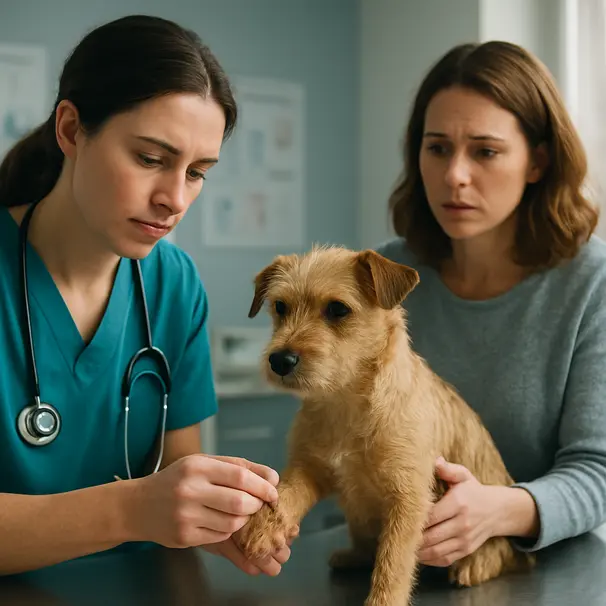
Considering rabies and animal health
Rabies is rare in many places, but it’s important to know the local risk. You should:
- Try to confirm the dog’s vaccination status, especially rabies shots.
- If the dog is unknown, stray, or acting strangely, inform local public health services. They may suggest observation, testing, or post-exposure prophylaxis.
- For pet carers, keep vaccination records handy. For owners, sharing accurate information with medical staff can prevent unnecessary worry.
If a health professional recommends rabies post-exposure treatment, follow their guidance promptly. Timely action is important for safety.
When to contact a veterinarian
If the dog was injured during the incident, or if the dog seems unusually stressed, hurt, or behaving strangely, consider contacting a vet. Signs a dog may need attention include:
- Lameness, visible wounds, blood, or unusual swelling.
- Lethargy, loss of appetite, or vomiting after the event.
- Sudden changes in behavior such as increased fear, hiding, or aggression.
A vet can assess for injuries, check vaccination status, and advise on managing stress or physical trauma. For carers, documenting the dog’s condition and care taken is useful for later conversations.
Reporting and legal steps for owners and carers
Rules differ by location, but there are a few common steps that help protect everyone involved:
- Exchange contact details and vaccination information with the bite victim.
- Report the incident to local animal control or public health if required. Some jurisdictions require reporting dog bites, especially if the dog’s vaccination status is unknown.
- If you’re a pet carer working through a service, inform the pet owner and the platform or agency promptly. Transparency matters.
- Keep records: photos of the wound, the scene, witness names, and dates and times. These can be helpful for medical or legal follow-up.
Being cooperative and honest usually speeds resolution and reduces stress for everyone.
Emotional care for people and dogs
A bite affects feelings as much as bodies. People might feel shaken, guilty, or afraid of dogs afterward. Dogs also feel something; they may be stressed after an incident.
For the person who was bitten:
- Offer calm reassurance. A warm drink and sitting quietly can help.
- Encourage gentleness with the injured area, and seek professional support if anxiety or fear lingers.
For the dog:
- Avoid punishment. Dogs that bite are often scared, in pain, or misread a situation.
- Provide a quiet, safe space and a period of low stimulation.
- Consider consulting a qualified dog behaviorist or trainer who uses positive, force-free methods. They can help identify triggers and rebuild trust.
This is a chance to practice empathy for both humans and animals. A soft approach helps healing.
Preventing future bites: practical tips
Prevention is about reading signals, management, and training. Try these habits:
- Learn dog body language and teach carers and family members basic cues.
- Supervise interactions between dogs and children closely. Teach children how to approach and pet a dog safely.
- Manage resources like food, toys, and beds to reduce guarding behavior.
- Maintain regular socialization and positive handling from puppyhood onward.
- Use professional help early. If a dog shows concerning behaviors, a qualified trainer can help before an incident occurs.
Consistency across family members and carers matters. Everyone following the same rules helps dogs feel secure.
Insurance, reimbursement, and carers’ responsibilities
If you’re a pet carer working for someone else, it’s helpful to know the agreement details:
- Check whether your platform or employer carries liability insurance for incidents.
- Understand your responsibilities for reporting, documentation, and communication after an incident.
- If a client’s dog bites someone, discuss next steps openly. Offer to assist with collecting records and providing witness statements if appropriate.
Open communication and clear paperwork help protect pet carers and owners alike.
Aftercare and follow-up checklist
Here’s a short checklist to keep handy after a bite incident:
- Confirm the injured person has sought appropriate medical care.
- Exchange contact and vaccination details with the bite victim.
- Report to local authority if required.
- Document the scene: photos, witness names, and a brief timeline.
- Observe the dog for any physical or behavioral changes, and contact your vet if concerned.
- Consider behavior support for the dog to reduce future risk.
- Follow up with the bite victim and offer support or updates about steps taken.
Final thoughts
Dog bites are stressful, but thoughtful action helps. Quick, calm first aid, clear communication, and gentle attention for the dog can make a big difference. If you are a pet carer, remember your role in safety: prevention, honest reporting, and cooperation are invaluable. And if emotions are high, allow time for healing. With care and a little planning, many families and dogs recover from these incidents and go on to safer, happier lives together.
If you’re ever unsure about a wound or a dog’s behavior, consider contacting a healthcare professional or a veterinarian. They can help you make the safest choices for both people and pets.