

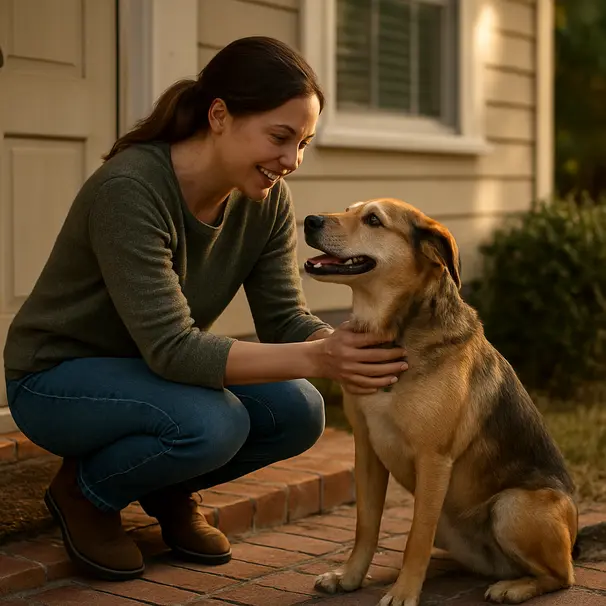
What is a dog drop-in visit?
A dog drop-in visit is a short, focused check-in from a trusted pet carer. It usually lasts 15 to 45 minutes, and can include letting your dog out, giving food or treats, a short play or cuddle session, and fresh water. Drop-ins are great for pets that don’t need long walks or overnight care, but do benefit from attention and routine during the day.
Before the visit: how to prepare
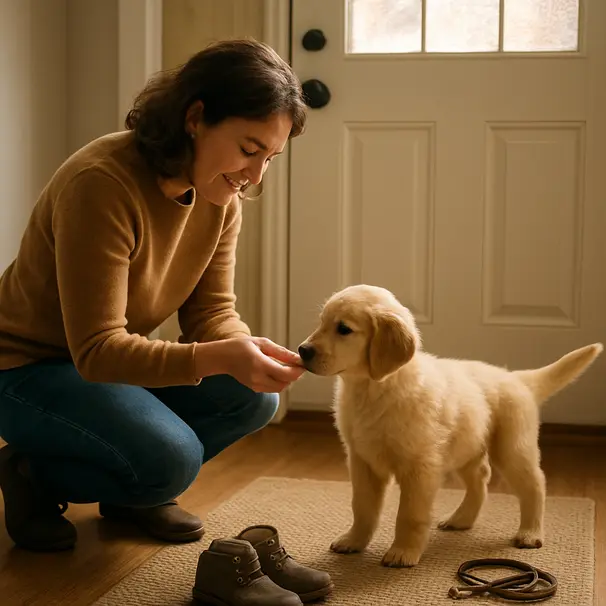
Preparation makes a drop-in visit calm and efficient. A little setup on your part can make your dog happier and give the carer everything they need to do a great job.
- Leave clear instructions. Write a short note or fill in the carer platform fields with feeding times, portion sizes, medication instructions if any, and your dog’s bathroom routine.
- Point out the essentials. Tell the carer where the food, treats, leash, poop bags, and cleaning supplies live. Label things if that helps.
- Secure the environment. Close gates, put up baby gates if you use them, and make sure hazardous items are out of reach. If your dog has free access to certain rooms, note that too.
- Share emergency contacts. Include your cell, a local emergency contact, and your vet’s phone. Add your home address and any alarm codes the carer will need.
- Consider a trial drop-in. If your dog is anxious with new people, a short introductory visit while you’re home can help the dog and carer get comfortable with each other.
What happens when the carer arrives
A good carer will arrive on time, greet you briefly, and follow your instructions. If you aren’t home, they’ll use the entry method you’ve agreed on, like a lockbox, key exchange, or smart door access.
Typical arrival steps:
- Quiet entrance: Most carers try to be calm and quiet at the door to avoid startling your dog.
- First impressions: The carer will typically pause for a sniff greeting, or let the dog come to them. For nervous dogs, they might sit down and offer a soft voice and a hand to sniff.
- Quick scan: They’ll do a fast visual check of your dog for any obvious issues like limping, cuts, or distress. If anything unusual is noticed, they should notify you immediately.
Activities during the visit
Drop-in visits are tailored to your dog’s needs, but these are common tasks:
- Potty break: Letting the dog out in the yard or on a short leash walk. Carers pick up after the dog and secure gates.
- Feeding: Preparing and serving meals or treats exactly as you’ve instructed.
- Fresh water: Replacing or topping up water bowls.
- Short play or cuddle time: A focused 10–20 minute interaction to keep your dog company and mentally stimulated.
- Basic training reinforcement: Carers can practice commands you’ve requested, like sit, stay, or leave it.
- Quick tidying: Wiping paws, brushing off dirt, or dealing with a small mess if needed.
Drop-in visits are not usually long enough for a proper long walk, but that can be added if booked and if the carer is comfortable and your dog’s behavior allows it.
Handling different dog temperaments
Every dog is unique. A skilled carer will adapt to your dog’s energy and comfort level. Here’s what you can expect depending on temperament:
- Shy or nervous dogs: The carer will move slowly, avoid looming over the dog, and use treats to build positive associations. They may sit down at dog level and let the dog approach.
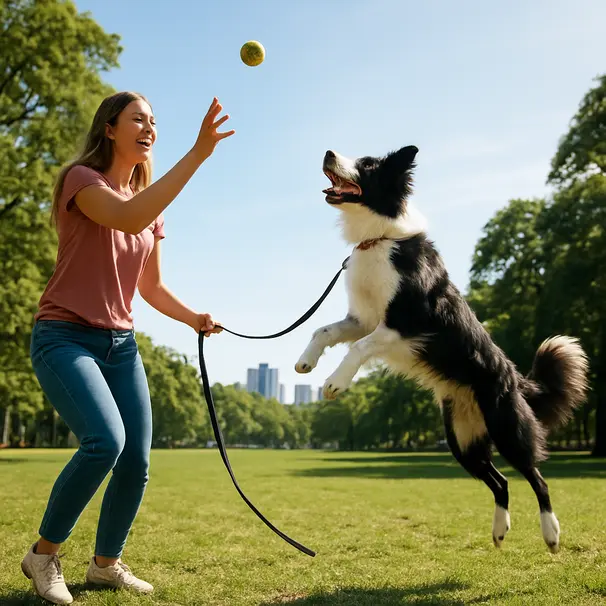
- Energetic or excitable dogs: A short, controlled play session or fetch can help burn off energy. Carers may use toys you provide and encourage calm behavior before leaving.
- Resource-guarding dogs: Carers experienced with guarding behavior will avoid confrontations, keep a safe distance while offering treats, and follow any owner-supplied protocols.
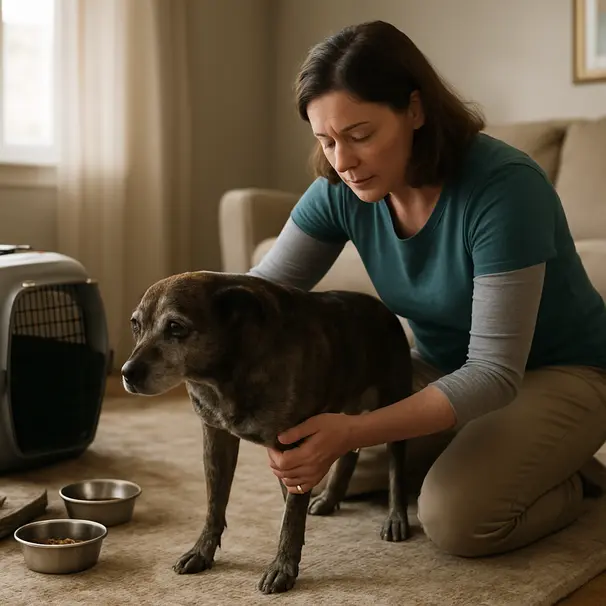
- Senior or mobility-challenged dogs: Expect gentler handling, slower movements, and possible assistance with stairs, ramps, or helping the dog outside.
If your dog has behavioral challenges, be upfront about them. Clear information helps the carer keep everyone safe and comfortable.
Safety and health checks
Good carers make safety a priority. They should be aware of basic first aid steps, know where to find medical supplies, and have a plan for emergencies.
- Immediate concerns: If the carer notices bleeding, difficulty breathing, or other serious signs, they should contact you and your vet immediately.
- Minor issues: For cuts, limping, or mild vomiting, carers may clean a wound or keep your dog calm, then inform you with a photo and next steps.
- Medication: If your dog needs medicine during a drop-in, provide clear dosing instructions and show the carer how to give it. Carers may ask for written confirmation that you authorize administration.
Remember to suggest your vet if there’s any uncertainty. Carers can help, but they’re not a replacement for professional veterinary care.
Communication and updates
Most pet owners appreciate a short update after every drop-in. A good carer will send a quick message or app update with details such as:
- Time of visit and duration
- Bathroom breaks and what they looked like
- Food and water given, including amounts
- A short note on mood or behavior, for example playful, anxious, or resting
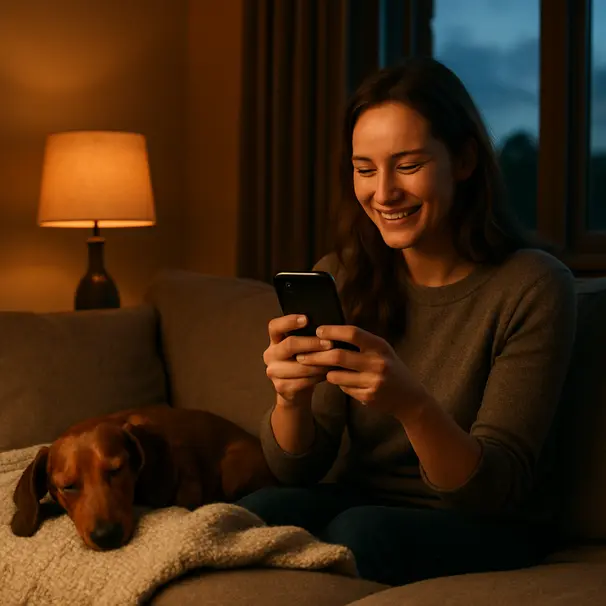
- One or two photos to show the dog’s condition and reassure you
Photos are especially soothing for owners. Carers should ask permission before posting in public or sharing on social media.
What to expect if something goes wrong
No one likes to imagine problems, but being prepared reduces stress.
- Lost key or lockout: Have a backup entry plan, like a neighbor key or hidden spare. Share that plan with the carer.
- Escapes: If your dog slips out, the carer should prioritize safety, secure the dog as quickly as possible, and contact you. Provide a current photo and description of your dog on file.
- Medical emergency: The carer should contact you, then your vet or emergency clinic. Make sure your vet’s number and the nearest emergency clinic are listed clearly.
Clear expectations ahead of time about who covers veterinary costs can avoid awkward conversations later. Most platforms and carers will outline their emergency procedures in advance.
Practical tips for owners
A few small habits can make drop-ins smoother and keep your dog more relaxed:
- Keep a consistent routine. Dogs thrive on predictability. If you can keep feeding and potty times consistent, carers can follow that rhythm.
- Pre-pack a care kit. Include food, daily meds in labeled containers, a towel, poop bags, leash, and a favorite toy.
- Update instructions seasonally. Summer hydration needs and winter paw care can change quickly, so refresh notes when necessary.
- Leave calming items. A worn T-shirt with your scent, a favorite blanket, or a treat-dispensing toy can comfort your dog.
- Be realistic about expectations. A 20-minute visit won’t replace long socialization or exercise, but it can prevent loneliness and break up the day.
Advice for carers: building trust and consistency
If you’re a carer, these habits help you deliver exceptional visits and build long-term relationships:
- Arrive on time and communicate delays. Punctuality matters to owners and dogs.
- Follow the owner’s rules. Stick to the food amounts, walking rules, and behavioral guidance provided.
- Leave a short note. Even a sentence about how the dog did helps owners feel connected.
- Use positive reinforcement. Reward calm behavior and avoid heavy-handed corrections without permission.
- Keep boundaries. If you encounter unsafe conditions at a home, report them to the owner professionally and suggest solutions.
Special situations: puppies, seniors, and medical needs
Puppies need more frequent potty breaks and short, supervised play. Carers should be patient with training slips and focus on positive reinforcement.
Seniors may need extra help with stairs, softer bedding, and slower, quieter interactions. Note any arthritis, incontinence, or mobility aids the dog uses.
For dogs with medical needs, leave very clear written instructions and, if possible, show the carer how to administer treatments. Consider a short practice session so everyone feels confident.
Whenever health is a concern, encourage owners to consult their vet. Carers can follow directions, but vets are the medical authority.
Wrapping up: confidence for owners, care for dogs
A drop-in visit is a simple way to break up your dog’s day with attention, bathroom breaks, and reassurance. With honest communication, a little preparation, and a thoughtful carer, these visits become predictable and comforting parts of your pet’s routine.
If you’re new to drop-ins, start with a meet-and-greet. That bit of time helps you see how your dog responds, and it gives the carer a chance to learn your dog’s personality and needs. Over time, trust builds, and both you and your dog will feel more relaxed about time away.
At the end of the day, the best visits are calm, clear, and full of small kindnesses: a gentle hello, a secure backyard door, a favorite toy, and a photo that makes you smile. Those little things add up to big comfort for both pets and owners.