

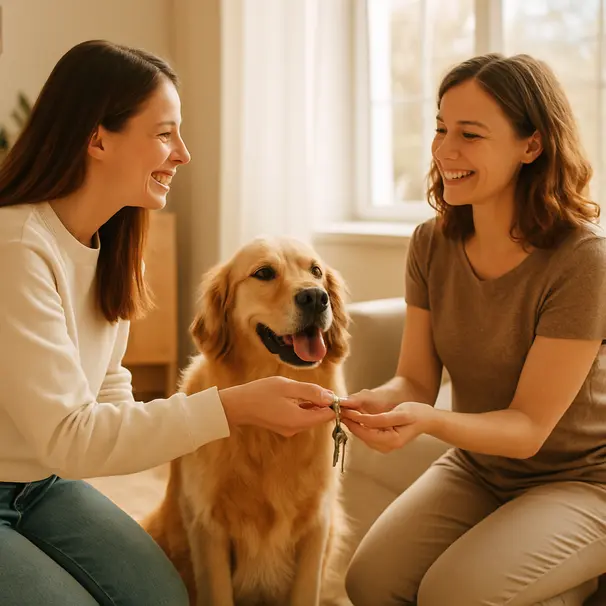
A warm handover: why clear instructions matter
Leaving your dog in someone else’s care can stir up a mix of relief and worry. A thoughtful, organised handover gives your sitter confidence and your dog consistency. That calm translates into a better stay, fewer surprises, and happier tails when you return.
Start by imagining the sitter as a temporary teammate. You’re not handing off ownership, you’re sharing the playbook. The more practical and specific you are, the easier it is for both of them.
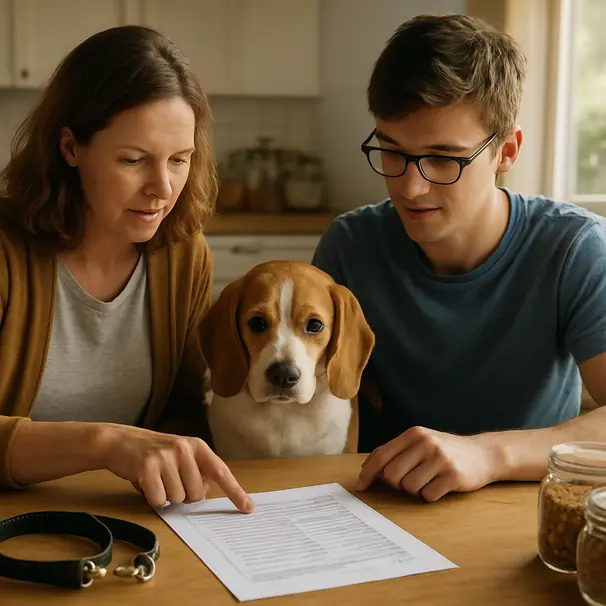
Essentials to share right away
Tell your sitter these basics the moment you meet, or include them in a clear printed note.
- Contact info: your mobile, a backup contact (family member or friend), and the sitter’s emergency phone number.
- Home address and any access instructions: locks, alarm codes, gate details, spare keys or keypad instructions.
- Vet details: clinic name, address, phone number, and preferred emergency clinic if different.
- Medical info: medications, doses, times, and the method you use to give them. Mention allergies and any conditions to monitor.
- ID and microchip info: tag details and microchip company if known.
Short and clear beats long and vague. If you have a packet, label sections and use bold headings so sitters can find what they need fast.
Daily routine: the real secret
Dogs thrive on routine. A sitter who follows your normal rhythm will help your dog stay settled.
Describe the daily flow:
- Feeding schedule, portion sizes, and exactly where food and treats are stored.
- Walk times, typical route, and how long walks usually last.
- Playtime habits: favourite games, tug rules, fetch boundaries.
- Crate or bed routines: whether crate training is used, and for how long your dog is used to being crated.
- Bathroom cues: does your dog signal when they need a toilet break, or do they go out on a schedule?
Include small details that matter. For example, if your dog eats slowly and needs a raised bowl, say so. If they usually get a 10-minute sniff-walk before a brisk one, write it down.
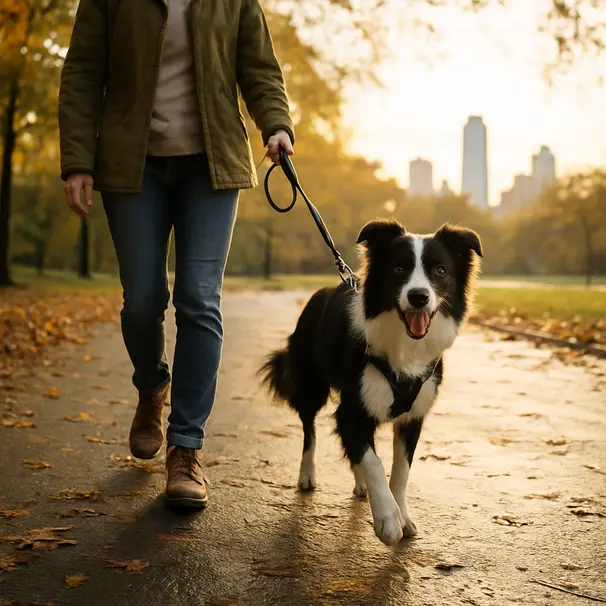
Temperament and behaviour notes
Every dog has quirks. Tell the sitter about the ones that change how the sitter should act.
- Stranger reactivity, leash pulling, or fear of sudden noises.
- Dog-to-dog greetings: does your dog prefer distance, a slow sniff, or no greeting at all?
- Resource guarding: mention if they guard toys, food, or space and what calm strategies you use.
- Separation cues: your dog may pace, bark, or spin when left alone. Share what helps calm them: a long chew, music, or leaving a shirt with your scent.
- Training cues: list the commands your dog knows and any hand signals you use. This keeps the messaging consistent.
If there are behaviours the sitter should avoid encouraging, say so kindly. For example, “Please don’t pick my dog up when anxious, it seems to make them more stressed.” Small boundaries prevent big setbacks.
Health and medication: be precise and practical
Medications can make sitters nervous. Make the task as simple as possible.
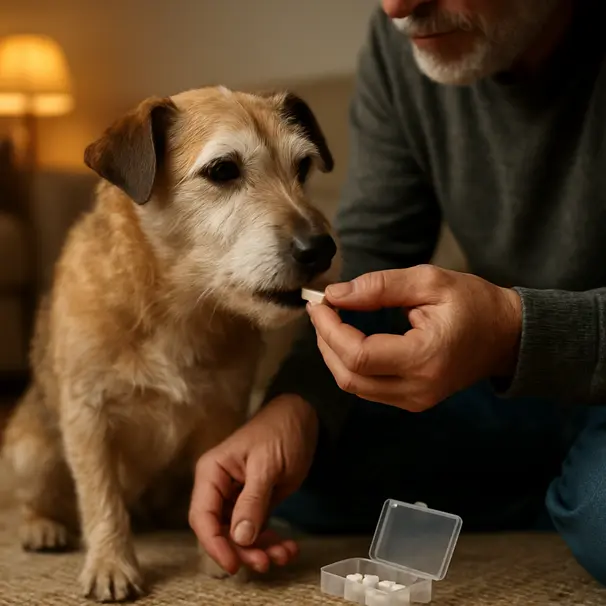
- Provide pre-filled pill containers, labeled syringes, or doses in small labeled bags.
- Write the medication name, dose, time, and purpose. If a medication should be given with food, highlight that.
- Demonstrate how you give the medication if it’s tricky. Record a short video on your phone and share it if that feels easier.
- Mention subtle signs that mean a vet visit may be needed, and whether you prefer your sitter to call you first or take immediate action.
Use language like “consider” and “may” when discussing symptoms. Encourage sitters to consult the vet if anything seems off.
Emergencies and planning ahead
Even with the best planning, things happen. A clear emergency plan reduces panic.
- Name a local emergency vet and specify their hours. If your dog has a preferred clinic, include directions and parking tips.
- Provide permission to seek urgent care: some owners sign a simple note giving temporary permission for necessary treatment. Check with your vet about wording.
- Share your pet insurance details if you have them.
- Discuss a spending limit for emergency care before contacting you, and what to do beyond that limit.
Make sure the sitter knows where to find the first aid kit, any favourite recovery treats, and a towel or blanket for transporting your dog.
Feeding and treats: clarity matters
Food can be deceptively confusing. A few specifics will prevent stomach upsets.
- Exact brand and formula, how much per meal, and how you measure portions. If you use cups or scoops, include them.
- Treat rules: do you use treats for training only, or are small daily treats okay? Mention any forbidden foods.
- Leftovers and table scraps: if you never allow them, make that clear.
- Water access: is fresh water left out, or refilled at certain times?
If your dog is on a special diet, show where to find the food and any supplements. Avoid last-minute swaps.
Walks, gear, and safety
Explain the gear and expectations for walks. Safety is top priority.
- Collar vs harness: which do you prefer and why. Include fitting cues if the collar is snug.
- Leash rules: extendable leashes or fixed leashes? If your area has leash-law nuances, mention them.
- Local hazards: busy roads, wildlife, aggressive dogs in parks, or seasonal risks like hot pavements.
- Weather considerations: if it’s very hot, plan shorter walks or go earlier. If rainy, your dog’s tolerance may change.
If your dog has a recall issue, recommend a fenced area or a short leash. Sitter confidence with equipment reduces stress.
Comfort and enrichment when you’re away
A tired dog is a calm dog. Share enrichment ideas that keep your dog happily occupied.
- Favourite toys and how to rotate them. Note anything that tends to be destroyed quickly.
- Puzzle feeders or stuffed Kongs and instructions for stuffing them safely.
- Calming tools: white noise, classical music playlists, or pheromone diffusers your dog likes.
- Quiet time routine: a short massage, a brief grooming session, or a cuddle routine to help your dog wind down.
Leave the sitter a small bag of treats and a note suggesting when to use them. Positive reinforcement for calm behaviour helps maintain good habits.
House rules and boundaries
Clarify what areas are off-limits and any household routines the sitter should respect.
- Doors and rooms: is the bedroom off-limits, or is there a gate to use?
- Furniture rules: allowed on the couch, never on the bed, or only with a blanket.
- Trash and recycling: where bins go and whether your dog is a counter-surfer.
- Plants and small items: point out anything toxic or breakable.
A little house tour can prevent accidental mistakes and give the sitter confidence to manage the space.
Communication: how often and what to send
Agree on a check-in plan before you go. Some owners want a daily photo, others prefer an evening update.
- Set expectations: morning and evening messages, photos after a walk, or only messages for issues.
- Preferred apps: text, Floofy messages, or a quick call. Choose what fits both your schedules.
- Emergency escalation: make it clear when to call versus text.
A quick photo or short video can reassure you, and it helps the sitter build trust by showing they’re attentive.
Final walkthrough and little comforts
Before you leave, do a final walkthrough with the sitter.
- Point out food, treats, medication, and keys.
- Show how lights and thermostats work, and where to find spare leashes and towels.
- Leave a small comfort item with your scent, like a worn T-shirt, to ease separation.
- Share one short story about your dog: it helps the sitter connect emotionally and remember the dog’s personality.
Small extras that make a big difference
A few thoughtful touches can improve the sitter experience and your dog’s stay.
- A printed checklist on the fridge with emergency numbers and a simple daily plan.
- Spare cash for takeout or parking, labeled and placed where the sitter will find it.
- A list of trusted neighbours who can help if needed.
When you return, ask your sitter what went well and what could be improved. That feedback loop helps future sitters and creates a smoother relationship.
Parting words to your dog
Saying goodbye is part ritual and part reassurance. Keep it calm and brief, because long emotional goodbyes can heighten anxiety for some dogs.
Offer one last walk, give a favourite treat, and a brief hug if your dog enjoys it. Then hand over the playbook to your sitter with a smile. You’ll come back to the same love and routines you left, helped by some good communication.
Happy travels and happy tails. A little preparation goes a long way toward a stress-free sit and a joyful reunion.