

Why cats fight and why it matters
Cats are social creatures with their own rules. When those rules get muddled, misunderstandings happen. Fights can start over territory, resources, redirected frustration, or simple miscommunication. For pet owners and carers, understanding the reasons behind aggression is the first step toward calmer homes and safer visits.
In this guide you’ll find practical, gentle strategies to prevent fights, simple steps to intervene safely, and advice on long-term solutions. If a cat is injured or suddenly aggressive, consider reaching out to a vet or qualified behaviourist for personalised help.
Common causes of cat fights
Recognising the root cause helps you choose the right solution. Here are the common triggers.
Territory and social rank
Cats mark and defend space. In multi-cat households, a newcomer or a change in the home can upset the hierarchy. If one cat feels its safe zone is threatened, it may lash out to reassert control.
Resources and competition
Limited litter boxes, food bowls or sleeping spots can spark conflict. Even if you think you have enough resources, subtle competition can build over weeks.
Redirected aggression
A cat may be provoked by something it can’t reach — a bird outside or a neighbour’s cat — and redirect the frustration toward the nearest cat or human.
Fear, pain or illness
A sick or injured cat may become defensive and snap. Changes in behaviour deserve a vet check, especially if the aggression is sudden or paired with other signs like hiding or reduced appetite.
Play that turns serious
Kittens and young adults often play rough. What begins as chasing and pouncing can escalate when one cat becomes overstimulated or someone doesn’t want to continue.
Stress and routine changes
New people, renovations, loud noises, or a move can raise tension. Cats are sensitive to small changes and may react by becoming less tolerant of companions.
Spotting the difference: play vs real fighting
It’s important to tell playful roughhousing from true aggression.
- Play: loose bodies, role reversals, quick pauses, no deep bites, and cats will groom each other afterward.
- Fighting: stiff bodies, pinned ears, growling, hissing, repeated short chases, deep bites, and sustained aggression with no break.
If in doubt, separate them calmly and observe from a distance. Better safe than sorry.
How to safely break up a fight
Never use your hands to intervene. Cats in the moment can bite or scratch. Try these safer techniques.
- Make a loud noise: clap, bang a book, or shake a jar with coins to startle them apart. Avoid shouting directly at the cats as that may increase panic.
- Use a soft barrier: slide a stiff piece of cardboard, a blanket or a laundry basket between them to create space.
- Distract with water: a gentle spray from a water bottle may interrupt the escalation. Some cats hate water more than noise.
- Toss a toy or treat away from the fray: redirect their attention to a positive target.
- If you must separate physically, cover each cat with a towel first and pick them up gently, one at a time; carry them to separate rooms.
After separation, allow them to calm down in quiet rooms for at least 30–60 minutes. Avoid reintroducing too quickly; emotions take time to cool.

Immediate aftercare and checking for injuries
Once they’re apart and calm, check for injuries without forcing interaction. Signs that need a vet visit include deep puncture wounds, continuous bleeding, limping, swelling, or if a cat becomes lethargic or stops eating.
If a fight involved significant biting, infections can develop quickly. Consider calling your vet for advice; prompt attention may prevent complications.
Setting up a peaceful environment
Prevention matters. Small environmental changes can reduce competition and lower stress.
- Resources: Provide one litter box per cat, plus one extra. Spread them across the home. Offer multiple feeding stations and water bowls.
- Vertical space: Add shelves, cat trees and window perches so cats can avoid each other and claim their own territories.
- Hiding spots: Cardboard boxes, covered beds and tunnels give nervous cats escape routes.
- Play and enrichment: Regular play sessions help burn off excess energy and reduce confrontation. Puzzle feeders and food-dispensing toys can distract and occupy curious minds.
- Consistent routine: Feed, play and clean at predictable times to create a sense of security.
- Pheromone diffusers: Synthetic cat pheromones may help some cats relax. Consider them as one of several supportive tools.
Introducing new cats the smart way
Rushing introductions is a top reason for fights. A slow, staged approach gives cats time to adjust.
- Start with scent: swap bedding or rub a towel on each cat and place it with the other to exchange scents.
- Separate spaces: keep the newcomer in a separate room with food, litter and toys for several days.
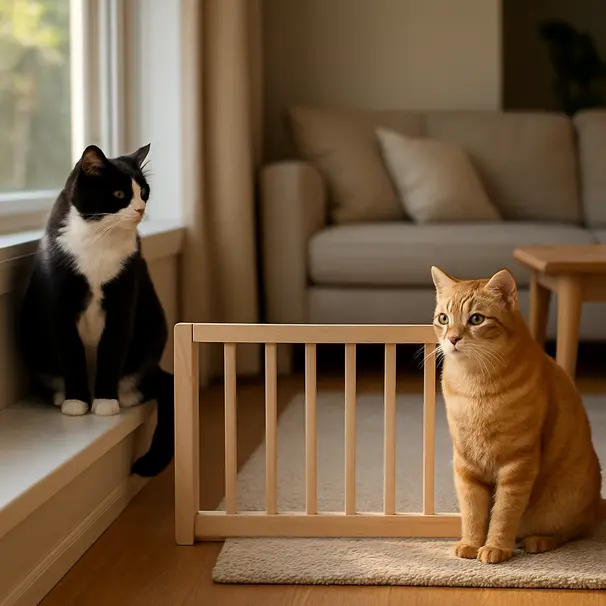
- Sensory exposure: allow brief sessions of visual contact through a baby gate or cracked door, paired with treats on each side.
- Supervised visits: once both cats show relaxed body language, allow short supervised interactions, gradually increasing time.
- Positive association: feed both cats on opposite sides of a closed door, then in sight of each other, so they link the other cat with good things.
Patience pays off. Some pairs click quickly, others need weeks to months.
Behavioural strategies to reduce tension
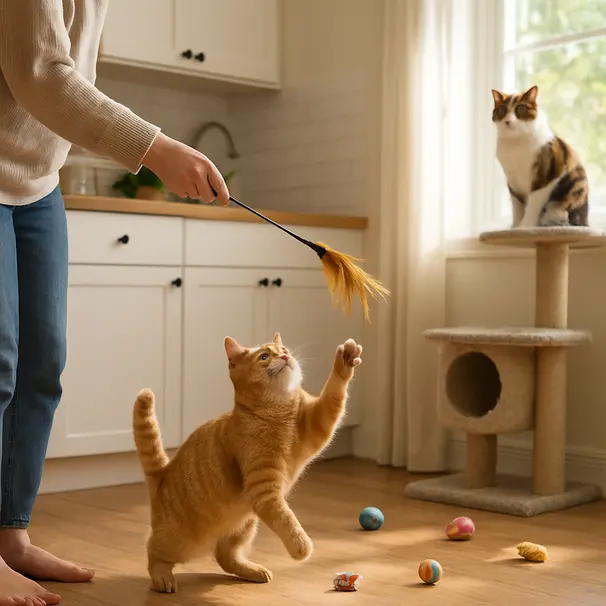
- Redirected play: Use interactive wand toys to channel chasing instincts away from each other.
- Reward calm: Reinforce relaxed behaviour with treats and praise, rather than punishing flare-ups.
- Scheduled playtimes: Short daily sessions in the evening can reduce pent-up energy that might otherwise erupt into fights.
- Clicker training and positive reinforcement: Teach simple cues like “sit” or “come” so you can break tension with a familiar command and reward.
If aggression persists despite consistent management, consider consulting a certified cat behaviourist for tailored training plans.
What to do after a serious fight
If a fight becomes a recurring pattern, treat the home as if you were starting an introduction from scratch. Temporarily separate cats, rerun scent-based introductions, and increase environmental resources.
Keep detailed notes on triggers, times of day, and body language leading up to fights. This record helps behaviourists and vets pinpoint causes and solutions.
When to call a professional
Consider veterinary or behaviourist help if:
- Aggression starts suddenly or a previously calm cat becomes aggressive.
- Injuries occur during fights.
- Fights happen frequently despite prevention steps.
- Stress signs increase, such as loss of appetite, excessive hiding, or changes in litter box habits.
A vet can rule out pain or medical causes. A certified feline behaviourist can create a long-term plan that may include desensitisation, counter-conditioning and environmental restructuring.
Tips for Floofy carers and pet sitters
As a carer, you play a big role in maintaining harmony.
- Learn the household routine and stick to it.
- Ask owners about known triggers and previous conflict history.
- Keep a log of interactions, feeding times and any unusual behaviour to share with owners.
- Use the same calm techniques the household prefers for separating cats.
- Never assume cats will behave the same way with a stranger; move slowly and let cats choose interaction levels.
If a confrontation happens during a visit, prioritise safety: separate cats, check for injuries, follow owner instructions, and communicate clearly through the Floofy platform about what occurred.

Quick checklist: preventing fights in your home
- One litter box per cat, plus one extra.
- Multiple feeding and water stations.
- Vertical escape routes and cozy hideaways.
- Daily play sessions focused on chasing and hunting simulation.
- Slow, scent-based introductions for new cats.
- Record-keeping of incidents and triggers.
- Vet check for sudden aggression or signs of pain.
Real-life example: slow introductions saved the day
A two-cat household on our platform struggled after bringing home a rescue. The resident cat started hissing and blocking the hallway. The owner separated them and began scent swapping, paired feedings across a door, and 10-minute supervised sessions each day. Over six weeks the cats learned to eat near each other, and the hallway blockades disappeared. Patience, structure and consistent positive associations turned a tense start into eventual tolerance.
Final thoughts
Fights are distressing, but most can be reduced with calm intervention, smart management and a little patience. Small changes to the environment, predictable routines and thoughtful introductions go a long way. If injuries or ongoing aggression appear, consider a vet or behaviourist to keep everyone safe.
At Floofy we know how much your peace of mind matters. Use these tools, keep notes, and reach out when things feel beyond your comfort zone. A calmer home for cats often comes from steady, gentle work and good communication between owners and carers.