

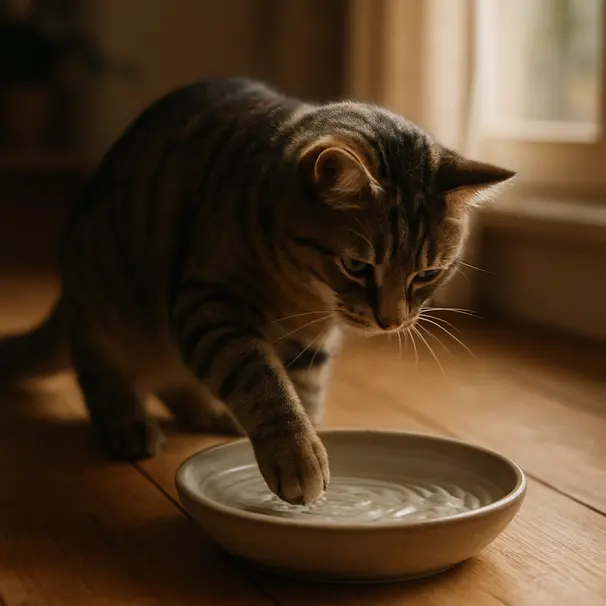
Why some cats recoil from water, and what you can do about it
Cats and water have a complicated relationship. Some cats will bat a paw in a puddle, others will happily drink from a dripping tap, and a very few will let you dunk them in a sink. Most cats, though, seem to prefer dry fur and land-based adventures. This article walks through five key reasons cats often hate water. I’ll explain how evolution, fur, senses, temperature, and learned experience shape their reactions. I’ll also share practical, gentle strategies you can try at home, and when it’s a good idea to bring in a professional carer or vet. Expect warm, realistic advice you can use with your own floofy pals.
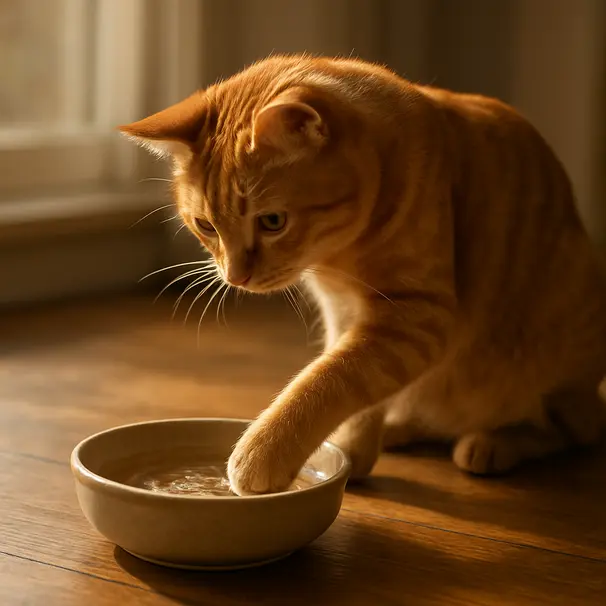
1. Ancestry and evolution: wild cats and water avoidance
Wildcat ancestors shaped modern domestic cat behavior. Many wild felids avoided large bodies of water because their prey lived on land. Even though domestic cats have lived alongside people for thousands of years, that ancient wiring didn’t disappear overnight. Cats evolved to be stealthy, land-based predators. Their hunting style depends on quiet, controlled movements and quick bursts of speed. Water interrupts that, making movement noisier and less predictable. For a creature built for stalking mice and birds, it’s logical to find wet, slippery surfaces alarming.
Practical note: the fact that most cats aren’t natural swimmers doesn’t mean they can’t tolerate water at all. Some breeds, like the Turkish Van and certain Bengal lines, may enjoy splashing. Breed tendencies matter, but individual personality and experience matter more.
2. Fur structure and insulation: wet fur feels very different
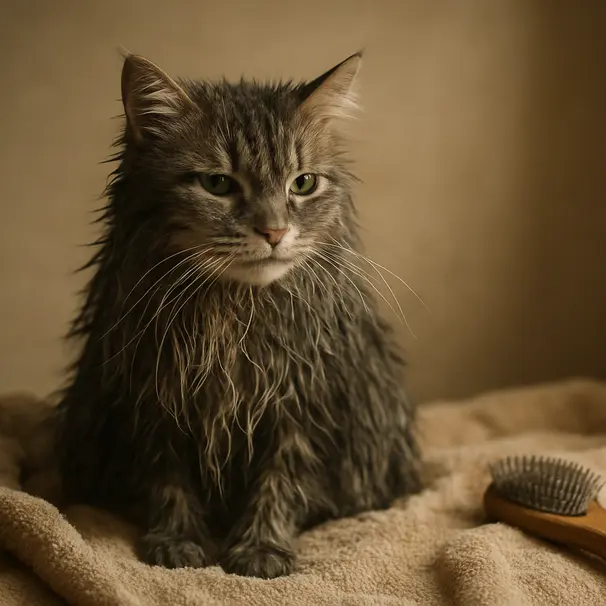
A cat’s coat acts like insulation. Dry fur traps air close to the skin, regulating temperature. When fur gets soaked, that insulation changes. Wet fur feels heavier, sticks to the body, and can make a cat feel vulnerable. For short-haired cats, water evaporates more quickly, but the initial sensation is still strange. Long-haired cats may find wetness even more uncomfortable because damp fur matts, tangles, and takes a long time to dry. This sensitivity isn’t vanity. It’s practical. A drenched coat can sap body heat, especially in kittens, seniors, or cats with underlying health issues.
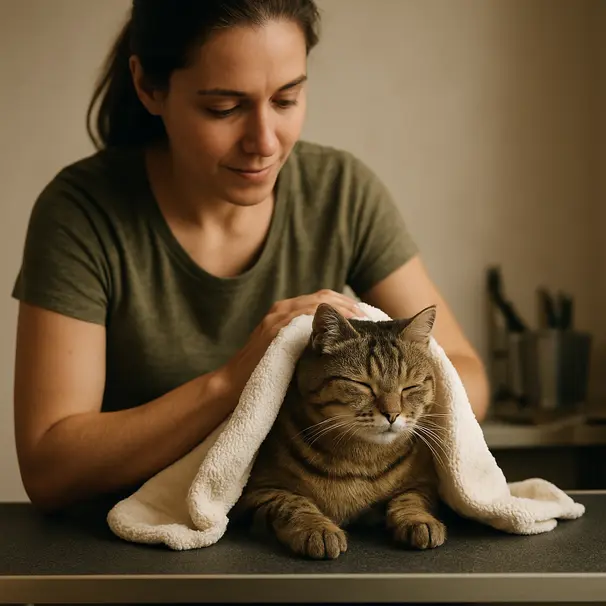
Practical note: consider a quick towel rub and a warm, draft-free room after any accidental wetting. A gentle blow-dry on low heat may help some cats, but always introduce dryers slowly and watch for stress signs.
3. Temperature and sensory sensitivity: water can be unpredictable
Cats are sensitive to temperature changes. Cold water is unpleasant and can trigger a strong avoidance response. Even warm water might surprise a cat if it’s a different temperature or moving in an unexpected way. Beyond temperature, water moves and makes noises. The splashing, the sound of running taps, or the ripple of a bath surface can overwhelm a cat’s finely tuned senses. Their whiskers and paws pick up subtle shifts, and that unpredictability can cause anxiety.
Practical note: if you need to introduce water, start with warm, shallow, still water so sensations are less dramatic. Let your cat approach at their own pace and don’t force contact.
4. Sensory and tactile reasons: whiskers, paws, and surprise
Cats rely heavily on tactile information. Their whiskers are sensitive instruments that map nearby objects. Water changes tactile feedback in ways cats may find disorienting. Paws that suddenly feel slick or wet will make a cat pull back quickly. Many cats also dislike having their heads wet. The face and ears hold scent and important communication cues. If water interferes with those, a cat can feel unsettled. Those reactions aren’t signs of stubbornness. They’re the same kind of reflex humans have when touching something unexpectedly cold or slimy.
Practical note: encourage exploration by letting your cat test water with a paw first. Offer treats near a shallow dish so the experience ties to positive outcomes. Keep interactions brief and upbeat.
5. Lack of exposure and learned behavior: experience shapes comfort
Cats learn from their environment. A kitten raised with gentle water exposure may be calmer around it as an adult. Conversely, a cat that’s never been introduced to baths or water play may panic when it suddenly encounters a dripping faucet or a full tub. Negative first experiences stick. A frightening bath or an accidental slip into a puddle can teach a cat to avoid similar situations forever. Positive, slow introductions can reframe water from a threat into a manageable experience.
Practical note: if you plan to acclimate a cat, start early for kittens. For adults, be patient. Use short, predictable sessions paired with high-value rewards. If a cat freezes, hisses, or tries to escape, stop and try again another day.
How to help a water-averse cat: practical steps
Here are friendly, step-by-step methods you can use to help your cat feel safer around water. Take things at their pace and stay consistent.
- Create positive associations: Offer favorite treats, toys, or a gentle brush near water. If a faucet drips, reward calm behavior.
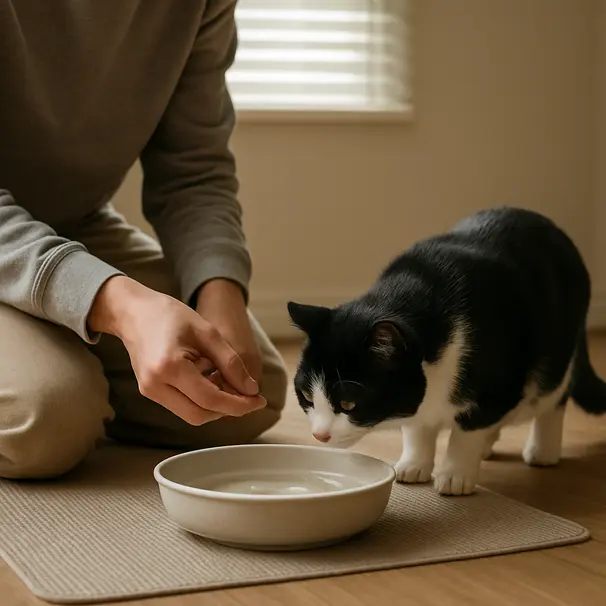
- Start shallow and still: Use a shallow basin with warm water, or let your cat explore a small puddle on a towel. Let them touch with a paw first.
- Keep sessions short: Three to five minutes is plenty for a first introduction. End on a high note, with praise and treats.
- Use gentle handling: If your cat needs a bath for medical reasons, support their body, keep hands calm, and avoid squeezing.
- Towel-dry and warm environment: Have a soft towel ready, and move your cat to a warm room after any damp encounter.
- Consider a professional carer: If bathing stresses your cat, a trusted groomer or pet carer can help. Carers know calming techniques and have the right tools.
Avoid punishment or prolonged restraint. That creates negative memories and makes future introductions harder.
Bathing basics for cats: if it’s necessary
Most cats groom themselves well and rarely need a full bath. Still, there are situations where bathing is necessary: sticky messes, flea treatments that require wetting, or vet-recommended washes. If you must bathe your cat, here are safety-focused steps:
- Prep the area: Quiet room, closed doors, non-slip mat, towel nearby.
- Gather supplies: Cat-specific shampoo, a cup for pouring water, and a towel. Human shampoos can irritate skin, so consider a product made for cats.
- Water temperature: Warm, comfortable to the touch. Avoid sudden sprays or splashes.
- Keep it low and slow: Shallow water and gentle pouring reduce surprise.
- Rinse thoroughly: Soap residue can irritate skin.
- Towel and comfort: Towel-dry and give treats after to reinforce calm behavior.
If your cat has severe matting, skin conditions, or an extreme fear of water, consider professional grooming or ask your vet for guidance. A groomer or trained carer can often bathe a cat with minimal stress.
Alternatives to full baths: keep your cat clean and happy
If baths are a battle, try alternatives that help hygiene without immersion:
- Spot cleaning: Use damp cloths to wipe dirty areas.
- Waterless shampoos: Sprays or foam designed for cats can freshen fur without rinsing.
- Regular brushing: Removes loose hair and distributes skin oils, keeping fur healthy.
- Paw wipes: Gentle wipes for the paws after outdoor adventures.
- Professional dry groom: Some carers offer services that remove dirt and loose fur without water.
These options can keep your cat comfortable and reduce the need for stressful full baths.
When to ask a vet or a professional carer
Sometimes water aversion masks something else. If your cat suddenly hates water after previously tolerating it, or shows signs of pain when touched, consider a vet visit. Skin conditions, arthritis, or ear infections might make handling uncomfortable. Professional carers and groomers are also helpful if bathing is necessary but stressful. They can offer calm handling, the right equipment, and experience reading cat body language. If your cat needs medical treatments that involve water, ask your vet for trusted groomer recommendations.
Remember to use cautious language with health matters, and consider professional advice when relevant.
Tips for carers and sitters: keeping cat comfort central
If you’re a pet carer, here are a few extra things clients will appreciate:
- Ask about a cat’s water history before bathing.
- Offer a meet-and-greet so the cat can scent you and relax.
- Bring familiar items: a towel from home or a favorite toy can soothe.
- Communicate clearly with owners about the cat’s response and any notable skin or behavior issues.
Being patient and flexible goes a long way. Carers who read cues and prioritize calm introductions earn trust quickly.
Final thoughts: empathy and patience win
Cats avoiding water makes sense when you look at their anatomy, senses, and history. It’s not stubbornness, it’s survival instincts and comfort-seeking. With gentle, consistent steps you can reduce fear and build trust around water. Keep things short, warm, and predictable, and consider professional help for tricky situations. If ever in doubt about health or behavior changes, check with a vet. And if bathing falls to a sitter or carer, pick someone who understands cat body language and uses calm, low-stress techniques. Above all, remember that each cat is an individual. Some will remain staunchly dry for life, and that’s okay. Respecting your cat’s boundaries while offering small, positive experiences will strengthen your bond, and make both of you happier.
Thanks for reading, and may your kitty’s next encounter with water be as gentle as a sunbeam on their favorite windowsill.