

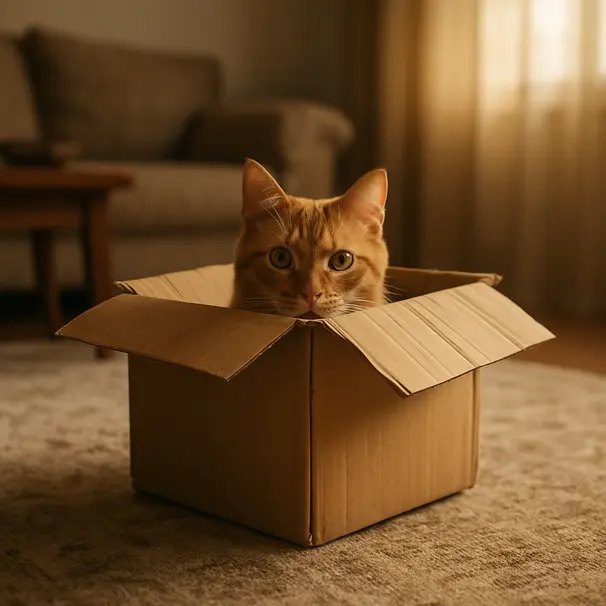
Why a humble box gets a cat’s full attention
If you’ve ever watched a cat ignore a million-dollar toy and choose a plain cardboard box instead, you’re not alone. Boxes have a mysterious pull on cats that often looks delightfully silly. Underneath the cuteness there’s real behavior and biology at work. Let’s walk through the science, the simple comforts, and practical ways pet owners and carers can use boxes to help cats feel safer and more engaged.
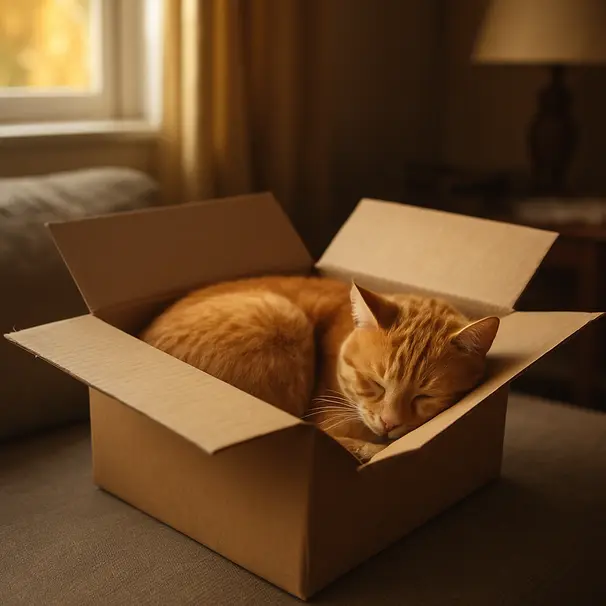
The science: instincts, shelter, and sensory comfort
Cats evolved as both predators and prey. That dual identity shaped their brains to value places that offer both a lookout and a hideout. Boxes provide a compact, enclosed space where a cat can observe without being easily seen. This does several helpful things at once:
- Safety and stress reduction: Small, enclosed spaces can decrease stress hormones and create a sense of security. The walls of a box limit the angles from which a cat can be approached, helping them relax.
- Thermoregulation: Cardboard is an insulating material. Curling up in a snug box helps a cat conserve body heat. That’s one reason boxes are especially appealing in cooler weather, or during naps.
- Sensory dampening: Enclosed spaces reduce ambient noise and sudden visual stimuli. For a nervous kitty, that lowered sensory load can feel calming.
- Ambush advantage: Boxes give cats a concealed place to watch and launch short bursts of play or hunting behavior. The cover-and-pounce routine is satisfying and mentally stimulating.
Research in animal behavior has pointed to enclosure-seeking as a normal, adaptive feline trait. Think of a box as a tiny den that provides choice and control. When a cat can choose to hide or pop out at will, it often feels more confident in its environment.
Boxes and emotional wellbeing: more than a toy
It’s easy to laugh at a cat that climbs inside a packing box, but carers and owners can use that impulse thoughtfully. Boxes can be tools to:
- Reduce anxiety during change, like moving house or introducing a new pet
- Offer a quiet retreat when guests arrive
- Provide a predictable spot for shy cats to watch the household
If your cat retreats to a box during stressful moments, that’s usually them self-soothing. Giving them that option is a kind, practical step. For nervous cats, a dedicated box in a quiet corner may be as valuable as a cat tree or a small private bed.
Practical safety tips for using boxes
Boxes are cheap and effective, but safety matters. A few sensible precautions help keep play safe:
- Avoid staples and loose tape. Remove metal pieces that could scratch or be swallowed.
- Use plain cardboard. Scented or printed boxes may have inks or residues that some cats dislike or could irritate sensitive noses.
- Watch for chewing. If your cat starts shredding and eating cardboard often, consider redirecting them to chew-safe toys and consult a vet, as excessive chewing can signal a nutritional or medical issue.
- Size it right. The box should let the cat curl comfortably and turn around. Too tiny and it’s stressful; too big and it loses the snug feeling.
- Keep boxes dry and mildew-free. Replace damp or soiled boxes promptly.
How to pick and prepare the perfect box
Choosing the right box is part luck and part observation. Try a few types and notice your cat’s preference.
- Low-sided boxes: Great for cats who like to pop in and out quickly.
- High-walled boxes: Best for nervous cats who want a deep hideaway.
- Shallow trays or lids: Ideal for loafing or perching.
Make the box welcoming without over-fussing. A soft towel, a little sprinkling of catnip, or an unwashed t-shirt with your scent can help, especially for cats that are shy or stressed by change. Keep bedding minimal so the cat can still feel the insulating cardboard.
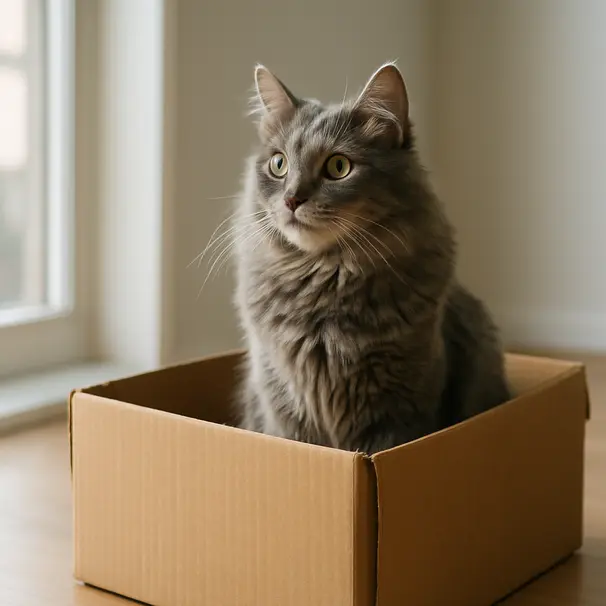
Play, enrichment, and mental exercise
Boxes are excellent enrichment tools. They encourage natural behaviors like stalking, hiding, and ambushing, while giving carers a chance to interact safely.
Try these playful ideas:
- Peek-a-boo: Gently tap the box or move a toy in short bursts to encourage pouncing.
- Puzzle boxes: Place treats in folded corners or under a small flap to stimulate foraging instincts.
- Tunnel systems: Connect several boxes by cutting doorways; cats often love running through short, maze-like arrangements.
- Swap scents: Place a box near a new object or diffuser so your cat can investigate at their own pace.
Be mindful of overstimulation. If your cat becomes aggressive or excessively frantic with box play, pause and let them calm down.
Boxes for carers: using them during visits and stays
As a pet carer, you’ll find boxes useful during short-term stays or when working with shy cats. They’re portable, inexpensive, and effective at encouraging a nervous cat to settle.
When you arrive in a new home:
- Ask the owner if there are favorite boxes or hiding spots to set up temporarily.
- Place the box in a quiet corner away from the main traffic flow, but where the cat can still watch family activity.
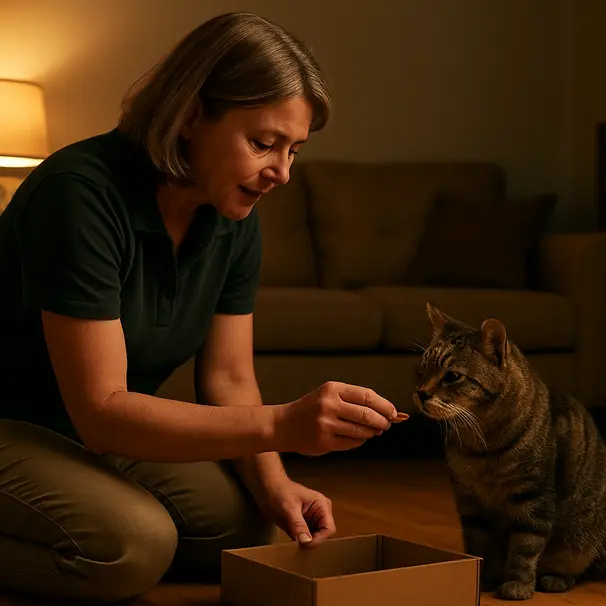
- Avoid forcing the cat into the box. Place treats or toys nearby and allow the cat to explore at their own pace.
For carers introducing themselves to a cat, a small box with a familiar scent can speed trust-building. Let the cat make the first move. That choice is powerful for an animal that values control over its environment.
Special considerations for multi-cat households
Boxes can help reduce tension between cats, or sometimes increase competition for favored spots. Think like a cat psychologist and follow a few rules:
- Provide multiple boxes. A good rule is one more box than the number of cats. That keeps competition low and lets each cat claim a private spot.
- Spread boxes across vertical levels. Some cats prefer elevated vantage points, so offer boxes on shelves, cat trees, or window sills.
- Rotate and monitor. If one cat monopolizes a box, rotate boxes or add new hiding spots to balance access.
Common questions from owners and carers
Q: Will my cat hurt themselves in a box? A: Most cats use boxes safely, but check for sharp edges, staples, or loose string. Supervise if your cat likes to chew.
Q: Are boxes bad for kittens? A: Kittens generally love boxes, but they can be very small or get trapped in tiny crevices. Use appropriately sized boxes and supervise play until you’re sure the kitten can get in and out safely.
Q: Should I worry if my cat hides in a box a lot? A: Hiding more than usual can signal stress, pain, or illness. Observe for changes in appetite, litter habits, or grooming. If hiding persists or other changes occur, consider contacting a vet.
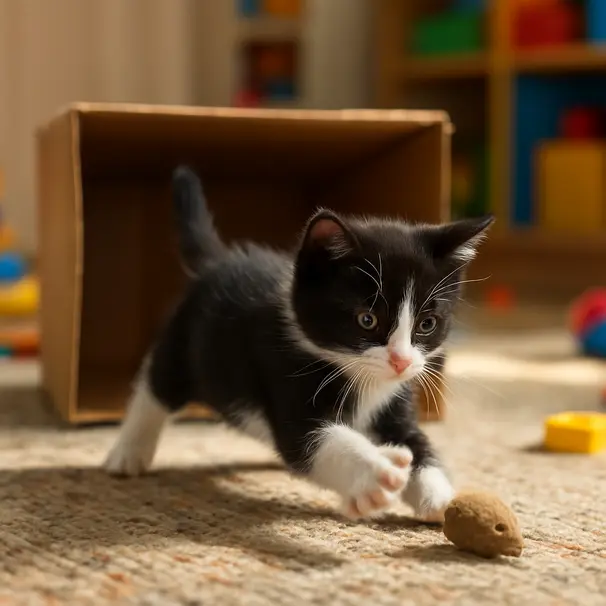
Creative box ideas that keep things fresh
If your cat is bored with the same old box, try these quick upgrades:
- Add floppy flaps. Cut soft doorways so the cat can peek and feel hidden.
- Make a window-view box. Place a box on a secure windowsill so the cat gets sun and outdoor sights.
- Layer textures. Try a corrugated scratch pad inside a box for extra interest.
- Scent swaps. Move a box from a quiet room to a busier area for short periods and see how your cat responds.
Rotate boxes every few days. New shapes and locations are like little adventures for a domestic cat.
When cardboard isn’t enough: alternatives and supplements
Not every cat is obsessed with boxes. Some prefer cuddly beds, cat caves, hammocks, or high perches. Use boxes as one element in a broader enrichment plan that includes:
- Vertical space like shelves or trees
- Interactive toys and puzzle feeders
- Quiet retreats and predictable routines
If you’re unsure what your individual cat prefers, experiment gently. Cats reveal their likes in small, clear ways. A loafing cat on a soft bed or a crouched cat peeking from a box tells you exactly what they want.
Final thoughts: respect the mystery, enjoy the moment
Cats make our homes fun because they keep a little mystery. Boxes are a simple, low-cost way to support their instincts and wellbeing. They provide warmth, shelter, play, and the chance for choice. As an owner or carer, you can use boxes thoughtfully to reduce stress and increase enrichment.
Remember to prioritize safety, watch for behavior changes, and keep enrichment varied. And don’t forget to laugh a little when your cat rejects an elaborate gift and insists on the empty box. That’s one of the small joys of sharing life with a cat.
Quick checklist for owners and carers
- Remove staples and loose tape before offering a box.
- Offer multiple boxes in multi-cat homes.
- Use boxes as temporary retreats during stressful events.
- Monitor chewing and unusual hiding behaviors.
- Rotate and vary box types to keep interest high.
A cardboard box is humble, flexible, and full of possibility. It’s a tiny den, a stage for play, and sometimes the best nap spot in the house. Give your cat options, watch what they prefer, and enjoy the simple pleasure of seeing them find comfort in a box.
If you have concerns about your cat’s health or behavior, consider consulting your vet or a qualified behaviorist for personalized advice.