

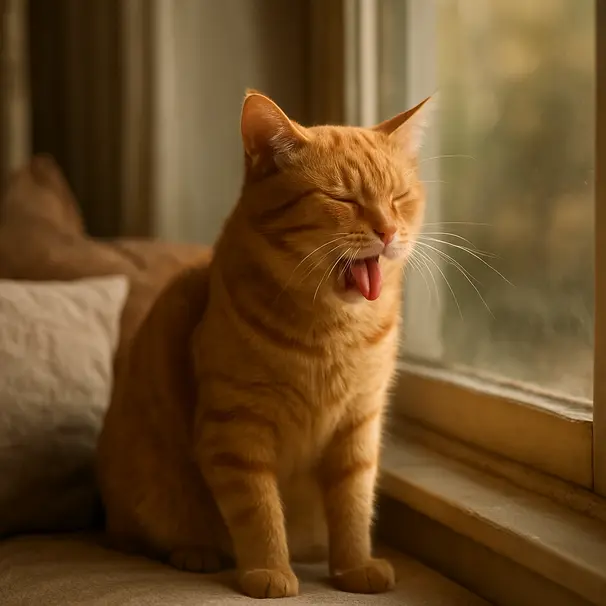
Why does my cat open their mouth to smell things?
If you’ve ever watched a cat suddenly freeze, lift their head, and part their lips as if taking a tiny bite of the air, you’re not alone. That strangely earnest face is a normal and fascinating part of feline life. Many pet owners find it a little dramatic, a little theatrical, and absolutely adorable.
This behaviour has a name, a biological purpose, and some useful signals for owners and carers. Let’s unpack what’s happening, why cats do it, and how you can respond in a way that respects your cat’s instincts.
The basics: what is the flehmen response?
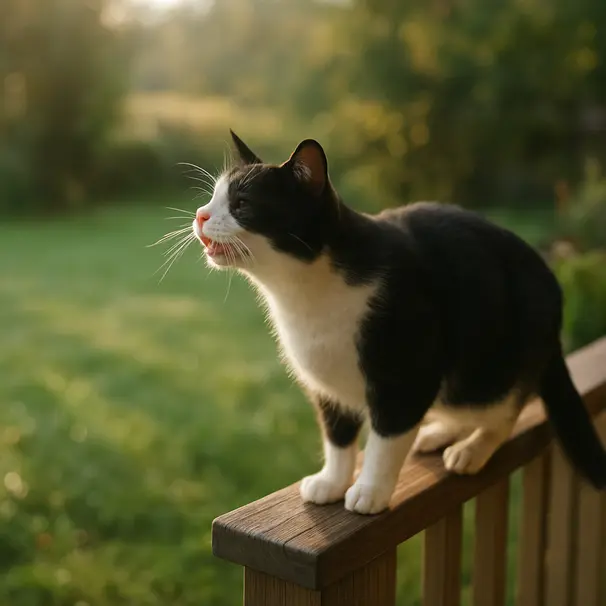
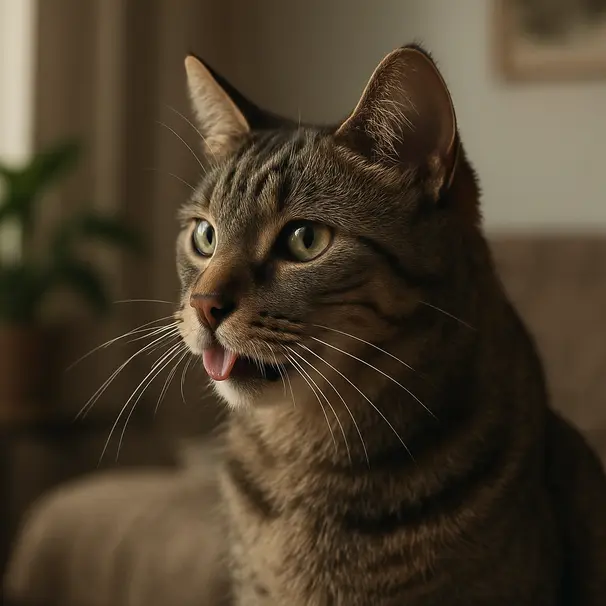
The gesture you’re seeing is commonly called the flehmen response. It’s the name given to that moment when a cat opens their mouth and seems to inhale through their front teeth. Instead of smelling only through the nose, they direct scent toward a small, specialized organ just behind the front teeth.
That organ, the vomeronasal organ, can pick up chemical messages from the environment. These chemical cues can tell a cat about other animals, whether something in the room is familiar or new, reproductive status of another cat, and even subtle changes in food or litter.
The flehmen response may look dramatic, but it’s a clever piece of biological equipment. It helps cats gather more precise social and environmental information than nasal sniffing alone.
How the vomeronasal organ works
Inside your cat’s mouth, the vomeronasal organ sits on the roof of the mouth, connected by ducts that open to the nasal cavity. When a cat performs the flehmen response, jaw and lip movements create a path that allows air and scent molecules to reach this organ more directly.
Think of it as a secondary scent detector, specialized for chemical signals that aren’t easily picked up by the nose alone. Whereas the nose detects volatile odors, the vomeronasal organ is especially tuned to semi-volatile compounds—those that might come from urine marks, pheromones, or the fur of another animal.
Kittens start experimenting with scent early on. You may notice them using the flehmen response when presented with something new or when they’re curious about another animal’s scent. It’s an important part of how they learn about their world.
Common reasons cats use the flehmen response
- Scent investigation: New smells, visitors, or a different household object can prompt the behaviour. Cats are cataloguing the environment.
- Social cues: Scent marks left by other cats or animals contain information about identity, health, and reproductive state.
- Food and litter: Strong or unfamiliar smells in food or the litter box can trigger a response, as cats evaluate whether something’s safe or worth attention.
- Maternal and kitten scent: Mothers and kittens use scent recognition to bond. Flehmen can help reinforce those connections.
- Curiosity and play: Sometimes it’s just curiosity—cats are intensely scent-oriented, and the flehmen faces show their interest.
You might notice male cats using the flehmen response more often around female cats in heat, but females and neutered males do it too. It’s a common tool across sexes and ages.
When the behaviour is perfectly normal
Most of the time, an open-mouth sniff is normal. Your cat may do it a few times a day or only when encountering something unusual. It shouldn’t be accompanied by coughing, drooling, pawing at the mouth, or obvious distress.
If your cat seems relaxed after the investigation, resumes normal eating and grooming, and behaves normally otherwise, you can treat flehmen as one of those charming, odd feline habits.
Signs to watch for: when to consider a vet visit
Although flehmen is usually harmless, there are times to be cautious. Consider seeking veterinary advice if you notice any of the following alongside frequent open-mouth breathing:
- Bad breath, drooling, or a sudden change in eating habits
- Pawing at the mouth, swelling around the face, or reluctance to eat
- Persistent open-mouth breathing that looks like panting
- Sneezing fits, nasal discharge, or changes in voice
- Lethargy or other signs of illness
These signs could suggest dental problems, oral infections, respiratory issues, or foreign bodies in the mouth. If you’re unsure, it’s sensible to check with your veterinarian. A quick exam can put your mind at ease and rule out anything that may need treatment.
How pet carers can respond when they see the flehmen response
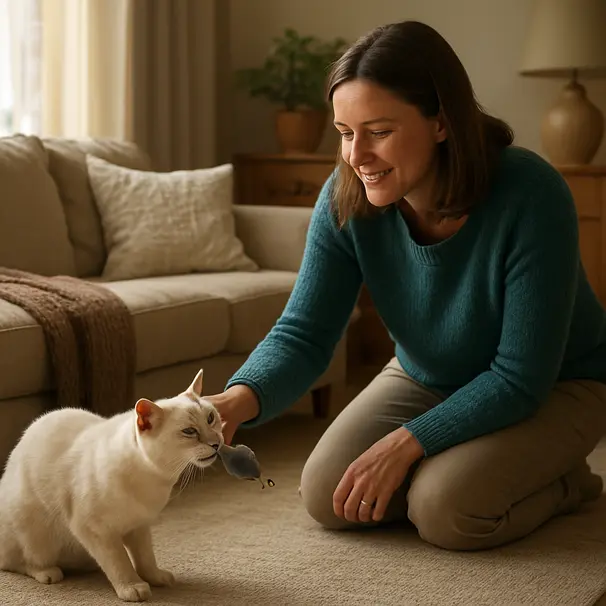
For carers and sitters, the flehmen response is a useful clue about a cat’s comfort and curiosity. Here are some practical tips:
- Give space: Let the cat investigate at their own pace. Don’t rush them away from a scent they find intriguing.
- Observe, don’t interrupt: It’s a good time to note new smells in the home—perhaps a new cleaner, a guest’s perfume, or a neighbouring animal.
- Check the environment: If the behaviour repeats and you can’t identify the scent, inspect the litter box, recent laundry, and food storage for anything odd.
- Communicate with the owner: If you’re a carer, mention the behaviour in your notes. It might signal that a new animal visiting or a change in routine occurred.
These simple steps respect a cat’s instincts while helping carers stay informed and proactive.
Enrichment and safe scent exploration
Cats are scent-driven, and offering safe ways to explore new smells can enrich their lives. Consider these gentle ideas:
- Scent swaps: Swap a towel or toy briefly between cats in a multi-cat household to help them get familiar with each other’s scent.
- Outdoor air: If your cat enjoys supervised time outdoors, short, calm walks or secure catio time can expose them to a variety of safe scents.
- Novel objects: Introduce a new toy or a card with a different scent for supervised sniffing sessions.
- Puzzle feeders: Food puzzles combine scent and taste investigation, offering mental stimulation and encouraging natural behaviour.
Always supervise scent enrichment and avoid exposing cats to potentially harmful substances like essential oils, strong cleaning chemicals, or toxic plants. When in doubt, consider consulting with the owner or a vet about safe items to introduce.
How the flehmen response fits into social life
Cats use scent to keep track of friends and foes. When one cat inspects another’s cheeks or tail base, they’re learning identity and mood. The flehmen response amplifies this process, helping interpret subtle chemical messages.
In multi-cat homes, you may see more sniffing and flehmen around shared resources like beds and feeding areas. That’s normal, but persistent aggressive behaviour or frequent tension around resources might need a thoughtful management plan from the owner or carer.
Fun facts and surprising tidbits
- Flehmen occurs in many mammals, not just cats. Horses, tigers, and other animals show similar behaviours.
- A cat’s nose and vomeronasal organ are complementary: the nose detects airborne odors, while the vomeronasal organ picks up more specific chemical markers.
- Kittens learn a lot about their world through scent. Flehmen is part of their early education.
These little quirks are part of what makes cats so endlessly interesting to watch and care for.
Practical troubleshooting: if your cat suddenly starts doing it a lot
If flehmen becomes noticeably more frequent, try to narrow down possible triggers by asking a few questions:
- Has anything new entered the home? Guests, other pets, plants, or strong-smelling products?
- Any changes to food, litter, or cleaning supplies?
- Is the cat eating, grooming, and using the litter box normally?
If the increase lines up with a new scent source, addressing that source may reduce the behaviour. If no clear trigger appears and the cat shows other concerning signs, it’s wise to consult a vet.
Tips for new carers visiting a cat
If you’re a sitter or new carer, keep these friendly practices in mind:
- Move slowly and talk softly. Sudden movements can make a curious cat back away from a scent investigation.
- Avoid wearing strong perfumes or scented lotions. Neutral scents are kinder to sensitive feline noses.
- Observe quietly. The way a cat responds to a scent can tell you whether to stay nearby or give them space.
- Record observations. Share what you noticed about scent-related behaviours with the owner—small details can help them understand their cat better.
These gestures help build trust and show respect for a cat’s sensory world.
When to be curious, and when to be concerned
Be curious like your cat—scent is a meaningful part of their world. Yet, always balance curiosity with caution. If flehmen appears alongside other worrying changes, prioritize a vet check. Early evaluation can rule out issues like dental disease or respiratory problems.
Otherwise, allow the behaviour its place. It’s a sign your cat is engaged and paying attention. Watching them perform that tiny, serious face can remind us how different and wonderful their senses are.
Summary: celebrate the sniffers
Cats open their mouths to smell because they’re using a second, specialized sense organ to gather richer information. It’s a normal, fascinating behaviour that helps them understand people, other animals, and their surroundings. Carers can support cats by observing, giving space, and offering safe scent enrichment. If you ever notice changes that worry you, consider checking with a vet to make sure everything is healthy.
Next time your feline friend gives you that slightly astonished look with parted lips, you can smile and know they’re doing something ancient and useful: learning about the world, one tiny scent at a time.