

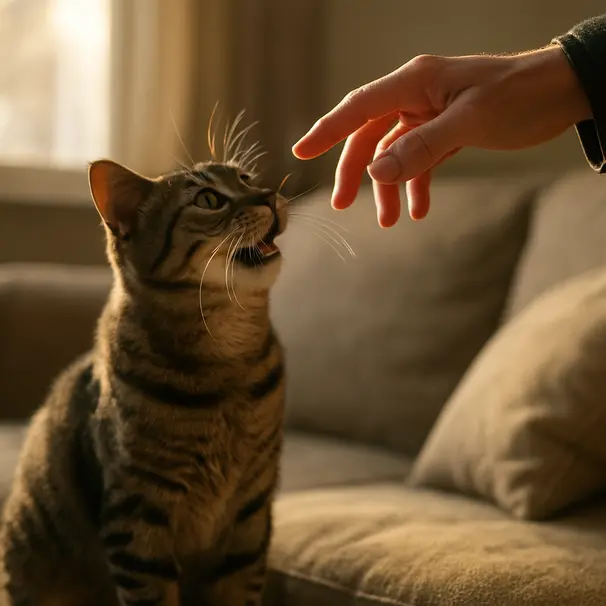
Why this little sound makes cat lovers smile
If you’ve ever been met at the door by a high, bright little chirp that rolls into a soft purr, you know the thrill. That sound is a trill, and it’s one of the most charming bits of cat-speak. It feels personal, warm, and somehow conversational, like your cat is saying “hello” in their own language.
In this post we’ll explore what trilling is, why cats use it, how to tell it apart from other vocalizations, and most importantly, practical ways owners and carers can respond to encourage confident, happy cats.
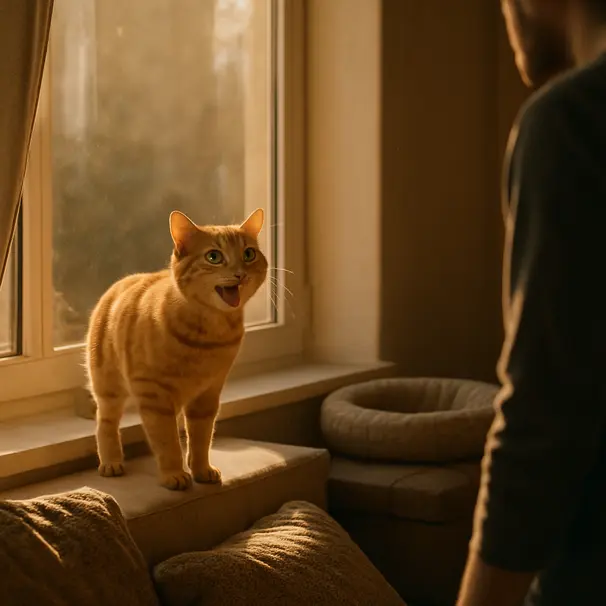
What is a trill?
A trill is a short, high-pitched, rolling sound that sits somewhere between a meow and a chirp. It’s usually brief, often rising in pitch, and can sound like a soft, friendly “brrr” or “prrrt.” Kittens trill to their mother, and adult cats often keep the habit through life.
Trills are typically positive. You’ll hear them during greetings, when a cat wants to grab your attention without sounding demanding, or when they’re inviting you to follow them. It’s different from a loud meow, which tends to be more insistent, and from a purr, which is more about contentment.
When and why cats trill
Here are the most common reasons cats trill:
- Greeting and recognition: Your cat may trill when they see you, especially if you’ve returned from being out. It’s a friendly signal that says, “I’m happy you’re here.”
- Attention seeking without stress: A trill can let you know your cat wants you to notice them, but not urgently. It’s polite, not demanding.
- Invitation to follow or play: Cats sometimes trill to lead you somewhere, perhaps to a sunny window or to their food bowl. It can be their way of saying, “Come with me.”
- Social bonding: Mother cats trill to their kittens; adult cats may trill to other cats they trust. It helps keep social connections strong.
- Expressing mild excitement: A cat may trill during a positive moment, like spotting a bird outside or when you pick up a favorite toy.
Remember, context matters. Pay attention to body language. A relaxed posture, slow blinking, upright tail, and forward ears usually mean the trill is friendly. If a trill comes with flattened ears, dilated pupils, or a stiff body, that could suggest anxiety or overstimulation, and you should give your cat space.
How trills differ from similar sounds
Cats have a whole toolkit of vocalizations. Here’s how trills compare:
- Trill vs meow: A trill is shorter and higher, often more musical. Meows can have more urgency and are frequently aimed at humans.
- Trill vs chirp: Chirps are usually sharper and may imitate animal sounds. Trills roll and feel conversational.
- Trill vs purr: Purring is a sustained vibration often tied to comfort. Trilling is a distinct vocalization used to communicate a small message.
Understanding these differences helps carers and owners respond more thoughtfully.
How to respond to a trilling cat
Responding in ways that match your cat’s tone strengthens the bond. Try these approaches:
- Talk back gently: Use a soft, friendly voice, and try a short, bright sound in return. Cats often enjoy being acknowledged in a similar tone.
- Follow if invited: If your cat trills and walks toward something, follow quietly. They may be inviting you to share a spot or show you something.
- Reward connection: A brief petting session, a treat, or a few minutes of play can reinforce the pleasant interaction. Keep it light and positive.
- Note timing and pattern: If a cat trills always before a certain event, like feeding or grooming, that’s useful information for carers to maintain routines.
If a trill is followed by agitated behavior or sudden changes, consider stepping back and giving the cat space. If you notice persistent vocal changes or behavioral shifts, you may want to discuss them with a vet or an experienced behaviourist.
Practical tips for encouraging happy chatter
Want more of that cheerful chatter? These everyday tips can help cats feel safe and social:
- Keep predictable routines: Cats often feel secure with consistent feeding and play schedules. Security encourages positive vocalizations.
- Create cozy vantage points: Window perches, cat trees, and quiet nooks give cats choices about engagement. A happy cat trills more when they feel in control.
- Offer interactive play: Short, focused play sessions mimic hunting and can trigger excited trills afterward. Wand toys work well.
- Use soft reinforcement: When a cat trills, respond with attention or a tiny treat. Over time they learn trilling gets gentle rewards.
- Match the mood: If a cat seems mellow, use calm interaction. If they’re lively and trilling, play or follow their lead.
These are gentle strategies that can help carers build rapport and encourage confident, communicative cats.
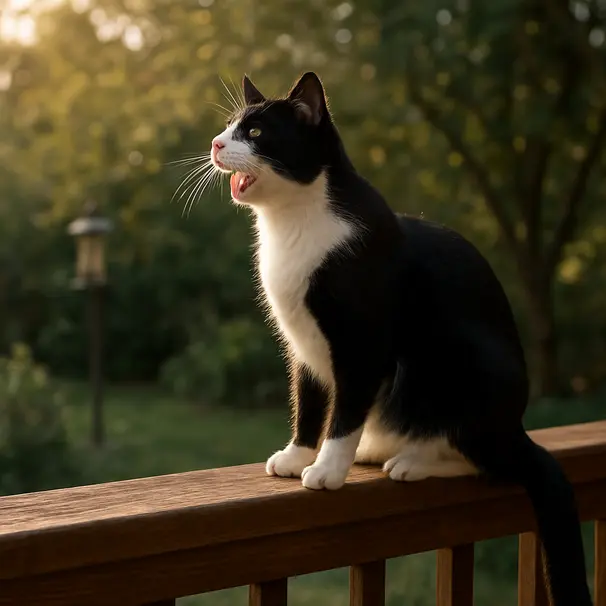
Reading body language alongside the trill
Vocal cues don’t exist in a vacuum. Watch for these signs that tell you what the trill probably means:
- Friendly greeting: Ears forward, tail up or curved gently, slow blinking, relaxed whiskers.
- Invitation to play: Bright eyes, upright tail, quick steps or sudden darting, followed by a trill.
- Request or reminder: Head nudging or sitting in a doorway with an expectant trill.
- Discomfort or stress: Tension in the body, crouched posture, ears back. If a trill comes with these signs, give the cat space.
Encourage carers to note patterns. A true professional knows that subtle cues make the difference between a happy cuddle and an overstimulated cat.
Trilling across ages and breeds
Kittens trill frequently—the sound helps keep the family together. As cats age, trilling patterns can change. Older cats may trill less or use different vocal strategies.
Some breeds are more talkative in general. Siamese and other oriental breeds may use a wider vocabulary, including trills, while more reserved breeds might be quieter. But personality matters most. An outgoing mixed-breed may trill a lot, and a pedigree cat may be the quiet one.
If you’re a carer meeting a new cat for the first time, take notes on their usual vocal habits. It helps future sitters and owners predict how the cat prefers to communicate.
When to pay attention to changes
Trills are typically positive, but sudden changes in vocal behaviour could signal shifts in health or wellbeing. Consider a check-in with a vet if you notice:
- A sudden and dramatic increase or decrease in vocalisations.
- Trills accompanied by signs of pain, hiding, appetite changes, or litter box issues.
Use cautious language and encourage a vet consultation rather than offering medical diagnoses. A professional can rule out dental issues, hearing loss, thyroid concerns, or other causes for altered vocal patterns.
Tips for pet carers: matching communication styles
If you’re a professional carer or a sitter, clients appreciate notes about vocal tendencies. Here are practical tips to include in client handovers:
- Note typical times: Does the cat trill in the morning, before meals, or when moving between rooms?
- Describe triggers: Windows with bird activity, specific toys, or particular people.
- Preferred responses: Does the cat like to be picked up after trilling, or do they prefer you follow them and observe?
- Record body language: A simple checklist helps other carers replicate successful interactions.
This level of detail not only reassures owners but also improves continuity of care across visits.
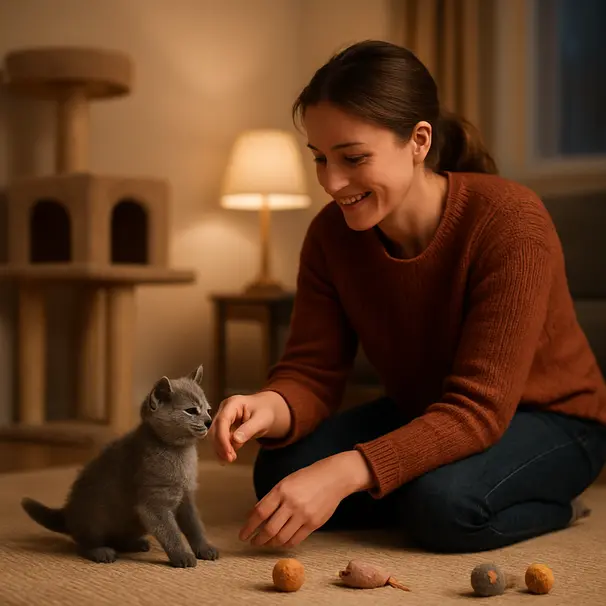
Simple games and enrichment to spark happy trills
Here are quick ideas you can try at home or recommend to clients to encourage joyful communication:
- Feather chase sessions: Short bursts of play simulate hunting and often lead to excited trills afterwards.
- Treat-follow trail: Hide a few small treats leading to a new window perch or bed. Cats may trill as they discover the path.
- Interactive camera calls: If you’re a carer checking in remotely, try a gentle vocal “hello” on video. Some cats will trill back.
- New scent exploration: Introduce a safe scent cloth or a cardboard box. Novelty can trigger curious trills.
Keep sessions short and positive. Cats dislike being overwhelmed, so frequent, brief interactions are often best.
Final thoughts: listen, respond, and enjoy the chatter
Trilling is one of those little loops of connection that makes sharing life with a cat special. It’s usually a sign of friendliness, curiosity, or invitation. By listening closely, matching tone, and observing body language, owners and carers can strengthen bonds and create more of those small, happy moments.
If your cat’s vocal patterns change suddenly, consider a vet check to rule out underlying causes. Otherwise, enjoy the music of your cat’s voice: a tiny chat that says, “I see you,” and, often, “come play.”