

Why this matters and what you’ll learn
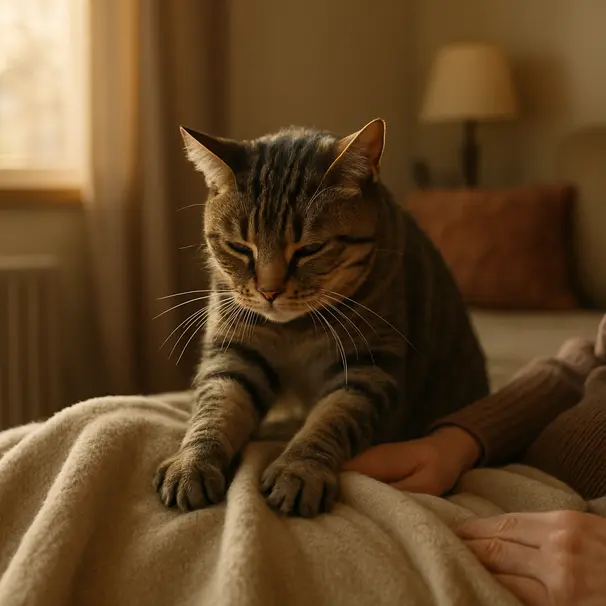
Kneading, or “making biscuits,” is one of those charming cat gestures that melts hearts. If your cat presses their paws into your lap, alternating left and right, they’re not baking bread. They’re doing something much more instinctive and meaningful.
In this guide you’ll get warm, practical answers: why cats knead, what the behavior might mean, how to keep yourself and your cat comfortable, and when it may be worth checking in with a vet. There are tips for pet owners and for carers who look after other people’s cats. Enjoy the cozy explanations and handy steps you can use today.
What exactly is kneading? A simple description
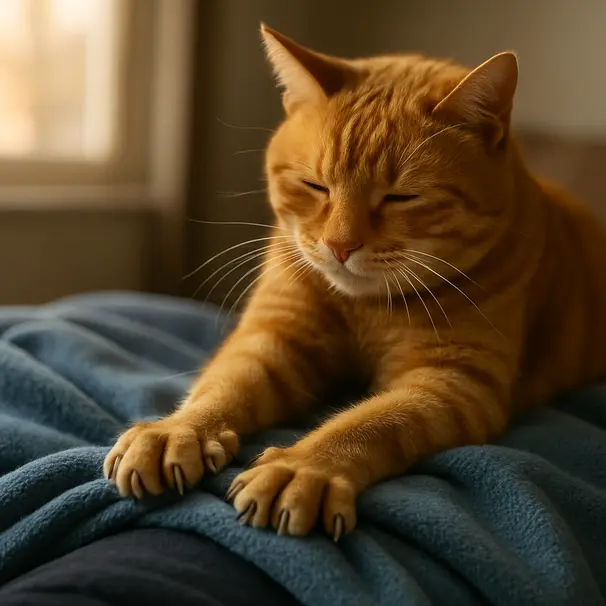
Kneading is a rhythmic pushing motion with the front paws, often accompanied by purring, drooling, half-closed eyes, or a relaxed body. Cats usually tuck their claws in and extend them, alternating paws as they push into soft surfaces like blankets, cushions, or a human lap.
You’ll often hear this called “making biscuits,” because the motion resembles kneading dough. It’s common in kittens and adult cats, and while it looks cute, it’s also an important communication and comfort behavior.
Why cats knead: the likely reasons
Cats knead for several overlapping reasons. These are not exclusive; your cat may knead for a mix of instincts and learned comfort.
- Kittenhood and nursing memory: Kittens knead their mother’s belly to stimulate milk flow. That early life connection can carry into adulthood as a soothing reflex.
- Comfort and relaxation: Kneading often happens when a cat is content, settling down, or preparing to nap. It’s the behavioral equivalent of fluffing a pillow.
- Scent marking: A cat’s paws have scent glands. Kneading leaves the cat’s scent behind and may mark territory in a subtle, reassuring way.
- Stretching and muscle use: The motion helps flex paws, legs, and shoulders. It can be a gentle stretch before settling in.
- Social bonding: Kneading a human indicates trust and a desire to be close. Some cats knead only their favorite people.
A note on different cats
Not every cat kneads, and frequency varies. Some knead constantly when comfortable, others rarely. Breed, early experiences, and personality all shape the habit.
How to read kneading body language
Kneading doesn’t happen in isolation. Look for supporting cues to understand the mood.
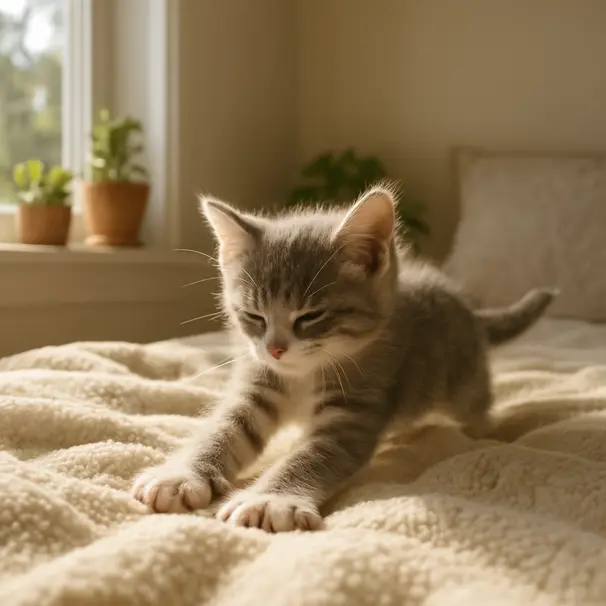
- Soft purring, drooling, half-closed eyes: Relaxed and happy.
- Tense body, ears back, fixed stare: Interrupted comfort or confusion. Approach gently.
- Kneading plus biting or aggressive pawing: Could be overstimulation or a sign they want space.
If your cat kneads while staring at you and purring, they’re likely happy and bonded. If they knead and then abruptly bite or scratch, they may be signaling their tolerance has limits.
Practical tips for enjoying kneads without scratches
Kneading feels wonderful, but claws can be sharp. Here are friendly, practical steps to keep both of you comfortable.
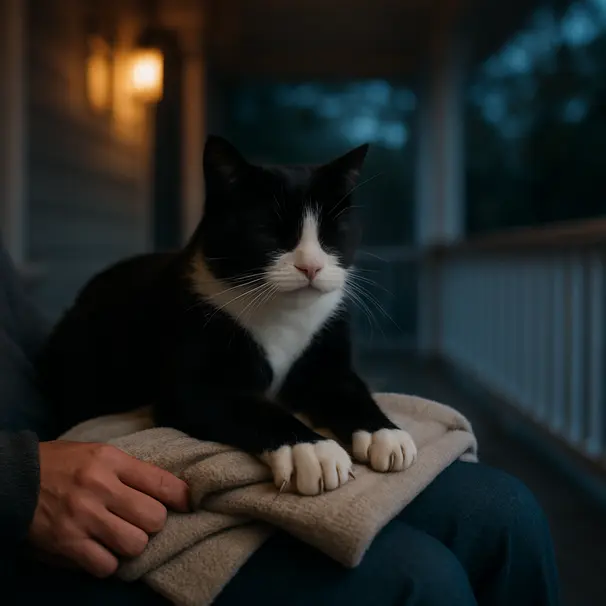
- Offer a barrier: A soft towel or lap blanket absorbs pressure and blocks claws. Keep a small, cozy blanket handy on the couch.
- Teach gentle boundaries: If a cat claws deeply, stop petting and shift them gently. Over time many cats learn softer kneading if they don’t get a reaction to hard scratching.
- Trim nails regularly: Consider trimming nails every few weeks or asking a groomer or vet to show you how. Use positive rewards and patience.
- Consider soft nail caps: Veterinary-approved caps like Soft Paws can be an option for particularly sharp nails. Discuss with your vet or a trusted carer first.
- Provide alternatives: Place a plush pillow or blanket nearby so the cat has a dedicated kneading spot.
For carers: meeting someone else’s kneading cat
If you’re a pet carer meeting a new cat, kneading can be a lovely sign of trust. Follow these steps to build rapport safely.
- Let the cat approach you and show you their teeth in a relaxed way. Kneading may follow once they feel safe.
- Offer your lap only if you’re comfortable. Keep a towel handy until you know their nail habits.
- Ask the owner about the cat’s kneading routine and nail care. Some cats only knead during feeding or napping routines.
- If the cat begins to overstimulate, pause contact and give space. Recording the behavior in a notes app can help the owner and future carers.
When kneading might signal an issue
Most kneading is normal. Still, certain patterns may suggest stress, pain, or discomfort.
- Suddenly increased kneading with restlessness could indicate anxiety.
- Kneading accompanied by vocal distress, avoiding food, or hiding may need a vet check.
- If a cat kneads one spot obsessively and causes skin irritation, consider a vet or behaviourist.
If you notice major changes in behavior, consider contacting a vet. Use cautious language, like “this may warrant a check,” and avoid making medical claims. A professional can rule out pain or skin issues that may be altering normal behavior.
How to encourage gentle kneading and bonding
If you love being the object of kneading, there are gentle ways to reinforce it and protect yourself.
- Create a ritual: Sit in your usual spot and offer a soft blanket when the cat shows interest. Rituals help cats feel safe.
- Reward calm: After a kneading session, offer a quiet treat or gentle praise to reinforce calm behavior.
- Keep your posture relaxed: Cats read body language. A soft, still lap encourages longer, softer kneads.
- Rotate surfaces: Provide several appealing kneading spots to prevent overuse of one area.
Trimming nails and grooming tips for kneaders
A practical grooming routine can make kneading sessions safer and more enjoyable.
- Frequency: Trim nails every two to four weeks, depending on the cat. Some active cats wear nails down naturally, others need regular trims.
- Introduce slowly: Start by handling paws for short sessions, reward with treats, and stop before the cat gets annoyed.
- Tools: Use cat-specific nail clippers and a scratch post for natural wear. If you’re unsure, ask a groomer or vet for a demonstration.
- Professional help: If trimming stresses the cat or owner, a groomer or veterinary nurse can help.
Kneading across life stages
Kittens often knead more frequently due to nursing memories. As cats mature, the behavior can remain or fade.
- Kittens: Kneading is common and tied to comfort and feeding. Socialization makes a difference.
- Adults: Kneading is often a sign of contentment and bonding. Older cats may knead less due to joint stiffness.
- Seniors: If an older cat changes kneading habits suddenly, consider a vet visit to check joints or pain.
Quick troubleshooting guide
- Problem: Cat claws too hard. Solution: Lay a blanket over your lap, trim nails, offer alternatives.
- Problem: Cat kneads then bites. Solution: Pause contact earlier, watch for warning signals, allow breaks.
- Problem: Excessive kneading or restlessness. Solution: Note context, enrich environment, consult vet if other symptoms appear.
Enrichment ideas that can help reduce anxious kneading
Sometimes kneading increases with stress or boredom. Try these enrichment ideas.
- Rotating toys and puzzle feeders to keep the mind engaged.
- Safe window perches for birdwatching and environmental stimulation.
- Quiet play sessions before rest to burn excess energy.
- Comfortable, heated beds for older cats who might knead more to get warm.
These steps can help your cat feel calmer overall, which may reduce frantic or obsessive kneading.
When to involve a veterinarian or behaviourist
Kneading is usually benign, but seek professional advice if you notice:
- Sudden, drastic changes in kneading frequency.
- Kneading plus pain signs, limping, or fever.
- Excessive drooling or skin damage at the kneading site.
A vet can check for underlying medical causes. If the vet rules out medical issues, a feline behaviourist can help with targeted strategies.
A few personal tips from pet carers
- Keep a soft lap towel in your carer bag. It saves clothes and signals to a cat that the surface is safe.
- Offer quiet affirmation. Cats often respond to calm voices and still hands.
- Document patterns. A short log helps owners and carers notice triggers or improvements.
Final thoughts: enjoy the biscuits
Kneading is one of those small cat rituals that feels intimate and sweet. It’s rooted in kittenhood, comfort, scent, and social bonding. With a few practical strategies—blankets, nail care, and gentle boundaries—you can enjoy those biscuits without worrying about claws or stress.
If something feels off, don’t hesitate to consult a vet. Otherwise, tilt back, relax, and savour the tiny rhythmic presses of a content cat. You’re being trusted, and that’s a big compliment.
Thank you for caring. If you share or pet-sit, leave a note for the next sitter about the cat’s kneading habits. Little details like that make a big difference to feline comfort and a harmonious home.