

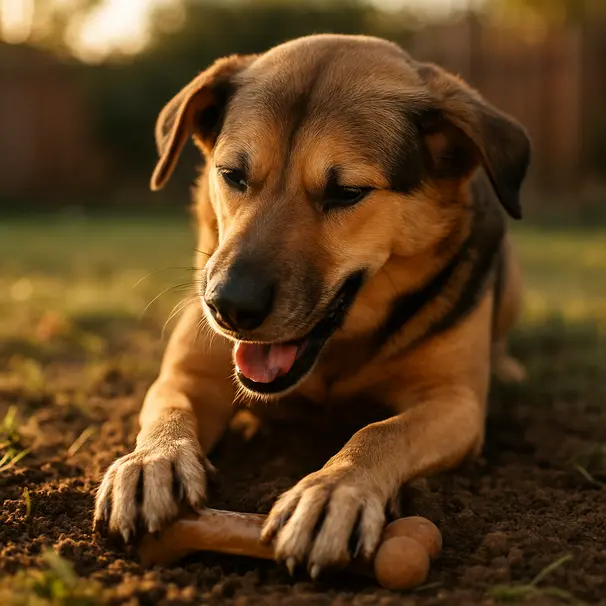
Why do dogs bury bones and their toys?
It can look mysterious the first time you find your pup’s favorite toy half buried under the couch or in a patch of dirt. For a lot of dogs, hiding items is perfectly normal. It’s a behavior rooted in thousands of years of evolution, blended with individual personality, learning history, and the environment they live in.
In this post you’ll get clear, practical explanations for why dogs stash things, how to tell if it’s harmless or a sign of stress, and friendly tips pet owners and carers can use to manage or redirect the habit. There are short training ideas, enrichment suggestions, and gentle safety reminders so everyone stays comfortable and secure.

The roots of the behavior: instinct and ancestry
Long before domestication, wild canids buried food to hide it from scavengers and to keep it safe for leaner times. That same instinct lives on in many pet dogs. Even when food is plentiful, the urge to tuck away valuables can remain. The behavior may be stronger in some breeds or in individual dogs who are particularly food-driven.
Another part of the story is resource management. When dogs feel the need to protect an item from others, they may bury it. Puppies often practice burying as part of natural exploration and play. Over time, what starts as curiosity can become a regular habit.
Other common reasons dogs bury things
- Security and protection: Stashing a bone or toy may make a dog feel safe. If a dog is in an unfamiliar home or around new dogs, digging or hiding may help them cope.
- Save-for-later strategy: Even if you feed consistently, some dogs still want to set things aside for later, an echo of seasonal scarcity.
- Attraction to texture and scent: Soft soil, carpet fringe, or a blanket can feel satisfying under paws. And strong scents, like tasty chews, encourage burying.
- Boredom and play: For many dogs, digging and hiding are simply fun. It’s a physical outlet and an enriching activity that gives them a job to do.
- Attention-seeking: If burying reliably gets a reaction from people, that reaction can reinforce the behavior. Some dogs learn that hiding something leads to interaction.
How to tell normal burying from stress-related behavior
Not all burying is the same. Here are signs that the habit is healthy, and signs that it may need attention.
Healthy burying looks like:
- Occasional stashing during play or after a meal
- Calm body language: relaxed face, wagging or neutral tail
- The dog is easily redirected with toys, treats, or play
Worrying signs include:
- Repeated, frantic digging or hiding that seems obsessive
- The dog becomes tense, growls, or guards the stash aggressively
- Burying accompanied by other stress signs: pacing, trembling, loss of appetite
- New burying behavior after a major change like a new animal, a move, or a household disruption
If you see guarding combined with aggression or the behavior seems compulsive, consider consulting a vet or a certified behaviorist. Use wording like “consider a vet check” or “this may be a sign” rather than assuming a medical diagnosis.
Practical, friendly steps to manage or redirect burying
- Offer regular mental and physical exercise
A tired dog is less likely to dig as an outlet. Daily walks, play sessions, and short training drills can help. Try mixing in scent games that let them ‘hunt’ rather than hide valuable items.
- Create safe chew and stash stations
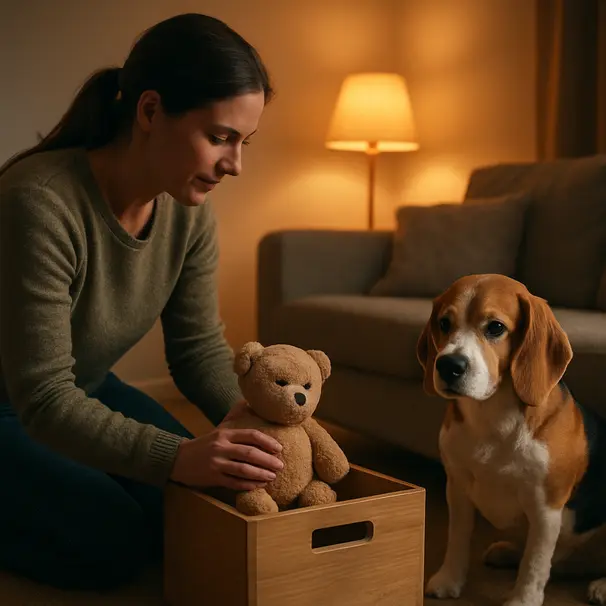
If your dog likes to keep things, give them a special box, blanket, or soft bed where they can tuck toys without damaging floors or gardens. Make the area cozy so the dog prefers this stash spot over hiding things elsewhere.
- Teach reliable trade and drop skills
Training a calm “drop it” and a happy swap helps you manage prized items without conflict. Reward the dog with another toy or a treat so trading becomes a good experience. Positive reinforcement makes these exchanges smooth.
- Supervise and rotate toys
When you can’t supervise, consider putting high-value toys away. Rotate toys to keep play fresh and reduce the urge to protect any single favorite.
- Manage the environment
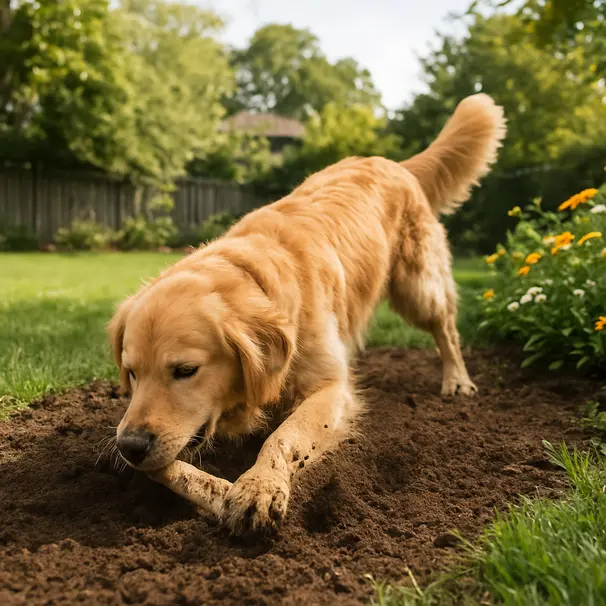
If your dog digs in a specific flowerbed or under the fence, block access temporarily while you teach alternative behaviors. Use deterrents that are safe and humane, like garden mesh or raised beds that keep soil out of reach.
- Avoid reinforcing guarding
If your dog growls or snaps over buried items, don’t punish them for the guarding. Instead, work on training in low-pressure situations and consider professional help. Punishment can increase anxiety and worsen guarding.
Training ideas to channel burying positively
Treasure hunts: Hide treats or toys around the house or yard and cue the dog to find them. This satisfies the bury-and-recover instinct but keeps you in control.
Scent work basics: Teach your dog to find a specific scent item. It provides mental challenge and uses the same instincts in a structured way.
Dig boxes: For dogs who love to dig, set up a designated box filled with soil or sand and bury toys there. Praise and play when they use it.
Stash swaps: Practice giving a toy, then asking for it back with a cue, and offering a different toy or treat. This builds confidence around trading prized items.
When burying becomes a safety issue
There are times to be more cautious. Some objects can be dangerous if chewed, swallowed, or buried and later dug up by children or other pets. Keep small, sharp, or easily swallowed items out of reach. If your dog is burying medications, electronic cords, or anything hazardous, remove access immediately and secure the area.
If your dog has persistent guarding around buried items that includes snapping or biting, slow, professional help is a safer path than trying to fix it yourself. A behaviorist can assess triggers and recommend gradual desensitization and training plans.
How carers can help when looking after a dog who buries things
If you’re a pet carer on Floofy looking after a dog that buries things, a few thoughtful steps will make the stay comfortable:
- Ask the owner about the dog’s stash habits and preferred hiding spots.
- Maintain the dog’s regular routine for meals and walks to reduce stress.
- Provide safe alternatives like a special box or a rotated toy.
- Use training cues the owner prefers for drops or trades so the dog stays consistent.
- Report any guarding or new behaviors promptly to the owner.
Being calm, predictable, and resourceful helps a dog feel safe and reduces the chance of unwanted digging or guarding.
Enrichment activities that satisfy burying instincts
- Frozen stuffed Kongs or puzzle feeders: They take time to work through and are highly rewarding.
- Hide-and-seek: Hide a favorite toy and encourage the dog to find it with excited praise.
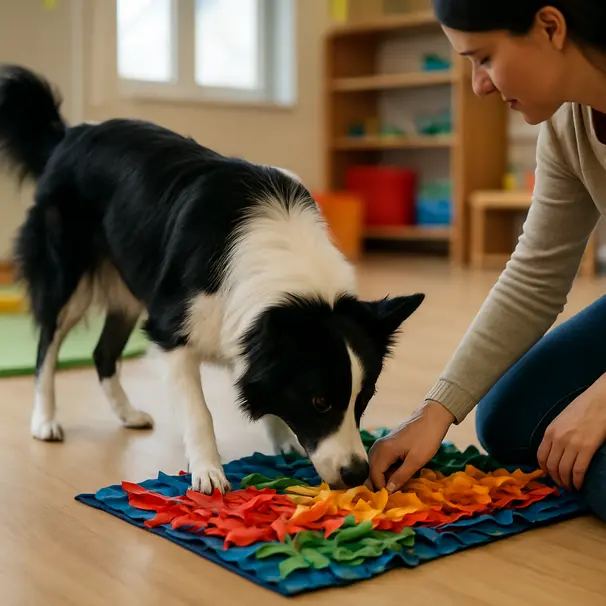
- Foraging mats: Scatter kibble or treats in a mat so your dog sniffs and works for small rewards.
- Supervised supervised backyard digging session: Let your dog dig in a predesignated area, with praise when they stay in the zone.
These options give dogs the mental and sensory stimulation they were bred for, while keeping the household intact.
Seasonal and environmental considerations
Some dogs are more prone to burying in certain seasons. Warm weather makes soil easier to dig, while cold seasons might suppress the urge. Moving to a new home or adding a new pet can trigger burying due to uncertainty. Watching context helps you decide whether the behavior is fleeting or worth addressing.
Quick troubleshooting checklist
If you’re trying to pinpoint why a dog is burying, check this list:
- Has anything changed in the home recently?
- Is the dog getting enough exercise and mental stimulation?
- Are high-value items easily accessible?
- Is there any sign of guarding or aggression around buried items?
- Could the behavior be boredom-driven or stress-related?
Answering these questions narrows down your best next step, whether it’s enrichment, training, or seeking professional advice.
Gentle ways to respond in the moment
- Stay calm. Excitement or anger can turn a simple stash into a tug-of-war.
- Use high-value trade: offer a tasty treat for the buried item, then praise warmly when the dog exchanges it.
- Redirect to a designated activity like a foraging game or a relaxed grooming session.
- Avoid yelling or grabbing, which can increase guarding or anxiety.
Final thoughts and takeaways
Burying bones and toys is often a natural, harmless behavior that connects dogs to their instincts. For most pets it’s a quirky habit, sometimes practical, sometimes playful. With a little understanding and a few management strategies, pet owners and carers can make this behavior safe and even enjoyable for the dog.
Keep an eye on the context and look for signs of stress or guarding. Provide enrichment that channels the urge into positive activities, and consider professional support if the behavior includes aggression or becomes compulsive. Small changes—like a special stash box, regular scent games, or consistent trade training—often make a big difference.
Above all, treat the digging and hiding as part of your dog’s personality. A warm, patient approach will help them feel secure and happy, and you may even find their little rituals endearing.
If you’re worried about sudden changes in your dog’s behavior, consider a vet check or consult a certified behaviorist, who can help tailor a safe, effective plan.