

A grape-sized mystery: why pet owners should care
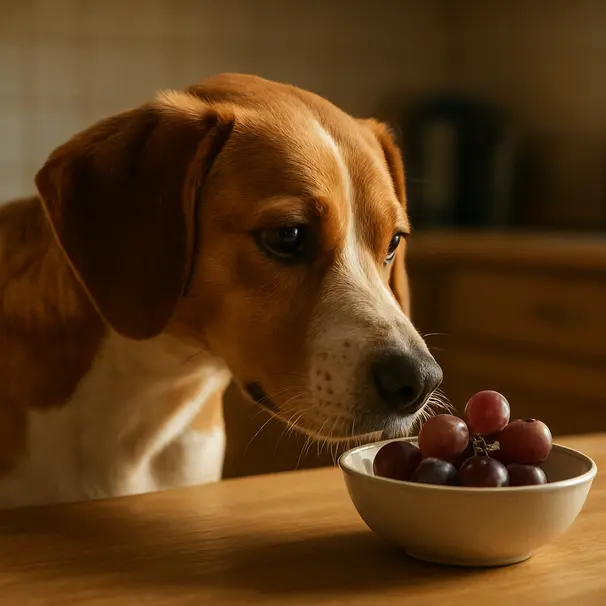
Dogs and grapes have a confusing history. For many of us, grapes are a normal, healthy snack. For dogs, even a small amount of grapes or raisins can sometimes lead to serious illness. The frustrating part is we still don’t fully understand why. Scientists haven’t pinned down a single chemical responsible, and individual dogs react very differently.
That uncertainty can feel scary. The good news is there are clear, practical steps you and carers can take to keep dogs safe, and reliable signs to watch for if a dog gets into a grape stash. This article walks through what we know, what we don’t, and what to do next.
H2 Why grapes and raisins are risky for dogs
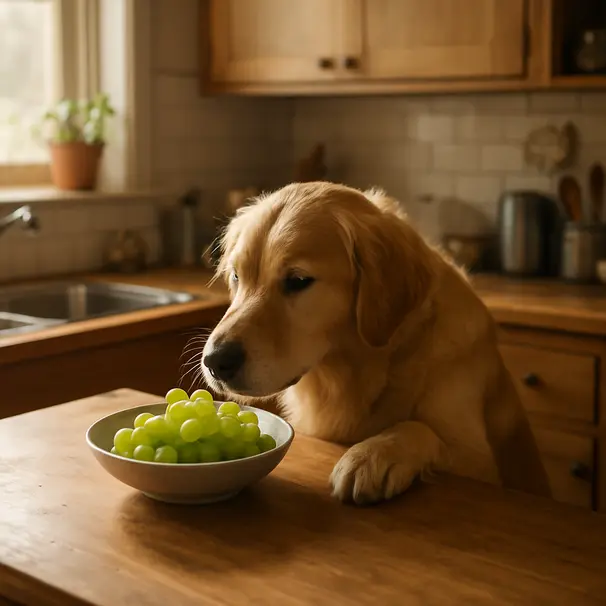
No single explanation has been confirmed, but vets and toxicologists agree: grapes and raisins may cause acute kidney problems in some dogs. The effect appears unpredictable. One dog might nibble a few grapes with no reaction; another might become seriously unwell after the same amount.
Key points to keep in mind:
- The exact toxic compound has not been identified, so safe dose limits aren’t known.
- Dogs vary in sensitivity, possibly due to genetics, size, age, or pre-existing health issues.
- Raisins can be more concentrated than fresh grapes, and dried fruit may be easier to eat in larger quantities.
Given that unpredictability, the safest approach is to avoid feeding grapes or raisins to dogs at all. It’s a simple rule that removes risk entirely.
H3 What experts think
Researchers have offered several possibilities for why grapes cause trouble. Some suggest a naturally occurring toxin in certain grape varieties. Others point to contaminants, pesticides, or fungal agents. Another idea is that some animals metabolize substances in grapes differently, producing harmful byproducts.
Until we have a clear answer, vets treat suspected grape or raisin ingestion as a potential emergency. That’s the safest course for your pet.
H2 Signs and symptoms to watch for
If a dog has eaten grapes or raisins, symptoms may show up within a few hours, or sometimes a bit later. Early symptoms tend to be gastrointestinal, followed by signs related to kidney function.
Common signs include:
- Vomiting, often within a few hours
- Diarrhea
- Loss of appetite or reluctance to eat
- Lethargy and unusual tiredness
- Abdominal pain
- Increased or decreased urination, or difficulty urinating
- Tremors or weakness in more severe cases
Because early signs can be vague, trust your instincts. If your dog acts off after eating grapes, it’s worth calling your vet for advice.
H2 What to do if your dog eats grapes or raisins
Stay calm, and act quickly. Time can matter.
Practical steps to take immediately:
- Remove any remaining grapes or raisins so your dog can’t eat more.
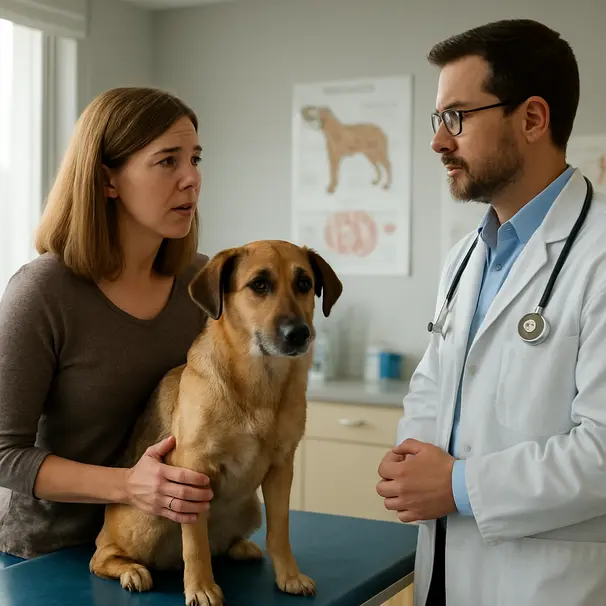
- Call your regular vet or an emergency clinic. Explain what happened, roughly how much was eaten, and your dog’s size, age, and any health issues.
- Your vet may ask you to bring the dog in right away. Do not try home remedies like activated charcoal or inducing vomiting without veterinary guidance.
- If you cannot reach your vet, consider contacting a poison control hotline. Many regions have animal poison control services.
What the vet might do:
- Assess your dog’s condition, weight, and symptoms.
- Monitor kidney function and hydration.
- Provide supportive care as needed, such as intravenous fluids.
Keep in mind: treatments and recommendations can vary depending on timing and the dog’s condition. A vet will guide the best action for your situation, so consider contacting them early.
H2 Prevention: easy habits that protect curious dogs
Prevention is the best medicine. Here are practical, pet-friendly habits to reduce the risk of accidental grape ingestion at home, with sitters, and on walks.
Storage and household rules:
- Keep grapes and raisins out of reach, in sealed containers or high cabinets.
- Avoid leaving bowls of fruit unattended on counters or coffee tables.
- When guests visit, mention your dog’s grape sensitivity explicitly, and politely ask they don’t feed table scraps.
Training and routines:
- Teach a reliable “leave it” or “drop” cue. These commands can be lifesavers if a dog finds grapes outdoors or on the floor.
- Practice impulse control exercises using safe treats. Reward the right behaviour so the cue is strong under distraction.
For carers and sitters:
- Include grape safety in the dog’s profile and written care notes.
- Ask carers to confirm they understand and to remove grapes from their shopping or picnic plans around your dog.
- If using a dog walker or sitter from a marketplace like Floofy, message them directly about specific dietary hazards when booking.
Environment awareness:
- On hikes or at outdoor events, be extra vigilant around food stalls and picnic blankets.
- Remember that baked goods, trail mixes, and holiday desserts may contain raisins. Keep these well away from curious noses.
H2 Safer snack alternatives dogs usually enjoy
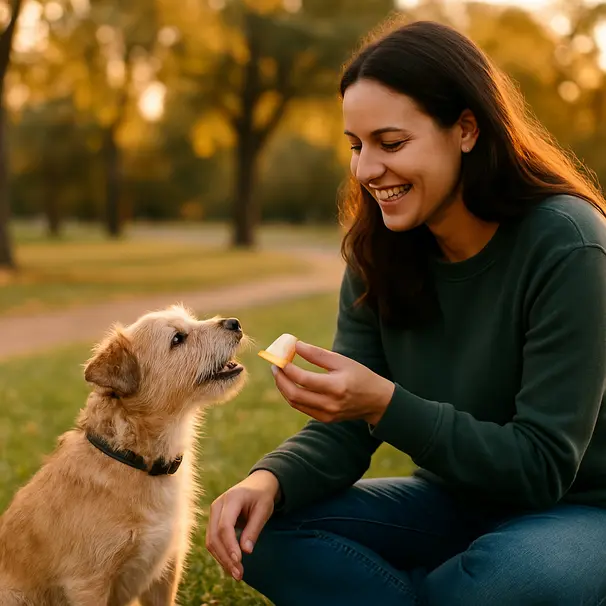
If you like sharing treats with your dog, plenty of safe fruit and vegetable options make great snacks. Introduce new foods slowly and in small amounts.
Dog-friendly treats to consider:
- Blueberries, strawberries, and thin apple slices without seeds
- Bananas, in moderation because of sugar
- Carrot sticks or small pieces of cucumber
- Plain cooked pumpkin or sweet potato, mashed or in small cubes
Avoid sugary, high-fat human treats and anything with added sugar, xylitol, chocolate, or spices. If you’re unsure about a food, check with your vet.
H2 Tips for pet carers and sitters
Pet carers often handle mealtimes and treats, so clear communication is essential. When you’re caring for someone else’s dog, these steps can keep everyone safe and build trust.
Before the first visit:
- Ask for a written list of food restrictions and allergies.
- Request permission to refuse unsolicited treats from guests or household members.
- Confirm emergency contact info and the nearest vet clinic.
During care:
- Keep snacks in a sealed bag or container when not in use.
- Politely remind guests not to share food with the dog, and explain why certain items are off-limits.
- If a dog grabs something they shouldn’t, use calm cues and avoid panic. Call the owner or vet as needed.
Aftercare notes:
- Let owners know about any close calls, even if nothing happened. Transparency helps everyone learn and prevents repeats.
H2 Preparing an emergency plan and kit
A little prep goes a long way. Consider assembling an easy-to-access emergency kit and plan.
What to include in your pet emergency folder:
- Up-to-date contact details for your regular vet and the nearest emergency clinic
- Clear notes about known food sensitivities, including grapes and raisins
- Weight and a brief health summary (medications, chronic issues)
- A copy of the pet’s microchip and ID information
Emergency kit items to consider:
- A leash and secure carrier or blanket for transport
- Phone numbers written down and saved in your phone
- A fresh photo of the dog in case you need it for identification
Having these in place means faster action if something happens. Share the plan with any carers so everyone knows how to respond.
H2 Real-life stories: a few practical lessons
Hearing how others handled grape incidents can be reassuring and instructive.
Quick example 1: Small quantity, fast action A dog snuck a handful of grapes off a counter. The owner called the vet immediately. The vet advised bringing the dog in for observation. Fluids and monitoring were provided, and the dog recovered with no lasting effects. The owner now keeps fruit in a high cabinet and teaches a strong “leave it” cue.
Quick example 2: Raisin danger at a family gathering At a holiday party, a forgotten trail mix bowl was left on a couch. A curious dog ate several raisins. The family couldn’t reach their regular vet, so they headed to an emergency clinic. The dog required overnight monitoring. The family now asks guests to avoid bringing certain foods and uses a temporary baby gate during parties.
These stories underline one thing: fast, calm action and vet contact are the best responses.
H2 Frequently asked questions
Q: Are all dogs affected by grapes?
A: No. Some dogs can eat grapes with no apparent reaction. But because we can’t predict which dogs will be affected, the safest route is to avoid giving grapes or raisins at all.
Q: Is juice from grapes safe?
A: Grape juice could still contain the same compounds that cause issues, so it’s best to avoid sharing any grape-based products with dogs.
Q: How much is dangerous?
A: There’s no established safe dose. Even small amounts can cause trouble in sensitive dogs, so any ingestion warrants a call to your vet.
Q: Can I try to make my dog vomit at home?
A: Don’t attempt to induce vomiting without veterinary guidance. In some situations it can help, but in others it may cause harm. Always call a vet first.
H2 Final thoughts and a gentle reminder
Grapes and raisins are one of those human foods that don’t belong in a dog’s bowl. The science isn’t complete, and that uncertainty is why we take a cautious approach. With a few simple habits and a clear plan, you and your carers can prevent accidental ingestion and act quickly if it happens.
Be kind to yourself if an incident occurs. Mistakes happen in busy homes. The important parts are staying calm, contacting a veterinary professional, and learning from the close call.
If you use pet carers or sitters from a platform like Floofy, include explicit dietary notes and emergency contacts in the booking details. Clear communication keeps dogs safer and gives carers confidence.
Thanks for reading, and here’s to safe snacking and happy, healthy dogs.