

Why dogs drool: the basics
If you share your life with a dog, you’ve probably wiped a chin or two. Drooling, or the production of excess saliva, is perfectly normal for lots of dogs. It happens for very different reasons, from excitement to simple anatomy. Understanding the common causes helps you tell when a bit of slobber is harmless and when it might mean a problem.
Natural reasons dogs drool
- Breed and anatomy, Certain breeds produce more saliva because of loose lips, deep jowls, or facial folds that collect drool. Think Mastiffs, Saint Bernards, and Newfoundlands. Their faces are built in a way that lets saliva pool and drip.
- Anticipation and excitement, When your dog sees food, a favorite person, or a toy, saliva production can ramp up. That eager, happy drool is usually brief and tied to the stimulus.
- Heat and panting, Dogs cool themselves by panting, and heavy panting can come with extra drool. On hot days or after exercise, expect more moisture around the mouth.
- Nausea and motion sickness, Just like people, dogs can salivate more if they feel nauseous. Car rides, certain medications, or stomach upset may cause this.
Medical reasons to consider
Drooling can also be a sign of health issues. These are less common than the natural causes, but worth knowing about.
- Dental disease, Infections, broken teeth, or painful gums may increase saliva and make your dog avoid eating. You may notice bad breath, pawing at the mouth, or reluctance to chew.
- Mouth injuries or foreign objects, Sticks, bones, or plant material can lodge in the mouth or throat. That can trigger drooling and discomfort.
- Toxins and poisons, Some plants, chemicals, or foods are irritating or toxic and can cause profuse salivation. Chocolate and certain human medications are classic examples to avoid.
- Neurological or systemic illness, Conditions that affect swallowing or nerve function may change normal saliva control. These cases usually come with other symptoms.
When drooling is probably nothing to worry about
Most drooling is situational. Here are situations where a little drool is almost always okay.
- Short bursts tied to food or play, If your dog drools at mealtime or when excited and quickly returns to normal, it’s usually fine.
- Mild drooling after exercise, A bit more moisture after a run or romp is expected.
- Consistent drooling in drooly breeds, If you have a breed known for slobber and your dog is otherwise bright, eating well, and active, it’s likely just part of their charm.
Pay attention to how the drooling fits into your dog’s overall health. If everything else looks normal, you can often handle this at home.
When to worry: red flags that need attention
Some signs mean it’s time to call a vet. Consider contacting a professional if you see any of the following.
- Sudden, excessive drooling that’s new for your dog, This could point to a foreign body, oral injury, or sudden nausea.
- Drool that’s bloody, dark, or contains pus, Any abnormal color or smell may indicate infection or trauma.
- Difficulty swallowing or choking sounds, These suggest something is stuck or the throat is compromised.
- Signs of pain, reluctance to eat, or pawing at the mouth, Dental problems and injuries often cause these behaviors.
- Drooling plus vomiting, fever, collapse, wobbliness, or behavior changes, These combinations suggest a more serious illness and warrant prompt veterinary evaluation.
What to do at home right away
When your dog starts drooling more than usual, a calm approach helps. Here are practical steps you can try while you decide whether to call the vet.
- Stay calm and observe, Note when the drooling started, whether it’s constant or intermittent, and any other symptoms like vomiting, coughing, or lethargy. This information helps your vet.
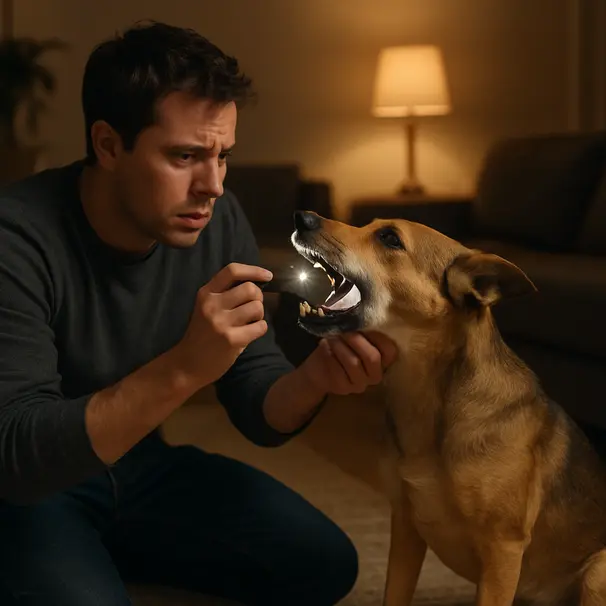
- Look in the mouth, If your dog lets you safely, gently check for visible objects, swollen gums, broken teeth, or cuts. Use a flashlight and be ready for a startled bite. If your dog resists, stop and seek professional help.
- Remove hazards, Take away anything your dog might chew that could irritate the mouth or be toxic. Keep plants, medications, and household chemicals securely stored.
- Offer fresh water, Drooling can leave a dog dehydrated. Fresh, cool water encourages drinking and can help dilute mild stomach irritants.
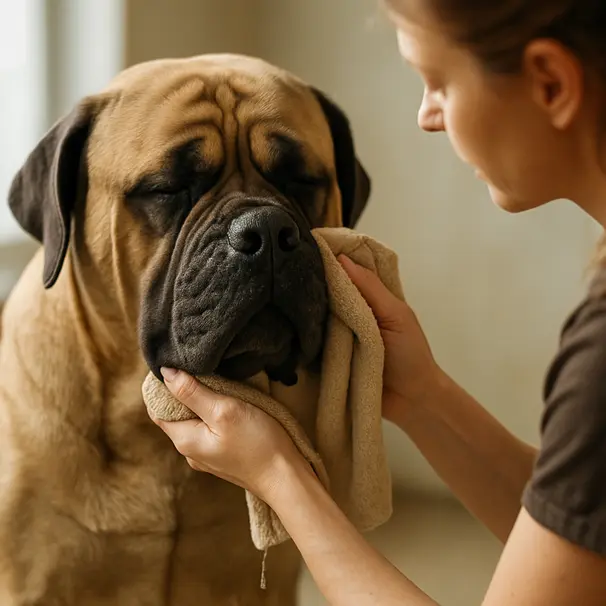
- Clean up with care, Use a soft towel to wipe the chin and neck. If skin gets wet from drool often, dry it to prevent irritation or yeast infections.
- Monitor temperature and breathing, If your dog feels unusually hot or is breathing rapidly, move them to a cooler spot and consider contacting an emergency vet.
When to contact your vet
If the red flags above appear, reach out to your veterinarian. Try these guidelines to help decide how urgent it is.
- Call your regular vet during office hours if the drooling is increased, persistent, or accompanied by mild symptoms like decreased appetite.
- Contact an emergency clinic right away for severe signs such as choking, blood in drool, collapse, severe vomiting, or inability to swallow.
- If you suspect poisoning, call an emergency vet or a pet poison helpline immediately. Have information handy about what your dog might have eaten and approximate timing.
When you call, be ready to describe your dog’s age, breed, recent activities, any possible exposures, and changes in behavior. Photos or short videos of the drooling or of your dog’s mouth can be very helpful.
Practical care and longer-term solutions
Once immediate risks are ruled out, these steps can make life easier for you and your dog.
- Dental care, Regular dental checks and cleanings can prevent gum disease and painful teeth, which may reduce drooling. Brushing at home, dental chews, and professional cleanings are options to consider.
- Manage facial folds, For breeds with skin folds, gentle daily cleaning with a damp cloth and careful drying can prevent moisture-related skin problems.
- Adjust feeding routines, Elevated bowls may help some dogs, while softer food can be easier for those with dental pain. Observe what works best for your pet.
- Training and enrichment, If excitement causes drooling, training to lower arousal around doorbells, visitors, or mealtimes can reduce saliva production. Calm routines and mental stimulation can help.
- Travel prep, If your dog drools in the car, consider window shades, vented crates, or short breaks to make travel less stressful.
Tips for pet carers and sitters
As a pet carer, you’ll often be the first person to notice changes. These tips help you respond with confidence.
- Communicate clearly with owners, Ask about a dog’s baseline drooling, known triggers, and any medical history. Note preferred handling methods and emergency contacts.
- Pack cleanup supplies, Carry a towel, wipes, and a small plastic bag for wet gear. Quick cleanup keeps dogs comfortable and your vehicle clean.
- Keep a calm environment, New people and places can increase stress drooling. Slow introductions and predictable routines help dogs settle.
- Know local vets, Have contact details for the owner’s vet and a nearby emergency clinic. If something feels off, checking in early is better than waiting.
Preventive habits that can help
A few simple habits can reduce the frequency and impact of drooling over time.
- Regular checkups, Annual vet visits can catch dental and medical issues early. Consider more frequent checks for senior dogs or drooly breeds.
- Keep a drool-friendly kit, Store towels, pet-safe wipes, a spare collar, and a small sealing bag near doors or in your car.
- Grooming routine, Trim facial hair around the mouth gently if matting or drool sores are a problem. Work with a groomer who understands breed-specific needs.
Quick troubleshooting checklist
If your dog is drooling more than usual, run through this checklist quickly.
- Is the drooling tied to food or play? If yes, watch and wait.
- Any visible foreign object or injury in the mouth? If so, seek help.
- Is the drool discolored, bloody, or smelly? Call your vet.
- Are there other symptoms like vomiting, weakness, or trouble breathing? Seek emergency care.
Final thoughts: drool with perspective
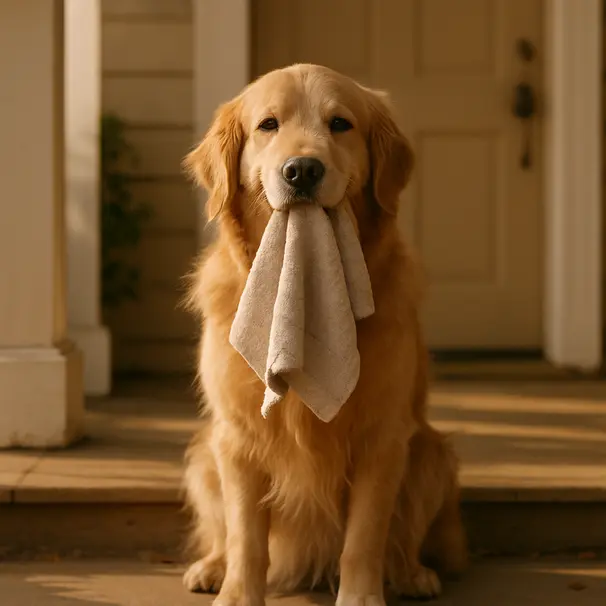
Some dogs are natural droolers and it’s part of their charm. For owners and carers, a little patience and a good towel go a long way. At the same time, drooling can be an early clue to something that needs attention. Trust your instincts, keep notes about what you see, and don’t hesitate to contact a vet if anything seems off. With a calm, practical approach you can keep drooly pups comfortable, healthy, and happily by your side.
- Helpful resources and next steps, If you need a vet appointment or a trusted carer who knows how to handle drooling breeds, Floofy connects you with local pet carers and professionals who understand these everyday challenges.