

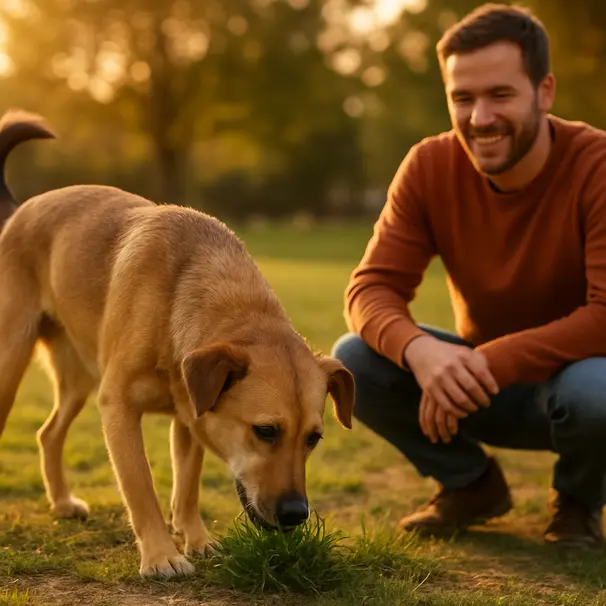
Why dogs eat grass, and whether it matters
You spot your dog chewing on grass during a walk, and your first thought might be worry. Is it strange, gross, or a sign of a problem? The short answer is: it can be normal, but context matters. Dogs eat grass for many reasons, and most of the time it isn’t a medical emergency. This article walks through the likely explanations, tips to keep your dog safe, signs to watch for, and practical steps carers can take.

Common reasons dogs eat grass
Dogs are individuals, and their motives can vary. Here are the most common reasons owners and carers notice this habit.
1. It might be instinctual
Wild canids sometimes eat plant material. Eating grass could be an inherited behavior from ancestors. Some dogs appear to graze simply because the texture or taste is appealing. It’s not a reason to panic, more a reminder that dogs explore the world with their mouths.
2. Taste or texture
Some dogs seem to enjoy the crunch or fresh scent of grass. If your dog tends to be curious about new smells and textures, nibbling a green patch can be a sensory activity, similar to how we enjoy a crunchy snack.
3. Boredom or habit
When dogs are under-stimulated, they find things to do. Chewing grass can be a self-soothing, repetitive behavior. Increased exercise, playtime, and mental challenges can help reduce this kind of grazing.
4. Attention seeking
If nibbling grass triggers a big reaction from you, your dog may learn that it gets attention. Even a brief scolding can reward the behavior with attention. Positive redirection tends to work better than punishment.
5. Digestive upset or nausea
Some dogs eat grass before or after vomiting, which has led people to think it helps them vomit. Research is mixed, and not all dogs vomit after eating grass. If your dog occasionally eats grass and then throws up once, it may be a response to mild tummy discomfort. If vomiting is frequent or severe, consider a vet visit.
6. Nutritional curiosity
Some dogs may seek certain nutrients or fiber, and grass provides roughage. It may also be a response to a temporary imbalance in diet. Before changing food, think about offering balanced diets and safe plant-based fiber options.
Is grass eating normal or problematic?
For many dogs, occasional grass chewing is normal. Key factors to consider are frequency, the amount eaten, and any accompanying symptoms. If your dog grazes now and then and otherwise seems happy and healthy, it may not be a problem.

However, habitual or heavy grass eating, especially accompanied by vomiting, lethargy, diarrhea, loss of appetite, or weight loss, may signal an underlying issue. If you notice worrying signs, consult your veterinarian.
When to be concerned
Watch your dog for these red flags. If any apply, contact a vet or trusted carer right away.
- Repeated vomiting or diarrhea after eating grass.
- Blood in vomit or stools.
- Signs of pain, bloating, or distress.
- Sudden changes in appetite or behavior.
- Eating large quantities of grass regularly.
- Grazing in areas treated with pesticides, herbicides, or fertilizers.
If your dog grazes on grass sprayed with chemicals, treat it like a potential poisoning and call your vet or an emergency poison helpline.
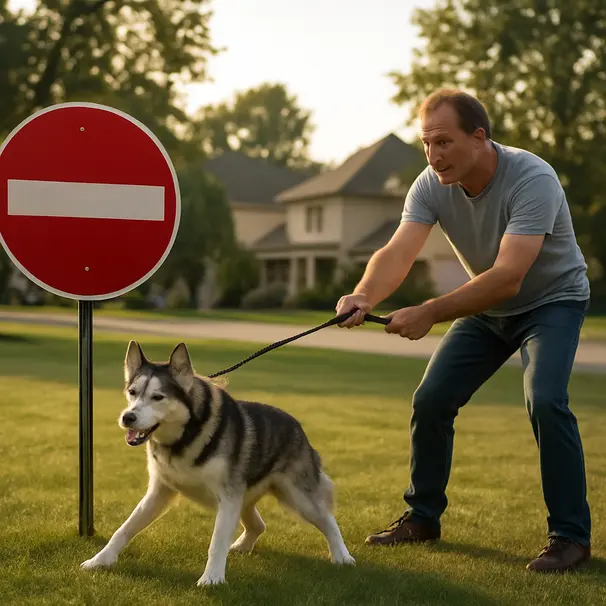
Practical safety tips for owners and carers
You can reduce risks without eliminating all outdoor fun. Here are friendly, practical steps.
- Supervise outdoor time. Keep an eye on what your dog sniffs and chews, particularly in unknown spaces.
- Avoid treated areas. Steer clear of lawns recently sprayed with pesticides or weedkillers, and keep dogs away until it’s safe.
- Remove toxic plants. Know local plants that can be harmful, and make sure your yard and regular walking routes are clear.
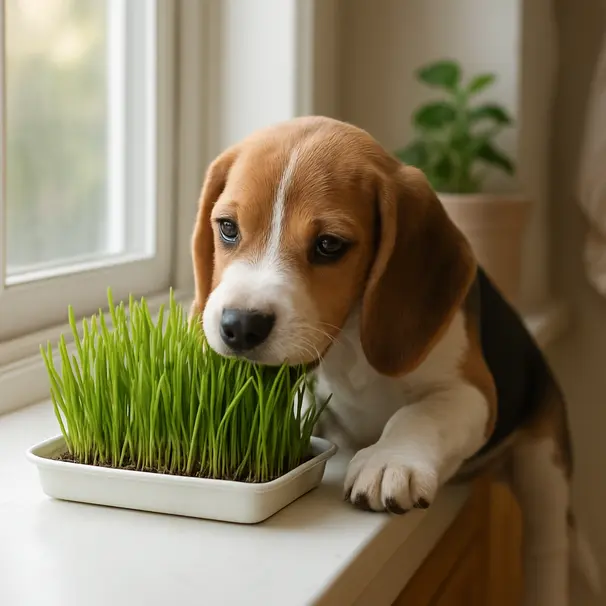
- Offer safe grass alternatives. Many owners grow small pots of pet-safe grass indoors for dogs that like to chew greenery. It can be a good distraction and cleaner option.
- Increase enrichment. More walks, puzzle feeders, training games, and playtime can reduce boredom-driven grazing.
- Check the diet. If grazing seems new or more intense, talk to your vet about diet and whether a dietary change or fiber supplement may help.
- Use positive redirection. When you catch your dog chewing grass, calmly offer a toy or treat. Praise them for stopping rather than scolding.
What to do if your dog eats a lot of grass
If it was a small amount and your dog is fine, monitor them. If they vomit once and recover, give them water and rest. If there are persistent symptoms, or if the grass was clearly contaminated, reach out to a vet for guidance.
If you suspect chemical exposure, do not wait. Bring a sample of the grass or note the product name if possible. Your vet may advise bringing your dog in for observation.
Alternatives and enrichment ideas
If grazing is a habit, swap in safer, fun activities. These can fill time and satisfy your dog’s need to chew or explore.
- Chew toys and durable treat dispensers, kept rotated to remain novel.
- Scent games like hiding treats in folded towels or treat puzzles.
- Supervised digging boxes filled with toys or treats for dogs that love to root around.
- Short training sessions to burn mental energy and strengthen your bond.
- Indoor pet grass trays, kept clean and fresh, to give a safe green option when the weather is bad.
Tips for pet carers and sitters
As a carer, you play a key role. Here are quick, practical habits to follow while looking after someone else’s dog.
- Ask about grazing. When you meet a dog, ask the owner if the dog eats grass and whether it’s normal for them.
- Check the yard. Make sure the area is free of toxic plants and chemicals.
- Carry distractions. Bring a couple of favorite toys or high-value treats for redirection on walks.
- Communicate any changes. If a dog begins eating more grass or shows symptoms, tell the owner promptly and suggest veterinary advice if needed.
Simple home checklist for owners and carers
- Is the lawn recently treated with chemicals? If yes, restrict access.
- Are there poisonous plants on the walk route? Avoid those spots.
- Has the dog changed diet or routine recently? Note any connections.
- Does the dog vomit or seem unwell after grazing? If yes, see a vet.
Common questions answered
Q: Will eating grass make my dog sick?
A: Most of the time, a small amount won’t cause lasting harm. Occasional vomiting after eating grass can happen. If your dog shows repeated sickness or other concerning signs, consider veterinary advice.
Q: Should I try to stop my dog from eating grass?
A: You can gently discourage it, especially in risky areas. Focus on redirection and enrichment rather than punishment. If grass eating is extreme or linked to illness, talk to a vet.
Q: Is it okay to let my dog eat grass at a park?
A: If the park is known to be pesticide-free and the dog is otherwise healthy, occasional grazing is usually low risk. Supervise closely and avoid areas with chemical treatments.
Final thoughts, with a little reassurance
Seeing your dog munch on grass can be surprising, a little funny, or a cause for concern. Most of the time it is harmless, and many dogs do it occasionally for texture, taste, or mild tummy relief. The important things are observation and context. Keep an eye on how often your dog grazes, note any symptoms, and remove obvious hazards. If you ever feel unsure, your veterinarian is the best person to consult.
Carers on Floofy can help by supervising, redirecting, and reporting behavior changes to owners. With a bit of vigilance, simple enrichment, and good communication, grass eating is usually manageable and often just another quirky canine habit to smile about.
If you want a quick checklist to leave with a sitter, here are the essentials:
- Note any allergies or known plant sensitivities.
- Mark treated areas of the yard on a map or with signs.
- Leave preferred toys and treats for redirection.
- List the vet’s contact details and an emergency plan.
Thanks for caring for your dog the way they care for you, with honesty, patience, and plenty of ear scratches. If grazing becomes a real worry, reach out to a vet, and if you need help finding a trusted carer, Floofy is here to connect you with people who understand every quirky canine habit.