


Why do dogs eat grass?
You spot your dog bending down to nibble on the lawn, and your first thought might be, “Why?” It’s a common sight and one that makes many pet owners scratch their heads. Dogs eating grass is surprisingly normal. They may do it occasionally out of curiosity, because the texture pleases them, or because of mild stomach upset. Some dogs simply like the taste or the act of chewing green things.
Scientists and veterinarians have offered several ideas, and most are gentle suggestions rather than firm diagnoses. A few likely reasons include:
- Curiosity and taste: Grass can be interesting to explore, especially for young dogs, and some enjoy the crunchy mouthfeel.
- Digestive relief: Dogs may nibble grass if they feel slightly off. It can help them vomit, or it may simply soothe their stomach temporarily.
- Boredom or habit: If walks and enrichment are limited, grazing can fill time or provide attention.
- Nutritional searching: Some dogs may seek fiber, salt, or certain micronutrients, though this is less common.
- Social or learned behaviour: Puppies can copy older dogs, or an owner’s reaction might reinforce the habit.
It helps to think of grass-eating on a spectrum. An occasional, brief snack is usually not a big deal. Frequent, obsessive, or risky grazing deserves closer attention.
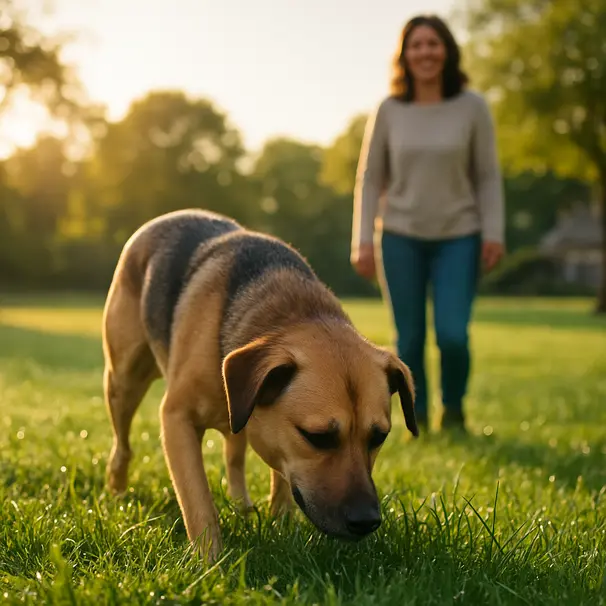
Is grass-eating normal or harmful?
Many dogs eat grass and feel fine afterward. Studies that have asked owners about the behaviour found a lot of dogs do it occasionally, and in many cases it doesn’t lead to illness. Still, grass isn’t designed as dog food, and there are a few concerns to keep in mind.
Potential issues to consider:
- Chemicals and pesticides. Lawns treated with weed killers, fertilizers, or pesticides can be toxic. If your dog grazes on treated grass, consider contacting your vet and noting the product used.
- Pesticide-free doesn’t mean harmless. Some household plants are poisonous to dogs, and a green chew could include clovers or plant sprouts that upset a sensitive gut.
- Parasites and bacteria. Soil and grass can carry parasites or bacterial contaminants, especially in areas frequented by other animals.
- Excessive grazing. If your dog chews grass compulsively, it can cause stomach irritation or indicate an underlying problem like nutrient deficiencies or anxiety.
Grass versus other plants
It’s worth drawing a clear line between common lawn grass and other greenery. Ivy, lilies, oleander, and many ornamental plants can be toxic. If a dog shows a sudden interest in vegetation and is unfamiliar with the garden, supervise closely and remove any suspicious plants.
If you suspect a poisonous plant exposure, contact your veterinarian or an emergency poison helpline immediately. Keep pictures of the plant and the timeline of your dog’s symptoms handy.
When to be worried
Most of the time you don’t need to panic. But some signs suggest a vet visit is a good idea, or that urgent attention might be needed. Consider contacting a professional if you notice:
- Vomiting repeatedly or severe vomiting after eating grass.
- Blood in vomit, stool, or unusual discolored drool.
- Significant changes in appetite, drinking less, or refusing food for more than 24 hours.
- Lethargy, weakness, or collapse.
- Sudden weight loss or visible discomfort when touching the abdomen.
- Excessive drooling, shaking the head, or pawing at the mouth.
- Obsessive, repetitive grass-eating that interrupts normal life and doesn’t respond to distraction.
If in doubt, call your regular vet or an emergency clinic. Use cautious language with yourself: say the behaviour “may” indicate a problem rather than assuming it does. A quick chat with a professional can help you decide the next step.

Practical steps for pet owners
You don’t have to resign yourself to endless lawn chewing. There are gentle, practical things you can try at home to reduce the behaviour and improve your dog’s wellbeing.
- Check the yard for hazards
Walk the area at your dog’s level. Look for any unfamiliar plants, recently applied chemicals, sharp objects, or trash. If you treat your lawn, keep dogs off for the recommended safety window and store products securely.
- Upgrade diet quality and routine
Sometimes a simple tweak in feeding can help. A balanced diet with adequate fiber can reduce the urge to forage. Before making big changes, consider discussing diet adjustments with your vet or a nutrition-savvy professional, especially if you suspect a medical cause.
- Increase enrichment
Boredom is a major driver of odd habits. Offer more physical exercise and mental games. Try puzzle feeders, snuffle mats, interactive toys, training sessions, or safe chew items to occupy the mouth and brain.
- Supervise and redirect
On walks or in the yard, keep an eye on your dog. Use a firm but friendly “leave it” or a recall cue, then reward with a high-value treat or toy when they disengage. Over time the dog can learn that ignoring grass leads to better rewards.
- Create safe alternatives
If your dog loves chewing grass, consider growing pet-safe wheatgrass or oat grass in pots. Offer a bit indoors as a controlled, chemical-free option. Some dogs enjoy chewing fresh herbs like parsley in small amounts, but always check safety first.
- Address anxiety and compulsive behaviour
If your dog chews grass when stressed, identify triggers and provide calming strategies. Routine, predictable walks, positive reinforcement, pheromone diffusers, or working with a behaviourist may help. In some cases, medication considered with a vet can make a difference.
Training tips to reduce grass-eating
- Teach a reliable “leave it” cue using treats and a step-by-step approach.
- Reward attention. When your dog looks to you instead of the grass, mark and reward.
- Use short, frequent training sessions, and gradually increase distractions.
- Make the yard less rewarding: remove piles of leaves or tempting mounds, and supervise time outside.
Consistency pays off. Small, frequent wins build trust and reduce grazing over time.
If your dog eats something dangerous
First, try to stay calm. Panic can make it harder to act quickly and clearly. Steps you can take immediately include:
- Safely remove any remaining material from the dog’s reach.
- Save a sample of the plant or packaging, and note how much and when it was eaten.
- Call your veterinarian or an emergency poison helpline. Follow their instructions.
- Don’t induce vomiting unless a vet specifically tells you to do so. Some substances cause more harm if brought back up.
- Monitor breathing, behaviour, and any new symptoms. Be prepared to travel to a clinic if advised.
These are precautionary steps. Many instances of grass-eating need no emergency treatment, but it’s better to check than to assume everything’s fine.
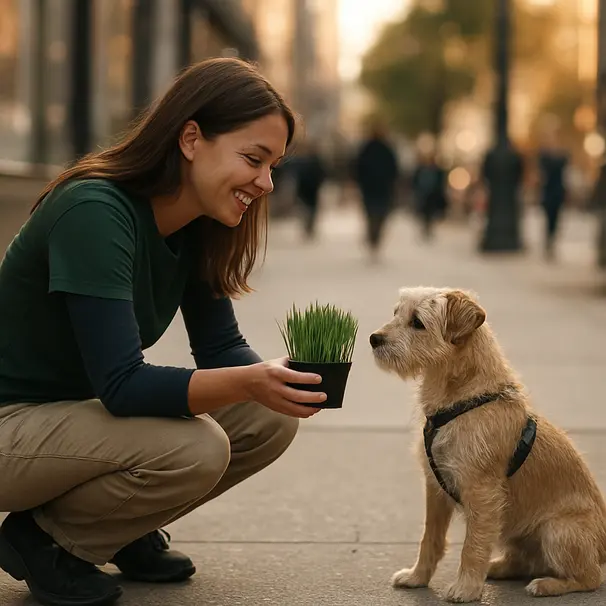
Advice for pet carers and walkers
If you care for other people’s dogs through a service like Floofy, good communication and quick action can make a huge difference.
- Ask owners about their dog’s grass-eating habits, allergies, and medical history before walks.
- Keep a brief checklist on walks: treatment history of the yard, known plant triggers, and emergency contact numbers.
- If a dog eats grass and then vomits, notify the owner promptly and record the timing and description.
- If you notice alarming signs, seek veterinary advice immediately and inform the owner. Don’t downplay symptoms to avoid worry.
- Offer safe alternatives during walks: a short chew break with dog-safe treats, a toy, or a change in route to a different surface.
Pet carers who document incidents and communicate clearly build trust. A simple photo and short note can help an owner decide if a vet check is needed.
When to see a vet regularly
If your dog grazes occasionally and is otherwise healthy, keep an eye on the pattern. Consider a veterinary visit if:
- Grass-eating becomes frequent or compulsive.
- There are concurrent symptoms like weight loss, repeated vomiting, or behavioural change.
- Your dog has a chronic condition that could be affected by diet or foraging.
Your vet may suggest diagnostics or dietary tweaks to rule out medical causes. They can also offer behaviour resources or refer you to a certified dog behaviourist.
Final thoughts
Seeing a dog eat grass can be worrying, but most of the time it’s harmless. Treat it as a clue rather than a diagnosis. Look for patterns, check the environment, and try enrichment and training before assuming the worst. If you spot red flags or feel unsure, reach out to a veterinarian.
As an owner or a carer, small steps—like offering more mental stimulation, supervising outdoor time, and keeping lawns chemical-free—can make a big difference. With patience and observation, you’ll usually find a simple fix, and your dog will be happier and safer for it.
If you’re ever unsure, a quick call to your vet or a note to the pet owner on Floofy can give clarity and peace of mind. Dogs are wonderfully curious, and most grass munching ends with a wag and a nap.