

Why dogs fart: the friendly facts
Flatulence is part of being a dog. It can be funny, a little gross, and sometimes a sign that something needs attention. Dogs produce gas as a normal byproduct of digestion. Most of the time it’s nothing to panic about, but understanding what causes gas can help you keep your pup comfortable and your home less… fragrant.
In this article we’ll walk through the usual suspects, practical steps you can try at home, and signs that merit a vet visit. Expect friendly tips you can use right away, whether you’re a long-time owner, a new adopter, or a pet carer helping someone else’s furry client.

What actually creates gas in a dog’s tummy
Gas forms when food breaks down in the stomach and intestines. Some of the common reasons include:
- Fermentation by gut bacteria. Certain carbs and fibers can be fermented by bacteria, producing gas. This is often normal, but too much fermentation can mean extra toots.
- Swallowed air. Dogs that gulp food or drink fast, or who pant a lot while exercising, may swallow air that later passes as gas.
- Sudden diet changes. New food can temporarily unbalance digestion and lead to more gas until the gut adjusts.
- Food intolerances or allergies. If a dog’s system can’t process a component of their food, that can cause gas and other symptoms.
- Medical issues. Conditions like pancreatitis, inflammatory bowel disease, or parasites can increase gas. These are less common but important to watch for.
Breed, age, and anatomy matter
Some breeds are more prone to swallowing air because of face shape or feeding style. Large, deep-chested breeds may also have different digestion patterns. Puppies often have more unpredictable tummies as they adapt to new diets and environments.
Common gas-triggering foods
Certain foods are more likely to cause gas. Try to spot patterns by keeping a feeding diary for a week or two.
- Dairy: Many adult dogs are lactose intolerant, so milk and soft cheeses can cause gas and loose stools.
- Beans and legumes: While sometimes used in dog food, they can increase fermentation in some dogs.
- High-fiber or sudden fiber changes: A gradual introduction is usually better.
- Rich human foods: Garlic, onions, and some seasonings are harmful, and fatty foods can cause digestive upset.
- Low-quality kibbles with fillers: Inert fillers can be harder to digest for some dogs, leading to gas.
If you suspect a particular food, consider removing it for a trial period and see if things improve. Always make dietary changes gradually and consider speaking to a vet or nutritionist.
Practical feeding changes that may help
Small shifts at mealtime can make a big difference.
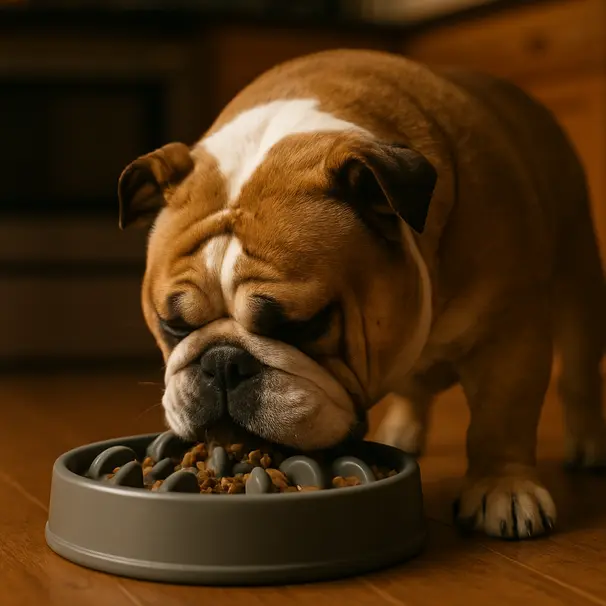
- Slow things down. Use a slow-feeder bowl or spread food across a baking sheet to prevent gulping. Eating more slowly often means less swallowed air.
- Smaller, more frequent meals. Instead of one or two large meals, try three or four smaller portions, if that fits your dog’s routine and caloric needs.
- Switch protein sources gradually. If you suspect an intolerance, rotate to a novel protein like duck or venison, but introduce it over 7 to 10 days.
- Choose digestible foods. High quality, well-digested proteins and balanced diets can reduce fermentation and excess gas.
- Mind the treats. Treats count. Avoid giving too many table scraps or beans and other legume-heavy snacks.
Feeding tools and tricks
- Puzzle feeders and food-dispensing toys slow dogs down while offering mental enrichment.
- Elevated feeders are sometimes suggested, though they may not be ideal for every dog. Talk to your vet if you’re considering equipment changes.
Supplements and additives that may help
Some pet owners find certain supplements useful. Language like “may” and “can help” is important here, since results vary per dog.
- Probiotics: A course of a canine-specific probiotic may help rebalance gut flora and reduce smelly gas. Consider trying one for a few weeks while monitoring changes.
- Digestive enzymes: Enzyme supplements can support dogs that have trouble breaking down certain foods. These may be particularly helpful for dogs with occasional indigestion.
- Pumpkin or soluble fiber: A small amount of cooked pumpkin can regulate digestion, but too much fiber might increase gas in some dogs.
Always consider the dose and product type, and check with your vet before adding supplements, particularly if your dog is on medication or has a health condition.
Allergies, intolerances, and when to suspect them
If gas comes with vomiting, diarrhea, weight loss, skin issues, or intense abdominal discomfort, consider an intolerance or allergy. Food-related problems often show a combination of digestive and skin symptoms.
A vet may suggest an elimination diet or allergy testing. Elimination diets involve feeding a novel protein and carbohydrate that your dog hasn’t had before, for several weeks, to see if symptoms resolve.
When to see the vet
Consider contacting a vet promptly if your dog shows any of these alongside gas:
- Repeated vomiting or severe diarrhea
- Sudden loss of appetite or weight loss
- Blood in stool
- Abdominal pain, bloating, or a hard belly
- Extreme lethargy or signs of distress
For mild, chronic gas, your vet can help rule out underlying conditions and suggest a safe plan. If your dog has known health issues, schedule a check-in before making significant diet changes.
Practical home tips for less gas
- Keep a food log. Note what your dog eats, treats, and any smells or symptoms. Patterns often emerge.
- Avoid feeding from the table. Human food can be rich and fatty, which may upset digestion and increase gas.
- Limit raw diets unless you’ve discussed them with a vet. Raw diets can be nutritious but may also change bacterial balance and stool odor.
- Encourage calm meal-time behavior. Calm dogs swallow less air. Reward slow eating with praise rather than competition.
- Regular deworming. Parasites can cause digestive upset and increased gas. Follow your vet’s recommendations.
Odor management around the home
- Good ventilation helps. Open windows or use fans when weather allows.
- Wash bedding and blankets regularly. Bacteria and oils can hold onto smells.
- Enzyme-based cleaners tackle the molecules behind smells instead of just masking them.
Training tricks to slow the gulpers
If your dog inhales their food, try these training steps:
- Teach “leave it” and “wait” at meals. Reward calm behavior with a small portion, then release to eat.
- Use hand feeding to encourage slower consumption, especially during training sessions.
- Reward calmness with special low-calorie treats, gradually phasing into regular meals.
These tricks also help multi-dog households avoid competition at mealtime.
Special considerations for pet carers
As a pet carer you might walk, feed, or board dogs who aren’t yours. A few practical notes:
- Ask owners about known sensitivities and feeding routines before you start. Following their established plan reduces digestive surprises.
- Keep a list of emergency contacts and the dog’s vet details handy.
- Report any changes in stool, appetite, or behavior promptly to the owner.
- If swapping foods, do so gradually across several days, and consider offering the dog a familiar treat to reduce stress.
What about human remedies and home cures?
You’ll see lots of home remedies online. Some things, like changing feeding approach or using a vet-approved probiotic, may help. Avoid home remedies meant for people without vet approval. Certain human supplements or over-the-counter remedies can be unsafe for dogs. When in doubt, check with a veterinarian.
Putting it together: a sample action plan
- Observe and record: Note when gas happens, what the dog ate, and any other symptoms. Record this for one to two weeks.
- Tackle the easy fixes: Try a slow-feeder, split meals, and remove table scraps. Watch for improvement.
- Introduce changes gradually: New food, supplements, or feeding tools should be phased in over several days to a week.
- Consult your vet: If gas persists, is severe, or is accompanied by other signs, reach out. Your vet can suggest testing or a tailored elimination diet.
Final thoughts
Most dogs will pass gas from time to time. With a few practical changes, many dogs experience less frequent or less smelly gas. Keep notes, stay patient, and remember that small tweaks often add up.
If persistent gas is a worry, your vet is your best partner. They can help rule out medical causes and work with you to create a plan that keeps the dog comfortable and your home pleasant.
A little patience, consistent feeding habits, and a hint of curiosity about what your dog eats can go a long way. After all, we love them even with the occasional toot.