

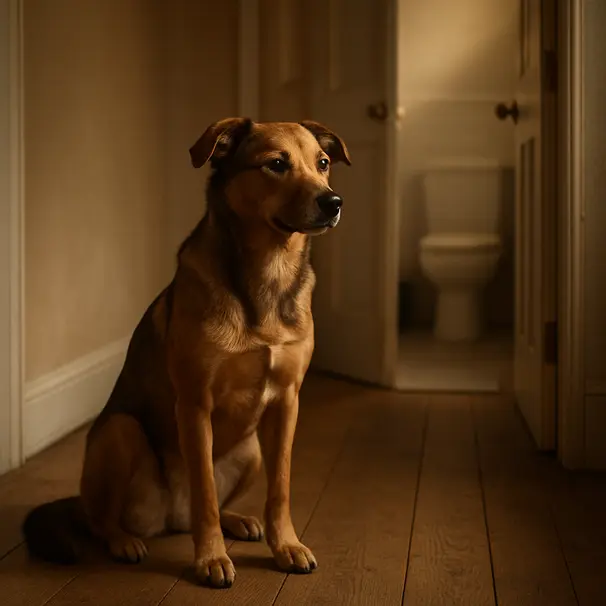
Why your dog insists on coming to the bathroom
If your dog pads after you every time you head to the bathroom, you’re far from alone. It might feel a little funny, a touch invasive, or downright sweet. Many pet owners and carers see this behavior as a quirk, but it comes from a mix of instinct, habit, and emotion.
In this post we’ll look at the most common reasons dogs follow people into the bathroom, what it might mean for your bond, and practical ways to respond that keep everyone comfortable. You’ll get clear, doable tips you can use today, whether you’re the owner, a family member, or a professional carer.
Quick overview of possible reasons
- Pack instincts and social bonding
- Curiosity and attention-seeking
- Separation anxiety or mild nervousness
- Comfort and routine
- Learned behavior and reinforcement
Pack instincts and social bonding
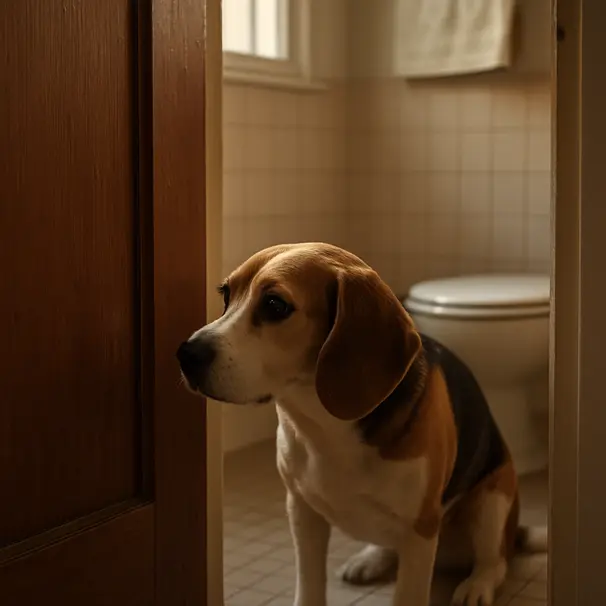
Dogs descended from wolves, and even though modern pups are domesticated, a lot of pack behavior stuck around. Following a trusted human is a sign of social connection. In the wild, wolves stay close to the pack leader for safety and coordination. Your dog may be doing a modern version of that: sticking near the person they trust most.
This kind of following is usually calm and steady. A dog who sits outside the bathroom door or quietly leans against you is showing affiliation, not a problem. For many dogs, being near you lowers stress and makes the world feel predictable.
Curiosity, routine, and scent
Bathrooms are full of interesting smells, sounds, and small changes. From the rustle of a towel to the hum of a fan, your dog’s nose and ears pick up everything. Dogs are naturally curious, and a new or repeated routine becomes its own attraction. If you always go to the bathroom before a walk, snack, or bedtime, the location itself becomes a cue for something good.
That association can make the bathroom a hub of activity in your dog’s mind. They may follow simply because they want to be part of the action, or because they expect a reward like attention or a walk.
Separation anxiety and insecurity
Some dogs follow because they feel uneasy being alone, even for a few minutes. This can range from mild worry to more intense separation anxiety. If your dog becomes distressed when you step out of sight, follows obsessively, or acts overly nervous, their attachment may be driven by fear rather than comfort.
Signs that anxiety is involved include pacing, whining, destructive behavior when left, or over-the-top excitement when you return. If the bathroom-following comes with these signs, consider gradual training to build confidence and short absences that are gradually lengthened.
Attention-seeking and learned behavior
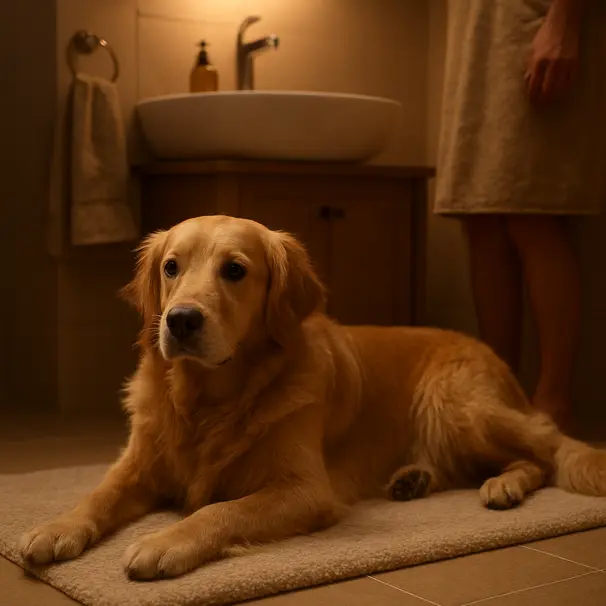
If you respond to your dog every time they follow you by petting, talking, or giving treats, you’re reinforcing the habit. Dogs are smart and quickly figure out which behaviors get your attention. A quick scratch or a laugh when they peer around the shower curtain becomes a powerful reward.
This isn’t bad on its own. If the attention is calm and controlled, it can strengthen your bond. But if the habit becomes disruptive, or if you want privacy sometimes, you’ll need a gentle plan to change the routine.
Safety and guarding instincts
Some dogs watch over us because guarding is part of their temperament. Staying close to you in small, enclosed spaces lets them monitor what’s happening. For breeds with protective tendencies, staying near their person can be a comfortable way to feel useful.
That guarding instinct is natural, and it can be managed without discouraging affection. The key is setting boundaries that don’t shame the dog, while offering alternative ways to help them feel purposeful.
What to do: practical strategies for owners and carers
If you like the behavior, celebrate it in calm ways. If you’d prefer some privacy, these steps will help you change the habit without upsetting your dog.
1. Build a calm routine
Create a consistent spot where your dog can settle when you need privacy. It could be a comfortable bed, a crate they enjoy, or a mat near the doorway. Reward them for staying there with treats, a favorite toy, or quiet praise. Make the area appealing with a cozy blanket and an item that smells like you, such as an old T-shirt.
Start with short bathroom breaks and reward the dog for staying put. Gradually increase the time. Dogs learn fast when they’re reinforced for the right behavior.
2. Teach a reliable “place” or “stay” cue
Training a simple cue gives your dog a clear job to do. Use a short, friendly training session to teach your dog to go to a mat, bed, or crate on command. Reward them for calm settling. Practice in different rooms and gradually increase distraction levels.
Once the cue is solid, use it before you step into the bathroom. Leave for short intervals at first, then lengthen them. Praise and treat when your dog stays calm. If you’re a carer, agree with the owner on the cue and rewards so the dog gets consistent messaging.
3. Offer mental and physical enrichment
A tired dog is a more relaxed dog. Regular walks, play sessions, and puzzle toys can reduce the urge to follow for entertainment or attention. Leave a safe chew or an interactive toy when you need privacy. Rotating toys keeps them novel and engaging.
Enrichment is especially important for dogs with attention-seeking behavior. If they have better outlets for energy and interest, they’ll be less focused on shadowing you.
4. Practice short departures
If anxiety is the reason, gradual desensitization can help. Start with very short separations, then slowly extend the time apart. Pair departures with something positive: a treat-dispensing toy or special chews that take time to finish. Keep arrivals and departures low-key so your comings and goings aren’t events.
If your dog’s anxiety seems severe, consider consulting a vet or certified behaviorist. Medical or professional support can help build a tailored plan and may include calming strategies or medications in some cases.
5. Use a calm, consistent response
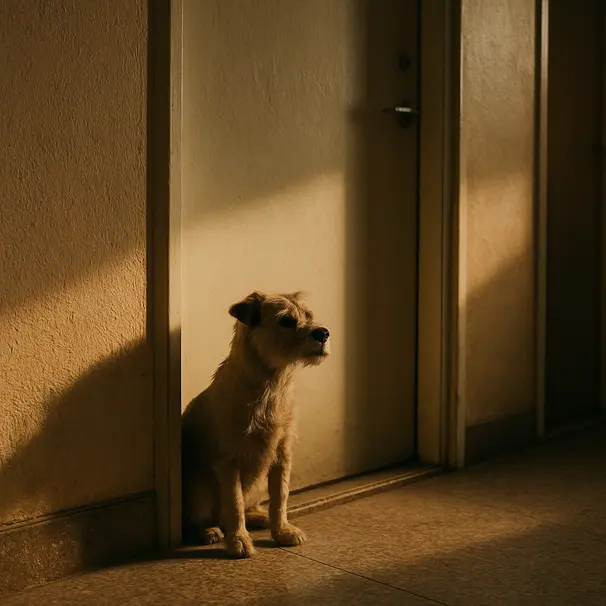
When your dog follows you, keep your reactions calm. Avoid dramatic scolding or loud shushing. Instead, redirect gently to their place cue, reward calm behavior, and move on. Consistency matters more than intensity.
For carers, it’s important to maintain the owner’s established rules. Dogs thrive on predictable responses. If one person allows the dog in while another shuts the door, the mixed signals will slow progress.
6. Offer alternative bonding time
If being near you in the bathroom is mostly about closeness, schedule extra one-on-one time outside the bathroom. Short sniff walks, cuddle sessions, or grooming can give the dog the emotional reassurance they seek without interrupting your privacy.
Balancing affection and boundaries helps dogs learn both independence and trust.
When to get help
Most bathroom-following is harmless and fixable with gentle training. Seek professional help if your dog shows signs of severe separation anxiety, destructive behavior, or extreme distress when left alone. A vet can rule out any medical issues that might make your dog clingy, and a certified behaviorist can design a step-by-step plan tailored to your dog’s needs.
If you’re a pet carer and you notice worrying signs that the owner hasn’t mentioned, pass observations back gently and suggest a vet check or behavioral consult. Good communication keeps the dog’s welfare front and center.
Quick dos and don’ts
- Do reward calm, independent behavior.
- Do teach a friendly “place” cue and practice it often.
- Do provide enrichment and exercise before separation.
- Don’t punish clinginess harshly; it can increase anxiety.
- Don’t make departures and returns emotional events.
- Don’t ignore sudden changes in your dog’s behavior; consult a vet if needed.
Real-life examples
A rescue terrier followed their new owner to the bathroom for weeks. Short training sessions teaching a mat command, combined with tasty puzzle toys, helped the dog learn to settle alone for short periods. After a few weeks the terrier waited calmly while the owner showered.
A young Labrador loved routines. He associated bathroom time with the owner getting ready for a walk. Changing the routine slightly by doing a short hallway game before the walk broke the automatic expectation, and the dog stopped following every trip to the bathroom.
These examples show small changes can make a big difference, and that patience and consistency work better than quick fixes.
Final thoughts
Dogs follow us to the bathroom for many of the same reasons they follow us anywhere: companionship, curiosity, routine, and sometimes worry. Most of the time it’s an expression of trust. If the behavior is harmless and you enjoy it, there’s no need to stop it. If you’d like more privacy, use clear, gentle strategies that teach your dog what to do instead.
As pet owners and carers, we’re stewards of both comfort and boundaries. A little training, a cozy place to settle, and consistent responses help dogs feel secure and build an even stronger bond between you.
If you ever worry the behavior is part of a bigger anxiety issue, consider consulting a vet or behavior expert. With the right approach, bathroom privacy and a happy, confident dog can peacefully coexist.