

Why your dog acts like you never left
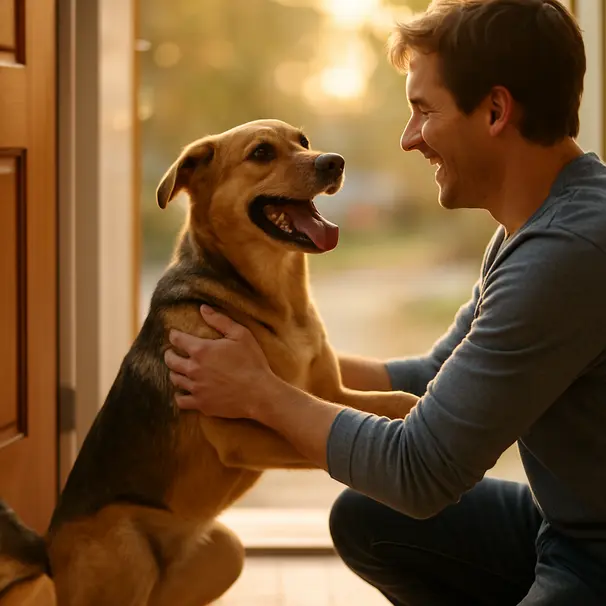
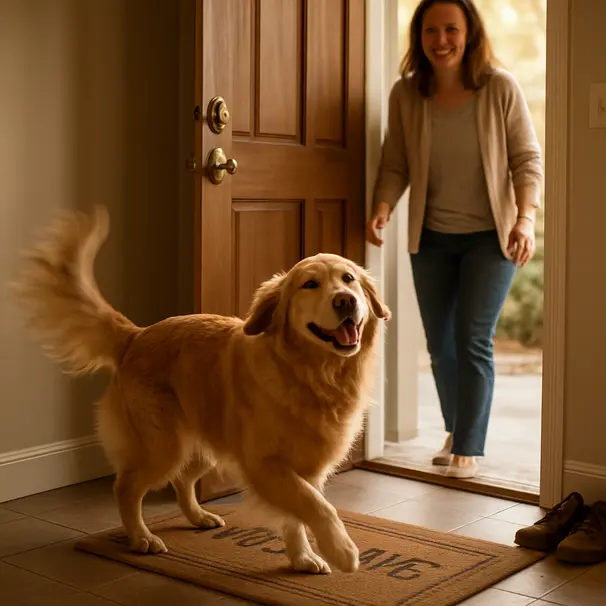
There’s something impossibly warm about a dog who loses their mind the moment you step through the door. That full-body wiggle, the enthusiastic barking, the frantic tail-twirl, and the happy face — it all feels like an unconditional celebration organized just for you. It’s charming, sometimes a little chaotic, and deeply meaningful. In this post we’ll look at why dogs respond this way, how to read what they’re telling you, and simple steps owners and carers can take to make reunions positive and calm.
A quick overview
Dogs don’t rehearse dramatic arrivals for fun. Their reactions are shaped by scent memory, social wiring, past experiences, and clever emotional cues. A greeting can be joy, relief, attention-seeking, or a mix of several feelings. Understanding the mix helps you respond in ways that build trust and reduce stress.
The science behind the happy greeting
Dogs evolved as social animals. Over thousands of years, wolves that tolerated close-knit groups and cooperated with humans and other dogs were more successful. Even now, many behaviors you see are rooted in those social instincts.
Scent is their memory
Your dog’s nose is far more powerful than your eyes and ears. When you return, they detect the changes in your scent and the scents you’ve picked up. Even a short walk to the shops can carry enough new smells for your dog to treat you like someone fresh back from an adventure. Scent helps dogs recognize you, track where you’ve been, and decide whether to jump up in excitement or stand alert.
Social bonding and attachment
Dogs form strong attachments to people who feed, play with, and comfort them. Reuniting after any absence triggers the reward circuits in their brain. Oxytocin, a hormone linked to bonding, may rise in both dog and human during positive contact. That warm chemical nudge reinforces the idea that being close to you is good.
Emotional contagion and mirroring
Dogs are attuned to human emotions. If you open the door with a smile and warm tone, your dog feeds off that energy. If you come in tired or stressed, they might still react joyfully, but their body language could be subtler. Dogs use our expressions, pitch of voice, and posture to gauge how to respond.
Relief and release
Sometimes the greeting is about relief. If your dog was anxious while you were away, seeing you return signals safety. The exuberant behavior can be a release of built-up tension. That’s why some dogs seem over-the-top after brief absences and quieter after long ones — the emotional context can change the volume of the greeting.
Reading the welcome: body language clues
Not all happy greetings are identical. Learning to read the subtleties helps you tell joyful greeting from anxiety-driven behavior.
- Soft eyes, loose mouth: True joy and relaxation. The dog’s face looks open and willing to play.
- High, fast tail wag: Excitement. Often paired with a bouncy posture.
- Whole-body wag, spinning: Pure elation. Many dogs will spin or hop in place when overwhelmed with happiness.
- Pawing and jumping: Seeking contact and attention. Can be polite or overexcited depending on intensity.
- Pacing, whining, furrowed brow: This may signal nervous anticipation rather than relaxed joy.
- Avoidance or freezing: Not every dog enjoys high-energy greetings; they may need a quieter approach.
A small checklist to read the room
- Is the body loose or stiff?
- Are the ears relaxed or pinned?
- Is the tail wag broad or tense and high?
- Are lip corners relaxed, or is the mouth tightly closed?
Answering these helps you choose the right arrival routine.
Practical tips for calmer reunions
A blizzard of excitement can be joyful, but repeated frantic greetings can lead to reinforced jumping, accidental scratches, or stress. Here are gentle, realistic ways to shape positive reunions for both owners and carers.
Before you leave: small habits that pay off
- Short, predictable departures: Keep leaving cues low-key. A simple coat and keys routine performed calmly helps teach your dog that departures are normal.
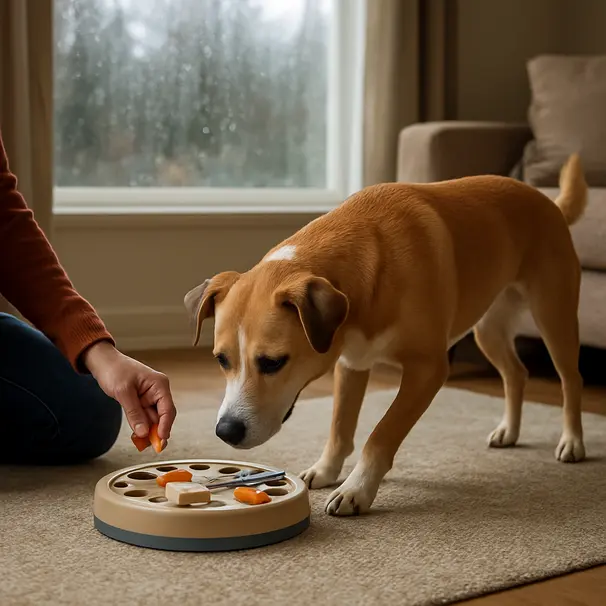
- Positive associations: Give a puzzle toy or long-lasting chew when you leave, so your dog has something enriching to do in your absence. That can reduce built-up energy at return.
- Practice brief absences: Build tolerance slowly. Start with a few minutes and increase the time so your dog learns separations are temporary.
Arrival habits to try
- Stay calm: Take a breath and lower your energy. Dogs mirror you, so a calm arrival helps them settle faster.
- Ignore over-the-top behavior at first: If your dog is jumping or vocalizing, avoid immediate eye contact and petting. Wait for a calmer moment, then reward quiet behavior with gentle praise or a soft pet.
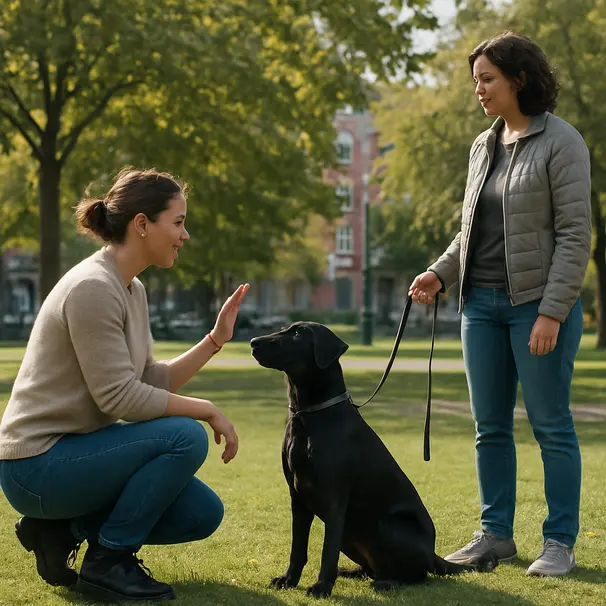
- Teach a greeting cue: Train a simple behavior like ‘sit’ or ‘place’ for arrivals. Reward the dog when they comply. Over time the cue becomes the expected way to greet you.
- Use enrichment to redirect energy: Have a toy or treat that becomes your arrival signal. Hand it over when they’re calmer, making the exchange part of a ritual.
Training exercises to reduce overexcitement
- ‘Sit before touch’ drill: Ask for a sit, wait one or two seconds of calm, then mark and reward. Repeat several times during low-stress moments.
- Release and reward: Practice short hold-and-release sequences so the dog learns that calm behavior leads to fun interactions.
- Desensitization to cues: Randomize departure cues like putting on shoes or picking up keys, so those actions don’t always predict leaving.
For pet carers: consistency is key
If you’re a carer looking after several dogs, keep arrival and departure routines predictable and consistent across homes. Small differences in tone or timing can confuse dogs accustomed to their owner’s rituals. Communicate with owners about preferred cues, treat routines, and whether the dog should be greeted calmly or can be given a quick play.
When exuberant greetings are actually stress
There’s a difference between joyful hello and stress-fueled meltdown. If a dog is hyperactive, destructive after reunions, or seems emotionally dysregulated, consider these possibilities.
- Separation anxiety signs: Intense vocalization, destructive behavior, or soiling when left alone may indicate anxiety. Reunions in these cases can be explosive because the dog was distressed while you were away.
- Learned attention-seeking: If dramatic greetings always got attention or treats in the past, the dog may have learned to perform them for rewards.
- Health or pain issues: Sudden changes in greeting intensity might be linked to discomfort. If behavior shifts abruptly, consider a vet check.
If you suspect anxiety, consult a vet or behaviorist for tailored strategies. They can help you build a plan using gradual desensitization and positive reinforcement techniques.
Gentle management strategies for busy households
Many households juggle schedules, visitors, and multiple pets. Here are actionable ideas to make reunions smoother for you and your dog.
- Create a low-energy arrival zone: Designate a calm area near the door with a mat and toys. Ask your dog to go to the mat when you come home and reward calm behavior there.
- Use baby gates or crates smartly: Temporarily separating a dog at arrival can prevent jumping and allows you to offer a calm hello later. Crates can be cozy safe spaces, not punishment.
- Short play before full greeting: For highly excitable dogs, a quick five-minute walk or fetch session immediately after you get home can burn excess energy and lead to calmer interactions afterwards.
- Reward calm with high-value treats: Reinforce quiet, polite greetings by marking small moments of calm and offering a favorite treat.
- Teach household members the plan: Consistency matters. Everyone should use the same cues and rules to avoid confusing the dog.
Routine examples owners and carers can try
- The Quiet Return: Enter calmly, ignore initial attention-seeking, wait two minutes of calm, then greet gently.
- The Swap Routine: Hand the dog a long-lasting chew immediately on arrival, then sit down and ignore until they are settled.
- The Sit-and-Greet: Have the dog sit before any door-opening interaction; reward the sit with a short petting session.
When to ask for professional help
If your dog’s reunions include severe anxiety, aggression, or sudden behavior change, professional guidance can help. Consider reaching out when:
- The dog injures itself hopping or scratching at doors
- You notice destructive behavior when the dog is left alone
- Reunions are escalating into aggressive displays toward people or other pets
- You’ve tried routine changes for weeks with little improvement
A veterinary check can rule out medical causes. A certified behaviorist or experienced trainer can design a step-by-step plan, often incorporating counterconditioning and gradual desensitization. For severe separation anxiety, management may include environmental strategies, enrichment plans, and long-term behavior modification.
A short checklist for calmer, happier returns
- Prepare a leave-and-return routine, and keep it calm.
- Provide enrichment during absences, like puzzle feeders.
- Teach a simple greeting cue such as ‘sit’ or ‘place’.
- Reward calm behavior consistently, ignore overexcitement.
- Use gates or brief separations to prevent accidental jumping.
- Consult a vet or behaviorist if anxiety or aggression is present.
Final thoughts: celebrate the love, shape the behavior
Dogs greet us with a kind of honest, unfiltered delight that can brighten a long day. That joyful reaction is a gift, and with a little attention and consistent routines, it can stay joyful without becoming stressful or unsafe. For pet carers and owners alike, the keys are understanding, patience, and small, repeatable rituals that teach dogs how to channel their excitement.
Your dog’s dramatic welcome says something simple and beautiful: you matter. Honor that feeling with calm leadership, fun enrichment, and moments of quiet connection. Those tiny investments will pay off in countless peaceful reunions and a happier dog at home.
Handy resources: seek a vet for sudden changes, and a certified trainer for persistent problems.
A friendly reminder: each dog is unique. Try different approaches, watch their response, and trust the bond you share.
Thanks for reading, and happy homecomings from the Floofy team.