Why dogs lick themselves: a warm and practical guide
If you’ve ever watched your dog pause, curl a paw, and give it a careful lick, you’re not alone. Licking is one of those adorable, slightly puzzling dog behaviors. It can be sweet, gross, or worrying depending on how often it happens and where your pup is licking. Let’s walk through the common reasons dogs lick themselves, how to tell if licking is normal or problematic, and what you can do to help your dog feel comfortable and healthy.
A dog cleans a paw during a cozy afternoon at home.
Quick snapshot: normal versus excessive licking
Normal licking: short, occasional grooming sessions, or an occasional lick after a tasty snack.
Excessive licking: repeated, long bouts focused on one spot, leaving red skin, hair loss, scabs, or a change in mood or appetite.
If your dog seems otherwise happy and the licking is brief and infrequent, it’s often normal. If it becomes persistent, focused, or starts to cause skin damage, make a plan to find the cause.
Common reasons dogs lick themselves
Dogs lick for many reasons. Here are the ones you’ll see most often, with friendly, practical notes on spotting each one.
1. Natural grooming and cleanliness
Dogs are tidy in their own way. Licking helps remove dirt and loose fur, and it’s a basic part of their self-care routine. Think of it as canine tidying up after a walk, a roll in the grass, or a snack.
What to watch for: short, purposeful licks across paws, legs, and body.
Tip: regular brushing can reduce the need for constant licking and help you notice skin changes earlier.
2. Taste and salt
Sometimes dogs lick because something tastes good. Salty sweat on your skin, food traces on fur, or even a bit of spilled yogurt can invite a lick or two. Puppies especially explore the world with their mouths and tongues.
What to watch for: licking after meals, grooming after eating, or licking you when you have lotion or salty skin.
Tip: wipe paws and fur after messy play or food to reduce sticky, lingering tastes.
3. Itchiness from allergies or skin irritation
Environmental allergies, food sensitivities, or contact with irritants can make skin itchy. Dogs often lick the itchy area to get relief. Licking can soothe briefly, but it can also make the irritation worse.
What to watch for: repeated licking in the same spot, red or inflamed skin, or hair loss.
Consider: changing detergents, checking for fleas, or adjusting diet with vet guidance.
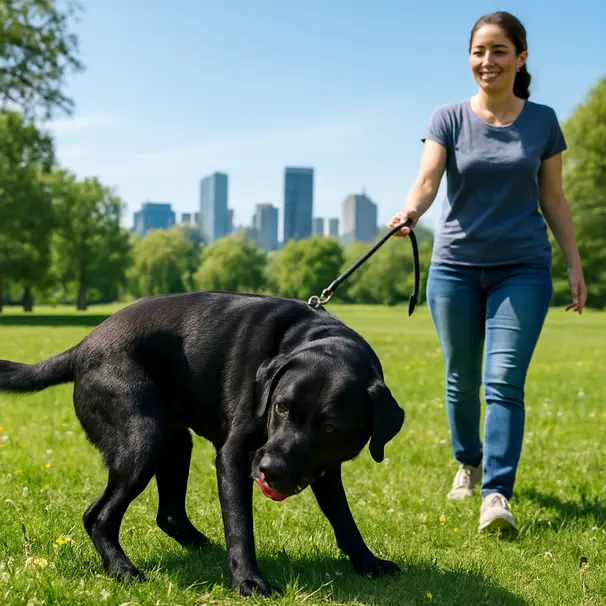
An energetic Labrador explores a park while pausing to lick.
4. Pain, discomfort, or localized injury
When a dog licks a specific spot a lot, they may be trying to soothe pain. A small cut, joint ache, or an internal issue can lead to concentrated licking.
What to watch for: guarding the area, limping, changes in appetite or behavior.
Consider: gentle inspection if your dog allows it, and consider a vet visit if the behavior continues.
5. Stress, boredom, or emotional comfort
Licking can be calming. Dogs may lick themselves or objects when they feel anxious, bored, or uncertain. Repetitive licking can be a self-soothing behavior, similar to nail-biting in people.
What to watch for: licking during thunderstorms, separations, or after a household change.
Tip: enrichment, regular walks, puzzle toys, and a predictable routine can reduce stress-related licking.
6. Maternal and social behavior
Mother dogs lick their puppies to clean them and stimulate circulation. Licking also plays a role in social bonding between dogs and with people.
What to watch for: gentle licking in social contexts, such as a mother with pups or dogs greeting each other.
Enjoy: licking that’s relaxed and paired with wagging and soft body language.
7. Compulsive licking
Some dogs develop a habit where licking becomes compulsive. This may start after an injury, stress, or for no clear reason. Compulsive licking can lead to hot spots and infections if left unchecked.
What to watch for: obsessive repetition, hairless patches, or skin damage that doesn’t heal.
Consider: behavior-focused approaches, enrichment, and talking to a vet about next steps.
How to tell if licking needs attention
A few signs suggest licking has moved from normal grooming to something that needs intervention:
persistent licking focused on one area
redness, scabbing, sores, or raw skin
hair loss or changes in fur texture
changes in energy, appetite, or mood
licking combined with limping or obvious pain responses
If you notice these changes, consider contacting a vet or experienced pet carer. It’s always better to check in early than to wait until a small problem becomes painful.
Practical steps to manage normal licking at home
If your dog licks because of grooming, taste, or mild itchiness, these simple moves can help.
Keep a regular brushing routine to remove dirt and loose hair.
Wipe paws and belly after walks, especially in wet or muddy weather.
Use pet-friendly wipes after meals or outdoor play to remove sticky residues.
Swap to a balanced diet if you suspect food-related itchiness, and talk with a vet about diet trials.
Offer puzzle feeders and interactive toys to reduce boredom-driven licking.
Increase mental and physical exercise with short walks, training games, and play.
When licking is linked to anxiety or boredom
If you think emotion or boredom is driving the licking, focus on enrichment and structure. Small changes can have a big impact.
Create a daily routine with walks, play, and calm downtime.
Add puzzle toys, snuffle mats, and treat-dispensing toys to your dog’s day.
Teach short training sessions for mental engagement, even five minutes twice daily can help.
Consider calming practices: music, a safe crate space, or a snug bed.
If separation is the trigger, practice gradual departures and build tolerance slowly.
Grooming, protection, and bandaging
Sometimes licking damages skin. If your dog licks a wound, it can slow healing. There are humane ways to protect the area:
Soft cones or inflatable collars can be more comfortable than traditional cones and still stop licking.
Protective clothing, like a doggy onesie or sock over a paw, can help during healing.
Short, supervised sessions of gentle cleaning with vet-approved antiseptics can keep an area healthy.
Avoid home remedies without veterinary advice. Some lotions or creams that are safe for humans may be harmful to dogs if licked.
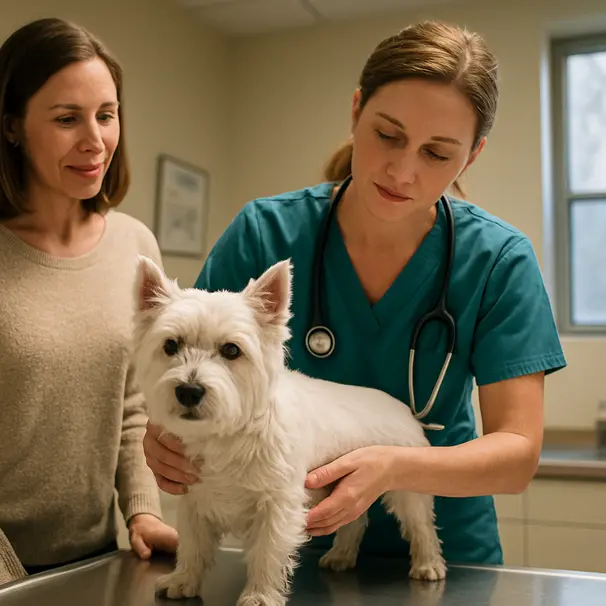
A vet gently checks a small terrier's skin for irritation.
When to see a vet
Consider a vet visit if:
licking causes open sores, bleeding, or scabs
your dog licks a spot nonstop for hours each day
you notice changes in appetite, urination, or energy
your dog shows signs of pain or a sudden change in mobility
A vet can help rule out allergies, infections, parasites, arthritis, or other medical issues. They may suggest diagnostics, a short course of treatment, or behavior-focused strategies. If your dog’s licking seems tied to anxiety, your vet can also advise on behaviorists or calming protocols.
Working with a pet carer
If you use pet carers or dog walkers, share clear notes about licking habits. A trusted carer can:
watch for changes in licking behavior during walks and breaks
use enrichment activities to reduce boredom-driven licking
follow your instructions for protective clothing or short-term collars
report any redness or skin changes promptly
Communication between you and your carer helps catch problems early and keeps your dog comfortable when you can’t be there.
Simple checklists for owners and carers
At home:
brush weekly, wipe paws after walks, and keep nails trimmed
note where and how often licking happens
offer mental enrichment daily
try protective clothing if a spot is irritated
With a carer:
show where your dog licks and any past trouble spots
leave vet contact info and preferred tick/parasite preventives
ask carers to log any increases in licking or skin irritation
Final thoughts: be curious, calm, and kind
Licking is a normal, natural behavior for dogs. It can be grooming, comfort, curiosity, or a sign of something more. The kindest thing you can do is observe, stay gentle, and act early if licking becomes excessive. Small changes at home, combined with vet advice when needed, can help your dog feel better quickly.
If you’re ever unsure, reach out to your vet or a trusted pet carer. They can help you figure out what’s behind the licking and build a plan that keeps your dog comfy and wagging.
Quick takeaway
Brief, occasional licking is usually normal.
Persistent, focused licking may signal irritation, pain, or stress.
Simple home care and enrichment often help.
If skin damage or behavioral changes appear, consider a vet or behaviorist check.
Thanks for caring enough to learn. Your attention and gentle care make a big difference to a dog’s comfort and happiness.
Floofy uses cookies and similar technologies to personalise content, measure ads, analyse traffic, and provide you with the best possible experience. Some cookies are essential for the site to function and cannot be turned off. By accepting, you agree to our
Cookie Policy. You can update your preferences at any time.
Cookie Settings
When you visit Floofy, we may store or access information on your browser, often through cookies. This data helps us provide a smoother, more tailored experience based on your preferences or device settings. While the information doesn’t usually identify you personally, it enhances your time with us. We respect your privacy choices, so feel free to manage your cookie preferences by exploring each category. Keep in mind, however, that limiting certain cookies may affect the performance of the site and the services we can deliver.
Cookie Policy