

Why dogs lick you and objects
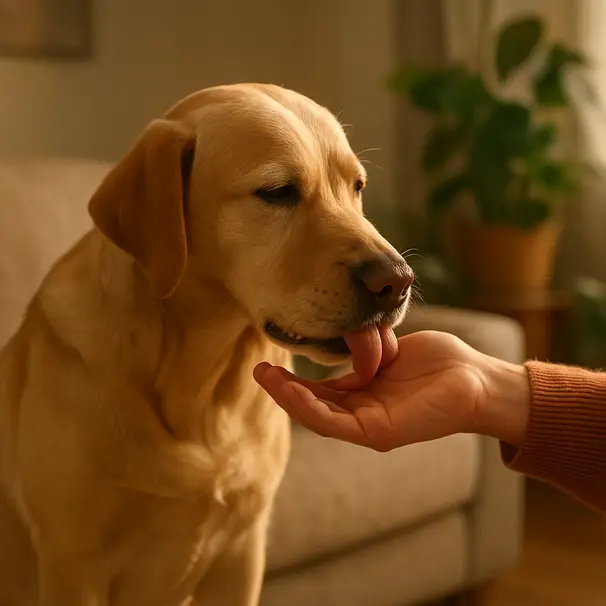
If you share your life with a dog, you already know that licking is part of the package. It can feel sweet when your pup gives you a sloppy face wash, annoying when they obsessively lick a shoe, and puzzling when they lick walls or the air. Licking is normal dog behavior, but it comes in many flavors. Understanding the reasons helps you respond with kindness and good sense.
What licking communicates
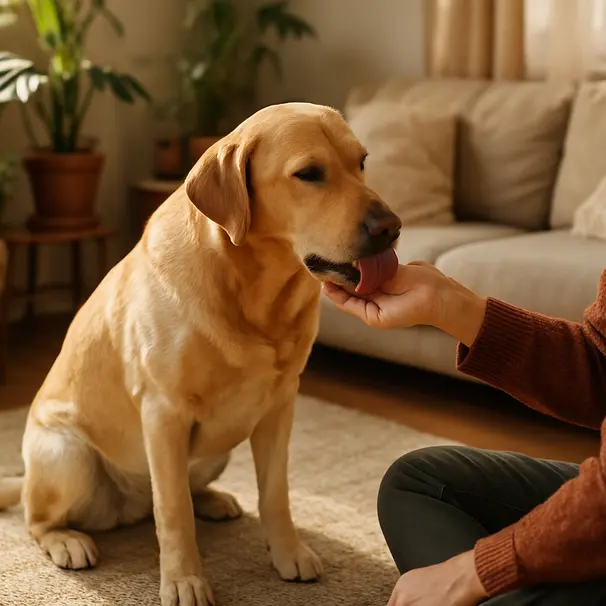
Licking is a language for dogs. It can mean several things at once, and context matters. Here are the main messages dogs may be sending:
- Affection and bonding: Puppies lick their mothers and littermates. Adult dogs often lick family members as a social glue, showing trust and attachment.
- Greeting and appeasement: A quick lick can be a polite hello, or a calming gesture toward someone the dog views as higher in social rank.
- Attention-seeking: Licking can be a reliable way to get a response. If licking has worked in the past, your dog may repeat it to get pets, treats, or playtime.
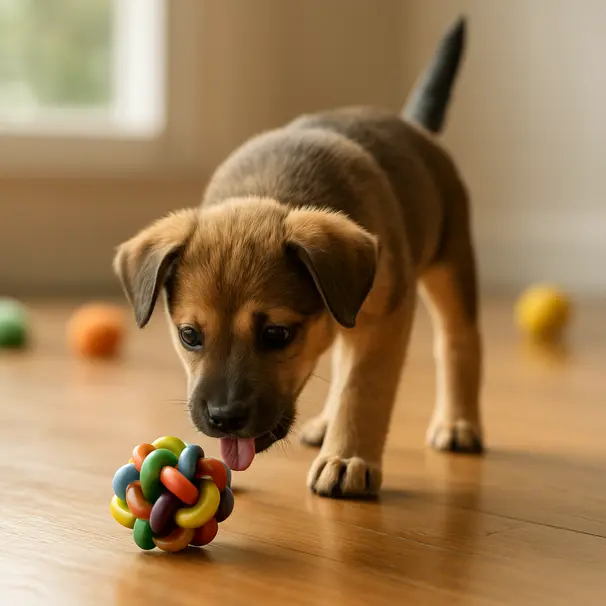
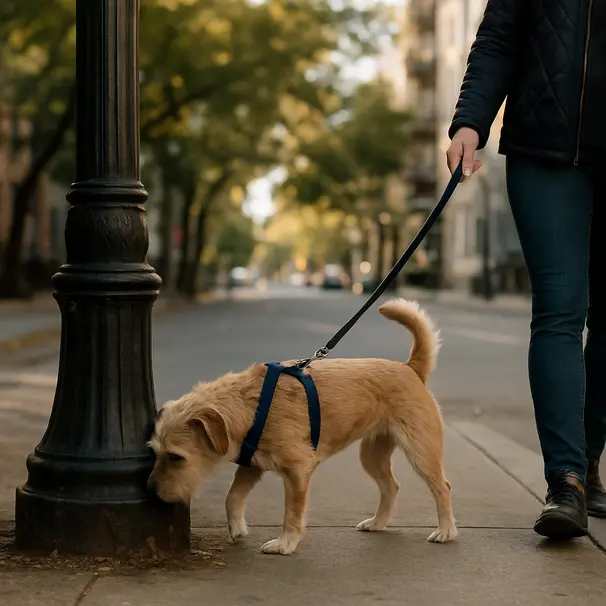
- Exploration: Dogs experience the world with their mouths and tongues. Licking an object helps them learn about texture, taste, and scent.
How to read the situation
Look at body language. A loose wagging tail and relaxed posture usually mean a friendly lick. Rapid licking combined with lip licking, yawning, or a tucked tail may point to stress. Pair observations with timing: is the dog licking after you feed them, when guests arrive, or during quiet downtime?
Taste, smell, and curiosity
Dogs have a keen sense of smell and enjoy new flavors. Salty skin, food crumbs on your clothes, the lingering smell of other animals, or sticky residues on furniture can all invite a lick. Even sweat has a taste that some dogs find irresistible.
Exploratory licking is particularly common in puppies and younger dogs. They’re learning what’s interesting or safe in their environment. As they mature and discover preferred foods and toys, some of that exploratory licking naturally wanes.
Grooming and health-related licking
Licking helps dogs groom themselves. They clean paws, faces, and sometimes wounds. A gentle lick can remove dirt or soothe a minor irritation. However, excessive licking of one spot can indicate an underlying issue. Consider these possibilities:
- Skin irritation or itchiness from allergies
- Fleas or other parasites
- Pain or discomfort in a specific area
- An underlying medical problem that may need attention
If a dog repeatedly targets the same area, seem distressed while licking, or develops redness and hair loss, consider consulting a veterinarian. A vet can help rule out health concerns and recommend treatments or supportive care.
Licking as a calming behavior
Some dogs lick to comfort themselves. Similar to how people might bite their nails or fidget, dogs may use licking to reduce anxiety or nervous energy. You might see this before thunderstorms, during car rides, or when meeting new people.
This kind of licking can become a habit. If it’s frequent and interferes with the dog’s daily life, try calming strategies before it escalates. Options include:
- Increasing structured exercise to burn off energy
- Providing interactive toys and puzzles to focus the mind
- Creating a quiet, safe space for the dog with familiar scents
- Using gentle counterconditioning techniques to change the dog’s emotional response
Remember to consider professional help if anxiety is severe. A trainer or behaviorist can suggest tailored plans, and a veterinarian can discuss whether medications may help alongside behavior work.
Boredom, habit, and compulsive licking
Dogs are clever and adaptable, but they can also develop repetitive behaviors if they’re under-stimulated. Licking that becomes compulsive often looks like a trance-like, focused action that continues even when interrupted. This is different from casual grooming or occasional attention-seeking.
To reduce boredom-related licking, add variety:
- Short training sessions throughout the day
- Rotating enrichment toys, especially food-dispensing puzzles
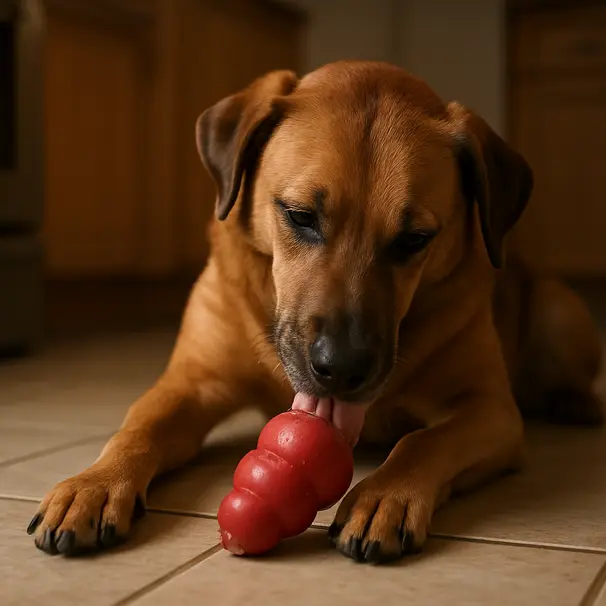
- Safe chews and frozen stuffed kongs to occupy the tongue and mouth
- Walks with a purpose, like sniffing-focused outings or scent games
If you suspect a compulsive pattern, document what you see, when it happens, and any triggers. Share this with your vet or a certified behaviorist for guidance.
Safety and hygiene considerations
Licking is usually harmless, but some practical precautions are smart for both human and dog health. Saliva can carry bacteria, and dogs sometimes lick things that might be toxic. Keep these tips in mind:
- Gently discourage face-licking around infants and immunocompromised people
- Keep household cleaners, medications, and toxic foods out of reach
- Wash hands after handling areas a dog licked frequently, such as litter of other animals or trash
- Monitor for wounds on the dog, especially if they repeatedly lick a cut or scrape
If your dog swallows something unusual, vomits, or shows signs of illness after licking an object, contact your veterinarian or an emergency clinic.
Training and managing licking politely
You don’t have to accept every lick. With patience and consistency, you can shape more polite behavior while respecting your dog’s needs.
Simple steps to manage unwanted licking:
- Redirect, don’t punish: Offer a chew toy or a food puzzle when your dog starts to lick inappropriately.
- Reward calm: When your dog keeps paws and tongue to themselves, give attention, treats, or a short play session.
- Teach an alternative action: Train a reliable “sit” or “place” cue that earns predictable rewards. This gives your dog a positive option instead of licking.
- Set boundaries gently: Use a short, calm removal of attention if licking persists, then resume interaction when the dog is calm.
Consistency matters. If one family member allows face-licking and another discourages it, your dog will be confused and the behavior will continue.
When to call a professional
Some situations benefit from expert help. Contact a veterinarian or certified behaviorist if you notice any of these signs:
- Licking that causes skin damage, sores, or hair loss
- A sudden increase in licking without an obvious cause
- Licking paired with other worrying symptoms like vomiting, lethargy, or changes in appetite
- Compulsive, trance-like licking that interferes with daily life
Professionals can help differentiate medical from behavioral causes and create a plan that may include medical tests, behavior modification, and environmental changes.
Practical home remedies you can try
While you consult a vet for serious concerns, try these safe strategies to reduce unwanted licking at home:
- Keep paws clean after walks to remove irritants
- Offer long-lasting, safe chews to redirect the urge to lick
- Try frozen stuffed toys to occupy the tongue and provide a tasty challenge
- Increase daily mental enrichment with scent work or short training games
- Use mild deterrents only as a temporary tool; aim to teach an alternative behavior instead
Avoid harsh punishments or aversive methods. They can increase anxiety and make licking worse.
Loving your licker: balance affection with boundaries
Licking can be sweet, funny, and sometimes inconvenient. It’s part of how dogs interact with the world and with us. The best approach balances empathy and management. Notice the message behind the lick, gently guide the behavior you want, and provide outlets for your dog’s instincts.
If licking seems excessive or you worry about health, reach out to your vet. A professional can help you rule out medical causes and suggest humane training and enrichment strategies. With patience, your dog can keep the affectionate licks for the moments you welcome them, and find other ways to express needs and emotions when you don’t.
A final note: every dog is an individual. What looks like a sweet kiss from one pup might be a comfort habit for another. Tune into your dog, and enjoy the quirky, loving ways they share their world with you.