

Why your dog might lick your face
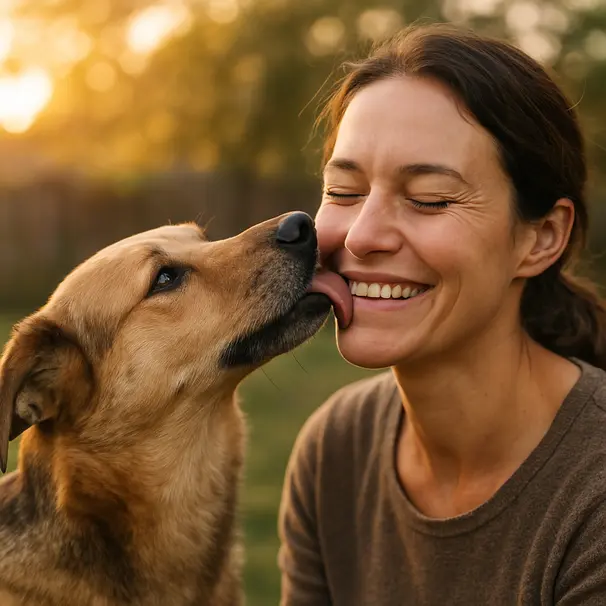
If you’ve ever been greeted by a sloppy, enthusiastic tongue first thing in the morning, you know the mixture of amusement and mystery that comes with face-licking. Lots of dog owners assume a face lick is pure love, and often it is. But dogs lick for many reasons beyond affection. Understanding those reasons helps you respond in ways that keep both of you happy.
Quick answer: affection, curiosity, or habit
There’s no single answer, but most face-licking is a blend of affection, communication, and learned behavior. Licking can be a friendly greeting, a way to taste the salt on your skin, a calming signal, or something a dog picked up because it gets attention. The context matters: the timing, your dog’s body language, and how often licking happens all provide clues.
Common reasons dogs lick faces
Affection and bonding
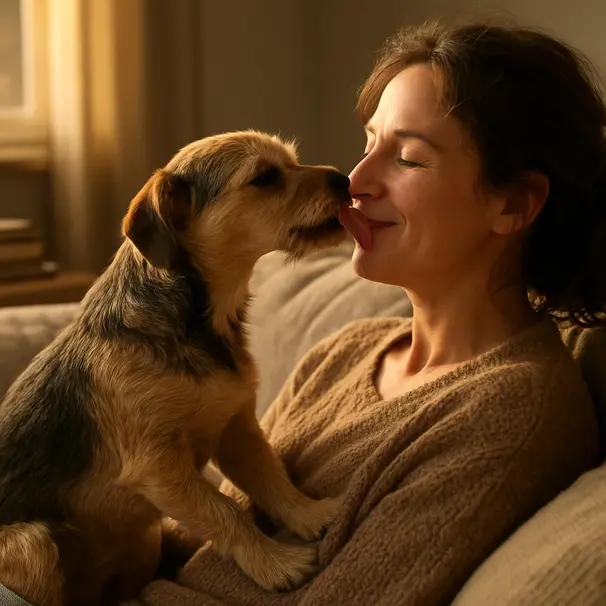
Dogs are social animals. Puppies lick their mother and littermates, and adult dogs often use licking to strengthen social bonds. A soft lick can be a warm, canine version of a hug. If your dog approaches you with relaxed posture, soft eyes, and gentle licks, this is usually an affectionate, bonding behavior.
Taste and scent
Human skin holds interesting tastes and smells. Sweat, lotions, or the remnants of food can attract licks. If you’ve been cooking, eating, or exercising, your dog may be sampling the salts and scents that remain on your face. This kind of licking is curious and exploratory rather than strictly emotional.
Communication and appeasement
Licking can be a gesture of respect or submission in dog language. Some dogs lick the faces of more dominant dogs to show deference. With people, this may come across as polite or slightly nervous behavior. If your dog lowers the head, avoids direct eye contact, and licks, that combination can be an appeasement or calming signal.
Attention-seeking and learned behavior
If licking gets a predictable reaction—laughing, petting, or scolding—dogs quickly learn this is an effective way to get attention. Even negative attention counts. Over time, licking can become a reliable strategy for getting what they want, such as food, play, or a cuddle.
Anxiety or stress relief
Some dogs lick to soothe themselves. Repetitive licking may release endorphins that calm the dog. If licking looks frantic, paired with pacing or whining, it may be a sign of anxiety rather than affection. In those cases, consider whether there are triggers in the environment or a need for enrichment and exercise.
Grooming and maternal instinct
Licking is part of grooming. Mothers lick puppies to clean and stimulate them. Some adult dogs who were raised with lots of grooming may carry that instinct into adulthood and lick family members as a nurturing behavior.
Habit or oral fixation
Dogs that enjoy the sensation of licking might do it simply because they like doing it. This is similar to how some people bite their nails. Habitual licking can become a default behavior in certain emotional states.
How to tell what your dog means by licking
Look at the whole picture rather than just the lick. Here are useful clues:
- Body language: relaxed body, wagging tail, and soft eyes suggest affection. Stiff posture or tucked tail can indicate stress.
- Frequency: occasional licks are different from constant, repetitive licking.
- Timing: does licking happen during greetings, at mealtimes, or during stressful events?
- Response: do you reward the licking with attention or food? Has the behavior been reinforced?
Understanding these signals helps you decide whether to encourage, redirect, or gently discourage the behavior.
Is face licking safe?
Most of the time, a lick is harmless. But there are a few things to consider for hygiene and health:
- Bacteria: a dog’s mouth carries bacteria that generally don’t bother healthy people. However, people with compromised immune systems, open wounds, or certain health conditions may want to avoid face licking.
- Allergies and skin sensitivity: some people react to the proteins or saliva on dog fur and skin. If you notice redness or irritation, consider reducing face contact and consult a medical professional if needed.
- Zoonotic concerns: while rare, some infections can pass between pets and people. Use caution around infants, the elderly, and immunocompromised family members.
If you’re unsure about health risks, consider discussing them with your vet or your doctor. They can offer advice tailored to your household’s needs.
Ways to encourage or accept licking safely
If you enjoy kisses from your dog, here are a few ways to keep the habit pleasant:
- Keep skin clean: wipe your face with a damp cloth after heavy licking, especially around the mouth and eyes.
- Set gentle boundaries: teach a cue like “gentle” or “enough” so you can stop the licking when you want.
- Offer alternatives: teach your dog to give a paw, nuzzle, or sit for attention instead of direct face licks.
- Reward calm greetings: reinforce relaxed approaches with treats or praise so your dog learns calmer ways to show affection.
How to discourage face licking without stress
If you prefer your face to stay tongue-free, you can change the behavior without scolding or physical correction.
- Ignore to extinguish: when your dog licks for attention, stand up, turn away, or gently step back. Withholding attention teaches that licking doesn’t get the reward.
- Redirect: offer a toy, chew, or a lick mat stuffed with a small treat. Redirecting gives them an acceptable focus.
- Teach an incompatible behavior: train your dog to sit or place their head on a mat for attention. Practicing these behaviors gives your dog a different way to show love.
- Use consistent cues: family members and carers should respond the same way to prevent mixed signals. Consistency is the key to learning.
Training tips:
- Keep sessions short and positive. Dogs learn best in small, frequent bursts.
- Reward quickly. Give the reward immediately after the desired behavior to strengthen the connection.
- Stay patient. Habits take time to change, especially if licking has been rewarded in the past.
When licking becomes a problem
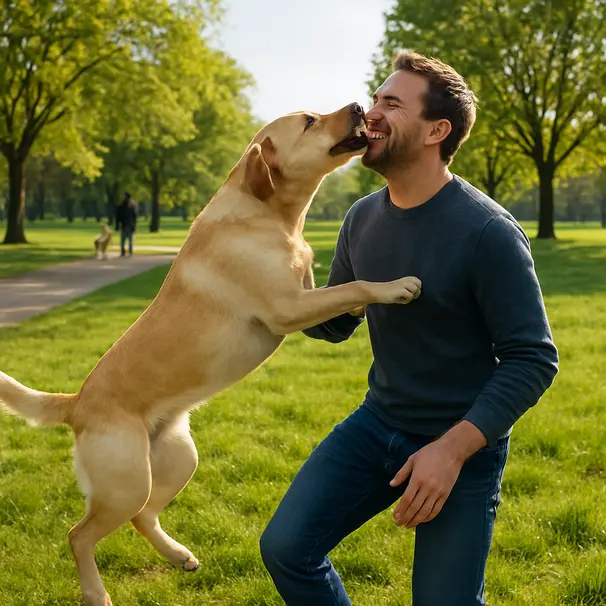
Sometimes licking may be a sign that something deeper is going on. Watch for these red flags:
- Excessive, repetitive licking that disrupts daily life or happens for long stretches.
- Licking combined with other stress behaviors: pacing, trembling, loss of appetite, or destructive chewing.
- Sudden change in licking patterns, which may point to pain, dental issues, or gastrointestinal upset.
If licking seems obsessive or you notice other worrying signs, consider a vet check. A veterinarian may rule out medical causes or refer you to a behaviorist if needed. Using language like “may be” or “consider” helps keep the approach calm and investigative rather than alarmist.
Practical tips for pet carers and sitters
As a pet carer, you may meet dogs with different licking habits. Here are friendly, professional practices to follow:
- Ask owners about licking rules: some owners love face licks, others don’t. Make a note in your care plan.
- Keep hygiene supplies handy: wipes and hand sanitizer for quick cleanups after affectionate greetings.
- Use consistent signals: if the owner prefers no face-licking, follow their training plan during walks and visits.
- Communicate gently: let owners know if a dog’s licking seems excessive or tied to anxiety during pet-sitting.
- Offer enrichment: many dogs lick less when they’re engaged in play, puzzle toys, or sniffing walks.
These small steps make visits safer and more enjoyable for everyone involved.

Small training exercises to try today
- “Sit for greet”: Ask for a sit before allowing close contact. Reward with a treat or calm praise.
- “Hand target”: Teach your dog to touch your hand with their nose. Use this as a polite alternative to licking.
- “Settle mat”: Encourage your dog to go to a comfy mat during greetings. Reward settling behavior to build calm habits.
Consistency and positive reinforcement are your best tools. Avoid punishing licking, since it can increase anxiety and make the behavior worse.
Final thoughts: read the signs and respond with kindness
Face-licking is a charming but complex behavior. For many dogs it’s affection and curiosity wrapped into one. For others it’s a calming strategy or a learned trick that gets attention. By watching body language, noting the context, and applying gentle training, you can shape how your dog shows affection.
If licking seems excessive or tied to stress, consider a vet visit or a consult with a certified dog trainer or behaviorist. They can help you rule out medical issues and create a plan that suits your dog’s personality.
Whether you decide to accept a few kisses or politely decline them, remember that this behavior stems from social instincts. With a little observation and clear communication, you and your dog can keep bonding in ways that feel good for both of you.
Thanks for reading. If you’re a pet carer, remember to ask about licking preferences when meeting a new dog. If you’re an owner, enjoy the affection, set your boundaries, and give yourself some slack—dogs show love in licks, wags, and sometimes goofy antics, and that’s part of the joy of living with them.