

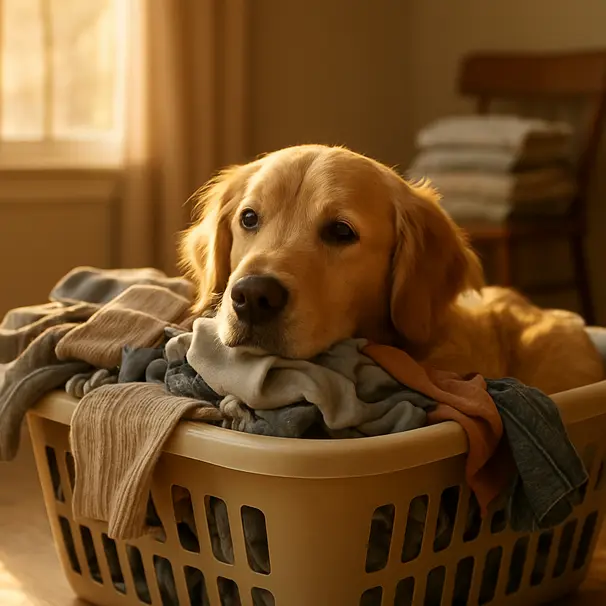
Why dogs nap under laundry
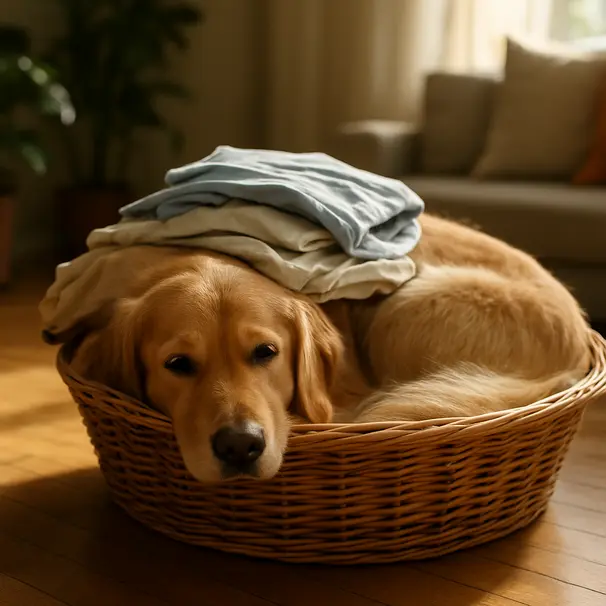
You might walk into a room and find your dog tucked beneath a towel, curled inside a basket, or snoozing under a pile of fresh shirts. It looks cozy, a little silly, and undeniably sweet. But this is more than a cute habit. For many dogs, napping under laundry taps into deep comfort instincts.
This post breaks down why dogs seek out laundry, what it can mean about their emotional and physical needs, and how pet owners and carers can respond with gentle, practical care. I’ve included real-life tips for setting up safe spaces, ways to redirect destructive chewing, and when to ask for professional help.
The instincts behind the behavior
Dogs evolved in social packs where safety came from closeness, scent, and shared warmth. Even though our pets live very different lives from their ancestors, those instincts still influence them. Laundry provides a few key comforts that echo pack life:
- Scent of home: Fabrics carry the smell of their humans. A sweater or blanket smells like you, and that familiar scent can soothe a nervous dog.
- Enclosed feeling: Being partially covered creates a den-like environment. Small, sheltered spaces often help dogs feel safer because they reduce visual stimuli.
- Softness and warmth: Piles of clothes are comfortable and trap body heat, making them perfect nap spots.
- Camouflage and quiet: A dog under laundry can remain hidden and less likely to be disturbed, which helps them rest.
These instincts are normal and common. Puppies and anxious dogs often seek out these behaviors more strongly, but even confident adult dogs sometimes prefer a laundry pile to a plush bed.
Scent matters more than we think
Dogs experience the world mostly through smell. Your scent on clothes can be as reassuring to them as a parent’s scent is to a child. Laundry is full of complex odors: your skin, hair products, and the comfort of a familiar environment. If your dog spends time near you while you fold clothes, they may come to associate the pile with calm, attention and routine.
What laundry offers: texture, temperature, and territory
Let’s break down the practical reasons laundry becomes a favorite nap spot.
- Texture: Fabrics like cotton and flannel are soft and conforming. Dogs like cozy textures that support their joints and body.
- Temperature: A stack of dry, folded clothes traps heat and creates a warm microclimate. For dogs that feel the cold, this is irresistible.
- Territory: A pile of clothes can carry the scent of your whole household. A dog can rest in a place that carries a concentrated sense of home.
- Familiar routine: Laundry often appears at predictable times. The rhythm of washing, folding, and putting clothes away can become part of a comforting routine for a dog.
For rescue or rescue-mix dogs, laundry can also be one of the first places they encounter your scent after arriving home. That strong scent connection helps them settle in.
When napping under laundry is perfectly normal
Most of the time, a dog napping on or under laundry is just fine. These behavior patterns usually signal comfort, not concern. You can feel reassured if:
- Your dog is relaxed and breathing easily while resting under laundry.
- The behavior is occasional or part of their normal nap routine.
- They still eat, play, and interact normally.
- There’s no chewing or shredding of fabrics that could create a choking hazard.
Puppies and senior dogs especially may prefer the extra softness and warmth laundry offers. Puppies explore with their mouths and often seek out snuggly fabric. Older dogs with joint stiffness may enjoy the extra cushion.
When to watch more closely
There are times when you might want to pay closer attention. Consider the following signs that the behavior could be revealing stress, discomfort, or a health issue:
- The dog hides under laundry more frequently or for long periods, avoiding family interaction.
- They show other anxiety signs, like pacing, trembling, panting, or destructive chewing.
- They start chewing or ingesting fabric, threads, or stuffing. Swallowed material can be dangerous.
- There are physical symptoms such as loss of appetite, weight change, skin irritation, or changes in bathroom habits.
- The dog was recently through a major change, such as moving house, family changes, or arrival of a new pet.
If you see persistent changes in behavior, consider a check-in with your veterinarian. A vet visit can rule out medical causes and help a behaviorist or trainer design a plan to support your pet.
Gentle ways to support your dog’s comfort needs
If your dog loves laundry, you don’t have to take the laundry away. Instead, you can use the appeal of fabric and scent to create safer and more predictable comfort zones.
- Offer dedicated scent items: Keep an old t-shirt or worn sweater you don’t mind sacrificing in your dog’s bed. This gives them the comfort of your scent without encouraging digging through fresh laundry.
- Make a cozy den: Use a covered crate or a cosy dog bed with a blanket draped over it to create a den-like space. Make this zone inviting with treats and quiet rewards.
- Rotate clean scent toys: Put a freshly laundered towel on their bed at nap time, then switch it out. That keeps the bed appealing while keeping your daily clothes tidy.
- Supervise laundry sessions: Fold clothes where your dog can see you, and give them a small treat or chew nearby so they feel included without making a mess.
- Teach a gentle “leave it” or “bed” command: Positive reinforcement training can help redirect a dog who becomes overly interested in piles of clothing. Reward calm behavior when they settle on their own bed instead of the laundry pile.
- Provide temperature options: If your dog is drawn to laundry for warmth, offer a heated pet pad or a thick orthopedic bed in cooler months.
Small changes like offering a dedicated comfort cloth can keep both your clothes and your dog safe.
Managing destructive chewing or eating fabric
Some dogs chew or eat fabric, which is unsafe. If chewing is the issue, try these practical steps:
- Increase supervision when laundry is out. Put fresh items on a high surface or in a closed basket when you can’t watch them.
- Offer chew-safe alternatives. Durable chews, puzzle toys, and long-lasting treats can reduce boredom and oral fixation.
- Enrich their day. More walks, playtime, training sessions, and mental games can lower anxiety-driven chewing.
- Avoid punishment. Yelling or harsh corrections can increase anxiety and make hiding behaviors worse. Instead, redirect and reward.
- Consider professional help. A certified trainer or veterinary behaviorist can suggest tailored strategies if chewing persists.
Remember, the aim is to replace risky behavior with safer, rewarding alternatives.
Laundry safety tips for households with dogs
A few household habits can reduce accidents and keep everyone comfortable:
- Keep laundry baskets upright and secured or use lidded hampers where practical.
- Avoid leaving small items like socks within reach unsupervised, especially with puppies.
- Check pockets for items like tissues, rubber bands, or small objects that could be swallowed.
- Use pet-safe detergents where possible. Strong fragrances or certain chemicals may irritate sensitive noses or skin. If your dog has skin issues, consider discussing detergents with your vet.
- Watch for heat sources. Don’t leave electric dryers or heaters on where a dog could get too close to warm laundry.
These simple steps make the laundry routine safer and less stressful for everyone.
When scent-seeking becomes separation anxiety
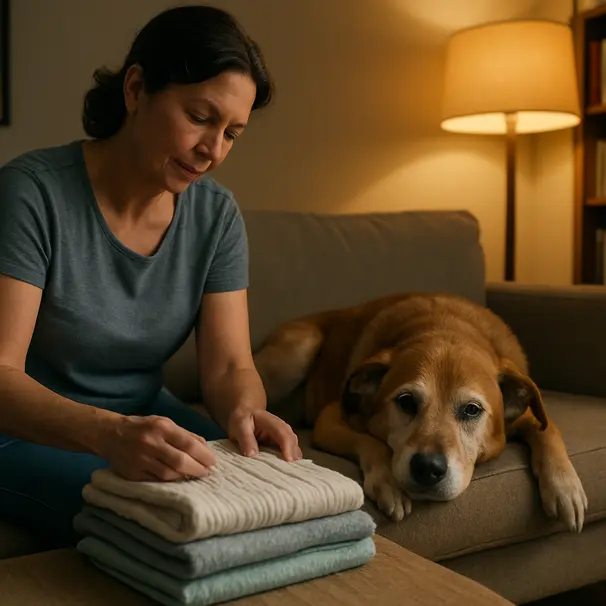
Scent-seeking behaviors, like burying themselves in your clothes, sometimes point to separation anxiety. Dogs with separation anxiety may follow you closely, become distressed when you leave, or show destructive behaviors. If your dog seems extraordinarily distressed when you prepare to leave, consider these supportive actions:
- Practice short departures and returns to desensitize them to your leaving cues.
- Create predictable routines. Dogs find comfort in consistent schedules for walks, meals, and rest.
- Use interactive food toys or enrichment during absences to keep their minds engaged.
- Consider calming tools like adaps (talk to a vet first). Some dogs may respond well to pressure wraps or pheromone diffusers.
- Get professional help if anxiety is severe. A behaviorist can help create a structured plan and recommend further options.
Separation anxiety can be challenging, but many dogs improve with a combination of training, management, and, if needed, veterinary input.
Tips for pet carers and sitters: respect the comfort cues
If you’re caring for someone else’s dog, it’s helpful to know their preferences. Ask owners about their dog’s favorite comfort items and whether they’re allowed to use clothing as a bed. Small things make a big difference:
- Ask for a worn item if the dog is anxious, or provide a dedicated scent cloth.
- Respect boundaries. If the dog prefers to nap in a particular spot, try not to disturb them for light household tasks.
- Keep laundry out of reach unless the owner says otherwise.
- Note changes in behavior and report them. A dog that suddenly starts hiding more may be stressed or unwell.
Being attentive to these details builds trust with both owner and dog.
Final thoughts
Finding your dog curled under a pile of laundry is a sweet reminder that dogs look for comfort in simple things. Soft fabrics, warm pockets of air, and the smell of home combine to create a safe, soothing spot. Most of the time this is harmless and comforting, but it’s also a useful clue about your dog’s emotional needs.
Create safe alternatives, offer familiar scents in a controlled way, and watch for signs that the behavior is part of a larger stress pattern. When you pair understanding with practical changes, you’ll protect your clothes and give your dog the cozy calm they clearly enjoy.
If you’re ever unsure whether behavior is normal, consider a vet check or consult a certified trainer. A little attention goes a long way toward keeping laundry tidy and tails wagging.
Thanks for reading. If your dog has a favorite laundry nap spot or a funny laundry story, share it with your sitter or fellow pet lovers. These small moments make pet care warm and human.