

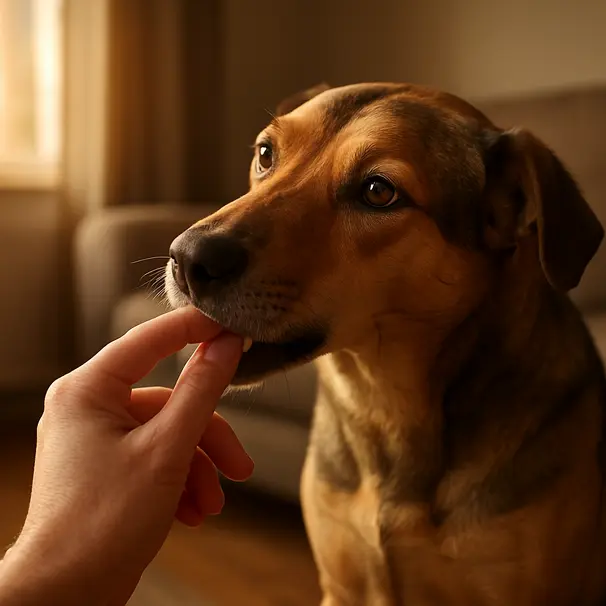
Why your dog gives you little nibbles
If your dog ever gives you a tiny, almost polite nibble, it can leave you smiling, puzzled or a little worried. Nibbling is common and usually gentle, but it carries meaning. In this guide I’ll walk you through the likely reasons dogs nibble affectionately, how to tell friendly nibbles from more serious mouthing, and practical tips for owners and carers to respond kindly and safely.
The nibble explained: what it looks like and why it matters
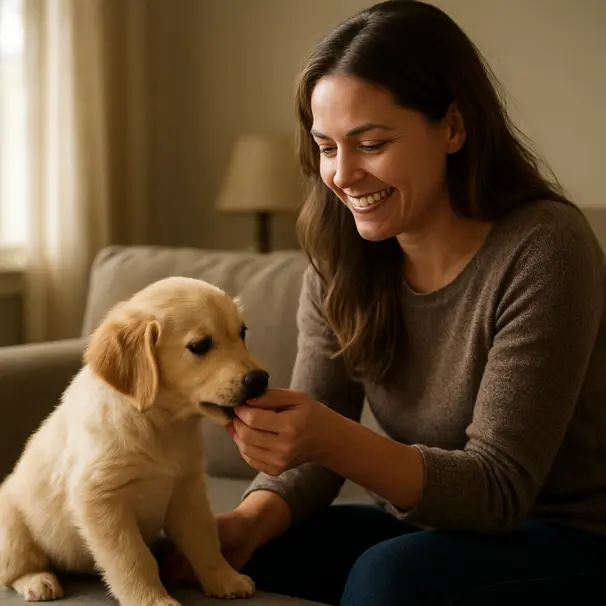
A nibble is usually a soft contact with the teeth rather than a full bite. It might feel like a light mouthing of your hand, ear, or chin. Dogs use their mouths to explore the world, much like toddlers do with their hands. Those quick, gentle mouth contacts can be a way to show trust, engage in play, groom, or ask for attention.
Understanding what a nibble means matters because it helps you respond in a way that reinforces good behavior and keeps everyone comfortable. The same little mouth contact can feel cute to adults but scary to small children. If you act calmly and knowingly, you help your dog learn how to interact appropriately with different people.
Nibble versus bite: subtle but important differences
There’s a clear difference between an affectionate nibble and an aggressive bite. With affectionate nibbling, the dog’s body language is relaxed: loose tail, soft eyes, relaxed mouth. The pressure is light, and the dog withdraws quickly. An aggressive bite often comes with tense body posture, hard eyes, growling or snapping, and heavier pressure.
If you’re ever unsure, step back and read the full context. Is the dog relaxed or stressed? Is the nibble part of play or a reaction to being startled? If a nibble feels sharp or the dog shows other warning signs, consider seeking advice from a trainer or a vet if it seems linked to pain.
Common reasons dogs nibble affectionately
Dogs nibble for many warm, friendly reasons. Below are the ones you’re most likely to see.
Grooming and social bonding. Dogs groom each other with gentle licking and occasional mouthing. A nibble can be a way your dog shows care, similar to a friendly nuzzle.
Attention-seeking. A soft nibble might be your dog’s way of getting you to look up from your phone or to start playing. It’s a gentle tap with a mouth.
Playful exploration. Especially in puppies, the mouth is a main tool for playing. Nibbling often appears during play invitations and may come with play bows and wagging tails.
Taste and curiosity. Your skin holds salty taste and traces of food. A curious dog might nip to sample or to prompt you to offer a treat.
Teething in puppies. Young dogs often mouth and nibble while their teeth come in. It helps soothe gums and gives them something to practice with.
Communication. Dogs sometimes nibble to say, “I want you to move,” or to guide another dog. When directed softly at a person, it can be an attempt to interact.
Learned behavior. If a nibble has reliably gotten attention or play in the past, a dog will repeat it. Positive reinforcement shapes behavior quickly.
Each of these reasons is normal, and many overlap. Observing your dog’s wider body language helps you pick the right interpretation.
Reading the full picture: body language matters
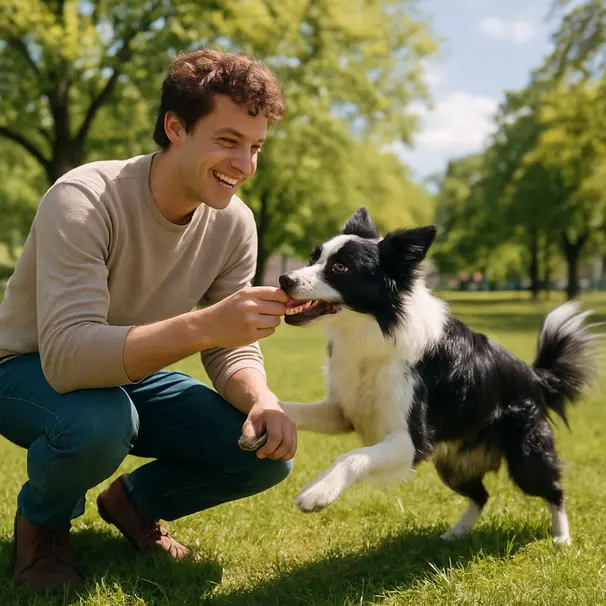
A nibble never happens in isolation. Look at the head, tail, ears, mouth and overall movement. Calm, happy bodies, relaxed muscles, and loose tails usually mean the nibble is affectionate. If the dog freezes, tenses, or has a tucked tail, that nibble could be a sign of stress or discomfort.
You’ll also notice vocal cues. Soft grunts or quiet sighs are often benign. Growls, hard barks or frantic snapping are red flags. Pay attention to who your dog chooses to nibble. Some dogs are more comfortable nibbling familiar adults and might be more reserved around strangers or children.
When affectionate nibbling is okay — and when to be cautious
Most of the time, nibbling is harmless and part of social life. Still, there are situations where you should act.
When nibbling is okay:
- It’s soft, brief and paired with relaxed body language.
- It happens during calm petting or gentle play and stops if you withdraw.
- It doesn’t happen around high-value food or in a way that startles people.
When to be cautious:
- The nibble is getting harder, more frequent, or starts to escalate into mouthing.
- It happens during handling that the dog finds uncomfortable, like nail clipping or vet checks.
- Young children are present and may misinterpret the behavior.
- There are sudden changes in bite pressure, which could indicate pain or irritation.
If you notice a change in how often or how hard your dog nibbles, consider whether there’s a medical cause. Pain, dental issues, or ear discomfort can make a dog more reactive. In those cases, consult your vet.
How to respond gently and teach a better habit
You don’t have to shut down a dog’s affectionate gestures. Instead, teach clearer ways to ask for attention and to keep nibbling gentle.
Practical steps:
Stay calm. If a nibble is soft, respond with a quiet “ah” and a gentle withdrawal of your hand. Avoid shouting or jerking away, which can make mouthing worse.
Reward alternatives. When your dog offers a paw, nose bump, or sits politely instead of nibbling, give praise and a tiny treat. This teaches a better way to get attention.
Use a “gentle” cue. Place a soft chew toy in the same moment a puppy nibbles and say “gentle.” Over time, you can reward gentle mouth behavior on the toy and phase out punishment.
Redirect with chew items. For teething puppies, keep a variety of safe chew toys handy. Offer the toy the moment the puppy starts mouthing your fingers.
Give consistent boundaries. Everyone in the household and your carers should respond the same way to nibbling. Consistency helps dogs learn quickly.
Teach bite inhibition. With puppies, if a nibble is too hard, a short, high-pitched “ouch” and a pause in play mimics how littermates teach bite force control.
If you find nibbling increasing or the dog seems stressed, bring in a professional trainer or behaviourist who uses positive methods. They can tailor techniques to your dog’s needs.
Tips specifically for pet carers and sitters
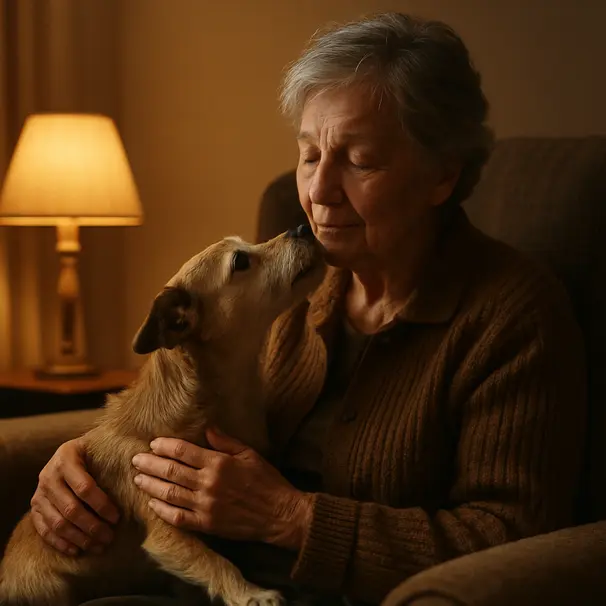
As a carer, you’ll meet dogs with different nibbling habits. Start slow and let the dog set the pace. Here are a few practical habits to adopt:
- Meet-and-greet calmly. Avoid leaning over a dog’s head. Let them come to you and sniff your hand.
- Ask the owner about their pet’s nibbling history. Learn any cues that help the dog feel comfortable.
- Keep treats and a chew toy handy. If a nibble starts, gently redirect to a toy and reward the dog for taking it.
- Communicate boundaries to owners. If you prefer a dog not nibble your hands, ask for permission to train an alternative cue during the sitting period.
- Protect kids. If children are present, teach them to stay still if a dog nibbles and to notify an adult rather than scream or pull away.
A consistent, kind approach makes your work easier and the dog calmer.
Practical enrichment to reduce unwanted nibbling
Sometimes nibbling comes from boredom or too much pent-up energy. Enrichment and regular exercise can reduce attention-seeking and mouthy behavior.
Ideas to try:
- Puzzle feeders and slow-dispensing toys that occupy the mouth and brain.
- Scent games like hide-and-seek with treats around the house.
- Short, frequent training sessions that teach cues such as “sit,” “touch,” or “wait.” Mental work tires dogs out just as much as exercise.
- Safe chew items rotated regularly to keep them interesting.
A tired, satisfied dog is less likely to nibble for attention.
Quick FAQ
Q: Is nibbling a sign of affection? A: Often it is. Many dogs nibble to bond, groom, or play gently. Context and body language help confirm affection.
Q: Should I stop my puppy from nibbling? A: Don’t shut it down entirely. Teach bite inhibition, provide chew toys, and reward gentle alternatives. If nibbling is rough, respond with a brief pause in play.
Q: When should I see a vet? A: If nibbling appears suddenly, gets harder, or coincides with other changes like loss of appetite or aggression, consider a vet check to rule out pain or dental issues.
Final thoughts: empathy, consistency and a gentle touch
Nibbling is a small, often sweet behavior that reveals how dogs use their mouths to connect. Responding with patience and clear cues turns a tiny mouth contact into a teaching moment. Whether you’re an owner or a carer, the keys are observation, consistent responses, and offering attractive alternatives.
Keep interactions safe for everyone, and remember to enjoy the little moments. Those gentle nibbles are often your dog’s way of saying you’re part of their pack.
If nibbling ever becomes confusing or worrying, reach out to a trusted trainer or your vet. A tailored plan can help everyone feel more comfortable and keep the cuddles coming.