

Why dogs roll in grass: a friendly guide for owners and carers
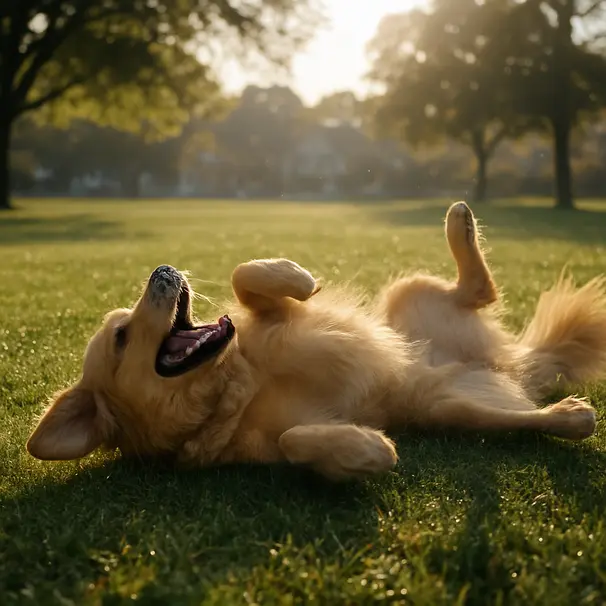
If you’ve ever watched a dog launch into a dramatic roll in the grass, you probably laughed, shook your head, and wondered what on earth was going on. That theatrical flop is more than a goofy moment. Dogs roll in grass for several natural reasons, and learning to read those cues helps you keep your dog comfortable, safe, and happy.
Quick preview: common reasons dogs roll in grass
- To spread or pick up scents
- To relieve an itch or irritation
- To cool off or dry their coat
- To hide or camouflage a scent
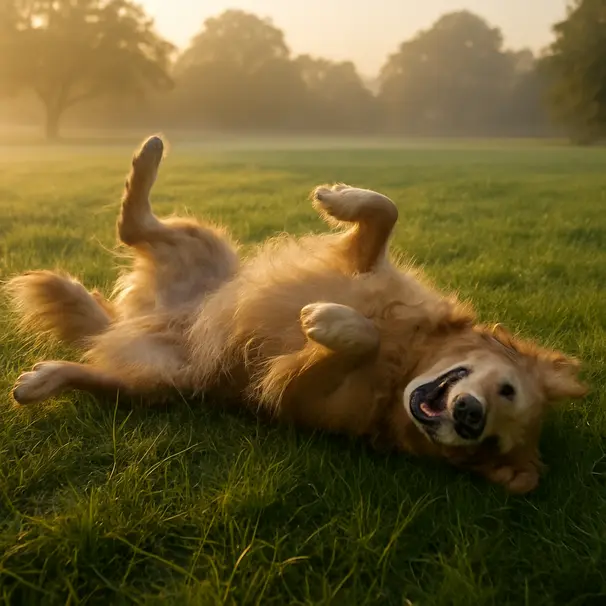
- To express joy or excitement
- To grab attention
Each of these reasons has its own little story behind it. Below we break them down, explain what to watch for, and give practical tips for owners and pet carers.
Scent is everything: smell-based reasons
Dogs experience the world largely through scent. Rolling in grass can be a purposeful way to mingle their own smell with the environment, or to pick up interesting odors.
- Scent-marking and scent-mixing: Your dog might be overlaying their scent on top of something they found, or adding a strong environmental scent to their own coat. This can be a social signal to other dogs, a way to say “I was here,” or just instinctive behavior.
- Camouflage and ancestral habits: Some researchers think rolling in strong smells may be an instinct inherited from wild ancestors. By masking their personal odor, wild canids could hide from prey or blend into a scent-rich environment.
These scent-related rolls often happen after your dog sniffs something intriguing, like animal droppings, a pile of leaves, or even a patch of freshly cut grass.
Comfort and physical reasons
Not all rolling is about smells. Sometimes it’s purely physical.
- Itch relief: Rolling can be a self-soothing motion to relieve an itch, especially around the back, hips, or shoulders. If your dog has a spot they can’t reach, rolling might help.
- Drying or cooling: After a swim or a wet walk, dogs may roll to help dry their fur or cool off on a breezy patch of grass. Grass can feel cool, soft, and comfortable.
- Stretching and body work: Rolling helps dogs stretch their spine and hips. It’s a bit like a human reaching for a good stretch after sitting too long.
If rolling looks energetic and playful, it’s likely a comfort or joy behavior. If your dog freezes, digs at the skin, or seems painful, consider checking for irritation or parasites.
Emotional and social reasons
Rolling can be a social behavior. Some dogs roll to show submission, to solicit play, or simply because they’re delighted.
- Play and joy: A happy dog who rolls after a zoomie likely does it from pure exuberance. These rolls tend to be loose and relaxed, often followed by a joyful shake or tail wag.
- Attention-seeking: If rolling earns pets, laughs, or treats, some dogs use it as a reliable attention-getter. Pet carers should note patterns and communicate them to owners.
Understanding the emotional context helps you decide how to respond. Reward calm behavior and gently redirect over-excited attention-seeking if it becomes disruptive.
When rolling could signal a problem
Most grass-rolling is harmless, but sometimes it signals something that needs attention.
- Fleas and parasites: Excessive rolling might point to fleas, ticks, or mites. If rolling is paired with chewing, constant scratching, or hair loss, consider a closer look.
- Allergies and skin irritation: Environmental allergies, contact dermatitis from plants or chemicals, and hot spots can make dogs roll awkwardly to relieve discomfort.
- Wounds, burrs, or foreign objects: Dogs may roll to rub out pricks or stuck burrs. Check the coat for seeds, stickers, or anything lodged near the skin.
- Behavioral changes: A sudden increase in rolling, especially if accompanied by lethargy, loss of appetite, or pain, might merit a vet visit.
If you suspect a medical cause, consult your veterinarian. Use phrases like “consider” and “may” when describing potential issues to avoid medical claims.
Practical steps: what to do when your dog rolls in grass
- Observe first. Is the roll relaxed and playful, or frantic and repetitive? Note frequency, context, and accompanying signs like biting or limping.
- Check the coat. After the roll, inspect for burrs, stickers, sticky substances, or visible skin irritation.
- Smell it gently. Not to be gross, but sometimes a strong, unusual smell on their coat explains the behavior, especially scents like skunk, animal droppings, or something pungent.
- Look for parasites. Part the fur and check for fleas, ticks, or redness. If you find pests, follow your vet’s recommended treatment and prevention plan.
- Clean if needed. A quick rinse or targeted bath with a gentle dog shampoo can remove smelly residues, pollen, or plant oils. Avoid over-bathing, which can dry skin.
- Note the environment. Was it a new park, a recently treated lawn, or a spot with lots of wildlife? Environmental details help owners and carers decide on next steps.
Training and redirection tips
If your dog’s rolling becomes an unwanted habit in certain places, a few gentle training strategies can help.
- Teach a reliable recall or “leave it” cue so you can redirect your dog before they flop down in questionable spots.
- Reward alternatives: Offer a toy, a sniff game, or a tasty treat when your dog chooses not to roll in a risky area.
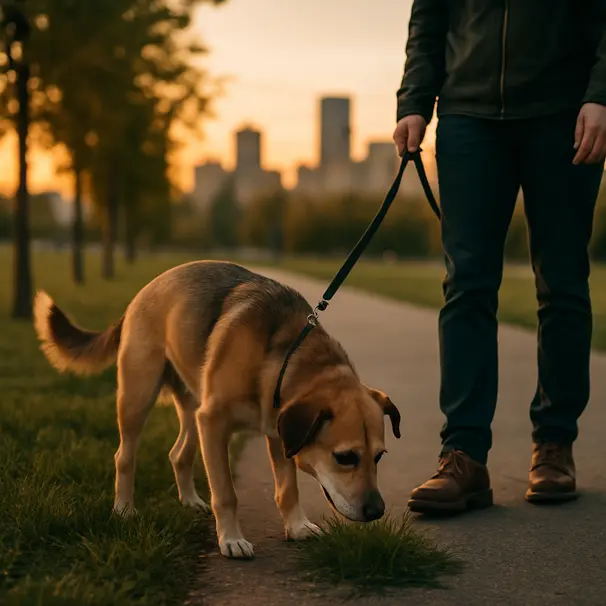
- Manage access: On walks, steer clear of suspicious patches, or keep dogs on shorter leads in high-risk areas.
- Consistency: Pet carers should communicate with owners about training approaches so the dog receives consistent signals.
Training isn’t about punishment. Use positive reinforcement to teach your dog safer habits while still allowing natural behaviors at appropriate times.
Safety tips for parks, fields, and public spaces
- Watch for toxin signs: Some lawns are treated with pesticides or fertilizers. If you suspect chemicals, keep your dog away and notify the owner or park staff.
- Avoid unknown plants: Some wildflowers and weeds can irritate a dog’s skin or be toxic if ingested. Learn common local hazards.
- Check for ticks after outdoor time: Ticks thrive in tall grasses. Use a tick check routine and consider season-appropriate prevention.
- Bring a towel: A small towel in your bag is handy for wiping paws and coat after a roll, especially before getting back in the car.
- Use park rules: If a park has a designated off-leash area, rolling there may be fine. Respect leash laws and be thoughtful of other park users.
For pet carers: communicating with owners
Pet carers have a responsibility to observe and report behaviors accurately and kindly.
- Keep notes: Log when, where, and how often rolling happens, plus any nearby environmental factors.
- Share photos: A quick photo of an odd patch of grass or a suspicious plant can help an owner decide whether to avoid the area later.
- Be proactive: If a dog is rolling repeatedly or seems uncomfortable, suggest the owner consider a vet check. Use gentle language like “I noticed your dog rolled several times and seemed itchy; you might want to consider checking for fleas or irritation.”
- Follow owner preferences: Some owners might prefer you redirect the behavior immediately, others might allow natural rolling in safe spaces. Clarify boundaries early.
Enrichment alternatives and safe outlets
If rolling is partly about joy and sensory stimulation, give your dog other ways to engage their nose and body.
- Scent games: Hide treats in grass or use scent trails to satisfy sniffing instincts without risky spots.
- Puzzle toys and food-dispensing toys: These engage the brain and reduce attention-seeking rolls aimed at getting reactions.
- Safe digging zones: If your dog loves the tactile experience of the ground, create a dig box with soil and toys to redirect energy.
- Structured sniff walks: Slow, sniff-focused walks take the pressure off long, high-energy bursts and let the dog engage naturally.
Balancing freedom with safe outlets keeps dogs happy and protects them from hazards.
Grooming and aftercare
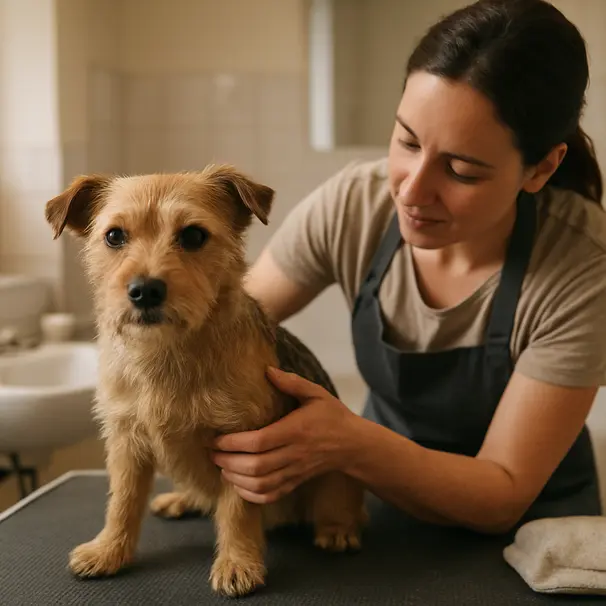
Regular grooming reduces the risk of rolling-related problems.
- Keep the coat healthy: Regular brushing removes loose hair and plant debris that might cause irritation.
- Inspect regularly: Check skin, ears, paws, and undercoat for foreign objects, redness, or parasites.
- Talk to your groomer: If your dog picks up a lot of debris after walks, a seasonal trim or extra attention to the undercoat may help.
If you bathe your dog after a particularly smelly roll, use a gentle shampoo and follow up with a good rinse. Drying thoroughly helps avoid damp skin issues.
Final thoughts: rolling is usually normal and often joyful
Rolling in grass is a normal, multi-purpose behavior. Most of the time it’s harmless and even beneficial, helping dogs communicate, relieve minor itches, or enjoy the textures and scents of the outdoors. The key is knowing the difference between a playful roll and a sign of discomfort.
Observe, check, and communicate. If something seems off, consider a vet consultation to rule out parasites, allergies, or skin conditions. For pet carers, clear notes and kind communication keep owners informed and dogs safer.
Let your dog have their goofy moments, and be ready with a towel and a gentle check. With a little attention and the right preventive care, rolling in grass can remain one of those charming, heart-melting behaviors that make dog ownership so rewarding.
Quick checklist for owners and carers
- Watch the context of the roll: playful or frantic
- Inspect the coat for burrs, pests, or wounds
- Keep a small towel and basic first-aid kit handy
- Use positive training to redirect unsafe rolling
- Communicate changes or concerns to the owner or vet
A little curiosity and care goes a long way. Happy sniffing, rolling, and exploring out there.