


Why we notice the sigh
Dogs sigh in ways that are small and easy to miss, but once you start paying attention, those little exhalations feel like conversation. A sigh can be a soft, long breath, a drawn-out exhale after a nap, or a heavy release after a moment of tension. As a pet owner or carer, learning to read those breaths helps you understand how a dog is feeling, and how you can help.

What a sigh can mean
Sighing isn’t a single thing. It can mean contentment, relief, mild frustration, or even a reset after stress. Context and body language matter most. Below are the most common reasons dogs sigh, and how to spot them.
Contentment and relaxation
One of the nicest sighs is the contented exhale after a good stretch, a cozy nap, or when your dog settles on the sofa beside you. They inhale, let their muscles soften, and release with a soft sigh. The eyes may half-close, the body loosens, and they might roll over for a belly rub. This sigh usually happens in a calm environment, and the dog looks peaceful.
Relief or release
Dogs can sigh after a minor tension or when something resolves. Think of a dog who’s been pacing while waiting for you, then sits and sighs when your keys hit the table. That exhale can be a calming release, like when a person exhales after a stressful phone call. The body often relaxes quickly afterward.

Mild frustration or impatience
A short, audible sigh can also say, “Really?” If your dog sighs while looking at a closed door, a toy out of reach, or after being ignored, it may be mild frustration. Pay attention to other signals like foot stamping, whining, or focused staring. This is rarely serious, but it’s a cue that they want something changed.
Boredom and settling behavior
When dogs are under-stimulated, they might pace, then sigh as they settle down. That sigh can be a sign that they’re accepting a lack of activity and moving into rest mode. It’s not unhappy exactly, but it suggests they might appreciate enrichment or a walk later.
Stress and anxiety
A sigh can be part of a stress response. If the exhale comes with tucked tail, panting, yawning, lip licking, or avoidance, it could indicate anxiety. These sighs tend to be deeper, more frequent, and often paired with other behaviors that show discomfort. In those cases, comforting but not crowding your dog is usually best. Consider removing the stressor or offering a calm distraction.
Read the whole body, not just the breath
Remember that a sigh is one piece of the puzzle. Look for posture, ear position, eye shape, tail movement, and vocalizations. For instance, a sigh with a wagging tail and soft eyes is very different from a sigh with a tucked tail and hard eyes. If a sigh appears alongside body tension or repeated signs of distress, consider stepping in gently.
Quick signals to pair with sighs
- Soft eyes, loose body, and a relaxed mouth usually mean contentment.
- Stiff posture, pinned ears, and a tucked tail with sighs may mean worry.
- Focused gaze, pawing, or pacing plus a sigh can mean impatience.
- Frequent, deep sighs over a short period could indicate discomfort or pain.
How to respond as an owner or carer
Your reaction can help shape what a sigh means to your dog. Here are practical, gentle steps to take.
For contentment and relaxation
If the sigh is pleasant and your dog looks relaxed, enjoy the moment. Sit nearby, offer gentle pets if it’s welcome, or let them nap. These are great bonding opportunities. Many dogs appreciate quiet companionship more than extended attention right then.
For mild frustration or boredom
Offer a change of activity. A short walk, a training game, or an interactive toy can turn frustration into engagement. If your dog sighs while waiting for you at the door, try a quick game of fetch or a training session to give that energy a healthy outlet.
For stress and anxiety
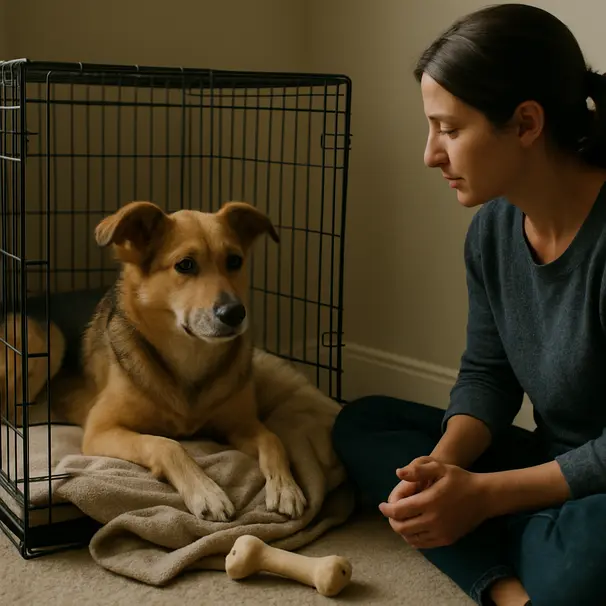
Avoid forcing contact if the dog is showing avoidance. Instead, lower your own energy, speak softly, and remove the stressor if possible. You can offer a safe space like a crate with a blanket and a favorite toy, or redirect attention to a calming activity. If you suspect ongoing anxiety, consider working with a trainer or vet to create a plan.
For possible pain or discomfort
If a sigh is new, frequent, or paired with other signs like reluctance to move, limping, or loss of appetite, consider a vet check. Use phrases like “may be” and “consider” when explaining possibilities, because only a vet can diagnose pain. Your observations about when the sighs happen will be useful in a clinic visit.
Practical tips for carers: noticing and noting
As a pet carer, you may look after dogs with different personalities and medical histories. Here are simple habits that help you read sighs better.
- Keep a short log. Note when sighs happen, what preceded them, and any other behaviors. A few days of notes can reveal patterns.
- Check the environment. Changes in routine, visitors, or loud noises can trigger sighs of stress or relief.
- Share observations. Communicate clearly with the owner about what you notice, when it happens, and how the dog responds to your interventions.
- Use calming tools. A chew toy, a familiar blanket, or gentle music can shift a stressed dog into a more relaxed state.
Simple enrichment ideas that reduce sighs of boredom
If your dog’s sighs point to boredom, enriching their day can help. Here are practical, easy options that many carers and owners can offer.
- Puzzle feeders during mealtimes.
- Short training sessions that reward with high-value treats.
- Rotating toys to keep novelty.
- Short sniffing walks where the dog sets the pace.
- Indoor scent games that let them use their nose.
These activities provide mental stimulation and often reduce sighing that comes from under-stimulation.
When to check with a vet
Sighing alone usually isn’t an emergency, but there are signs that suggest professional advice. Consider a vet visit if you notice any of the following alongside sighing:
- Sudden change in frequency or character of sighs.
- Signs of pain, like yelping, limping, or reluctance to move.
- Changes in appetite, drinking, or elimination.
- Respiratory changes such as persistent coughing, wheezing, or labored breathing.
If you’re unsure, calling your vet to describe what you see and ask whether an appointment or an exam may help is a good step. Keep in mind that routine observations and your notes are very useful during a consultation.
Communicating sighs to owners as a carer
When you care for someone else’s dog, clear and compassionate communication builds trust. Here are friendly ways to share what you notice:
- Start with the positives. “Buddy settled quickly and sighed a few times, looked comfortable.”
- Describe specifics. “He sighed after we walked, and then lay down with soft eyes.”
- Offer a suggestion. “I gave him a puzzle feeder to give him more to do, and that seemed to help.”
- Ask questions. “Has he been sighing more lately at home? Any changes in routine?”
Owners appreciate brief, factual updates with a warm tone. That helps them decide if they want follow-up actions.
Quick FAQ
Is a sigh the same as a yawn?
No. A sigh is usually a relaxed exhale that follows a breath, while a yawn is a mouth-opening reflex often linked to tiredness or mild stress. Both can appear together, but they mean different things.
My dog sighs a lot, is that normal?
Some dogs sigh more than others. If the sighing is a long-term habit without other signs of distress, it may be part of their normal behavior. If it changes suddenly or comes with other concerning signs, consider discussing it with a vet.
Can training change sighing behavior?
Training won’t stop natural sighs, but consistent enrichment and structured activities can reduce sighs linked to boredom or frustration. Positive reinforcement training helps give dogs predictable outlets for their energy.
A final note for pet lovers
Sighs are tiny conversations. They often tell us that a dog is relaxed, relieved, or ready for something different. By paying attention, offering appropriate responses, and checking with professionals when things change, you help your dog feel safer and more understood. Whether you’re a daily caregiver or a trusted sitter, noticing those quiet breaths is a simple way to deepen your bond.

If you ever feel unsure about what a sigh means, make a few notes, watch for other signals, and talk to the owner or a vet. Calm, consistent care usually does the trick, and sometimes the most helpful thing is a quiet presence and a warm lap.