

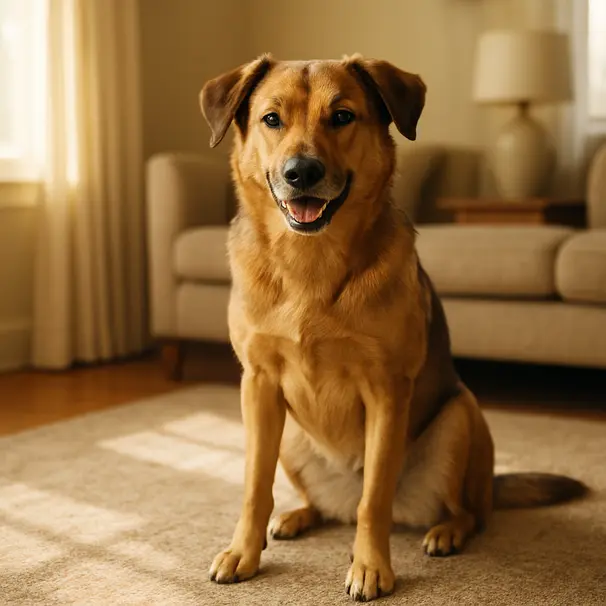
Why do dogs smile? A warm look at doggy expressions
If you’ve ever caught your dog with a relaxed open mouth and soft eyes, you probably thought, “They’re smiling.” That instinct to call it a smile makes total sense. Dogs are social animals and they use facial expressions to communicate. Still, dog smiles can mean different things depending on the moment. This article helps you read those smiles, respond kindly, and tell a true happy grin from something more worried.
Smile vs. show of teeth — what to look for
A classic happy face is an open mouth, tongue relaxed, eyes soft and maybe a wagging tail. But teeth can also be shown in other ways. A submissive grin is usually gentle, with the corners of the mouth pulled back and lowered posture. An aggressive baring of teeth looks stiff, accompanied by hard eyes, tense body, and upright ears. Context matters more than any single movement.
What a genuine dog smile looks like
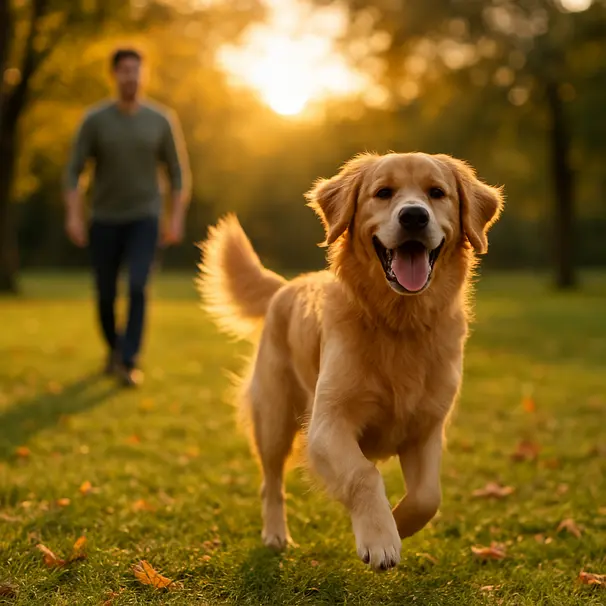
A genuine, relaxed smile usually comes with a package of calm signals. Look for these signs:
- Soft eyes and relaxed eyelids. The dog may blink slowly.
- Loose, relaxed mouth with tongue visible or gently hanging out.
- Wagging tail, often mid-height or lower, with a loose-body wiggle.
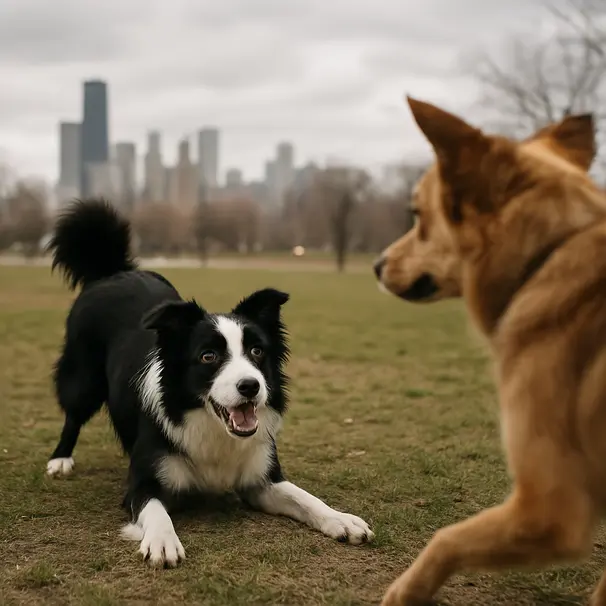
- Playful posture such as a play bow when inviting interaction.
When these cues appear together the dog is probably comfortable and content. You might see this after a good walk, during a cuddle, or while playing with a trusted person or dog.
Why the mouth opens
Dogs pant naturally to cool themselves and to calm themselves during excitement. An open mouth with the tongue out can be about temperature regulation, excitement, or simply feeling relaxed. That’s why a smiling dog at a sunny park could be partly panting, partly happy, and partly cooling down.
Smiles that mean something else: stress, appeasement, and nerves
Not every smile is purely joyful. Dogs have evolved subtle facial gestures to avoid conflict and keep the peace. These include:
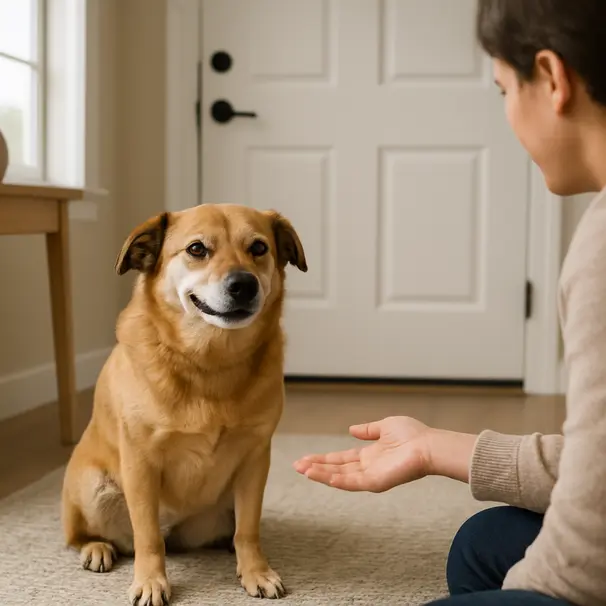
- The appeasement grin: the mouth corners pulled back, head lowered, often accompanied by a slight crouch. It’s a way of saying “I’m friendly” or “I don’t want trouble.” This is usually harmless, but it signals the dog is trying to reduce tension.
- Nervous grin: you may see lip licking, yawning, or a tight, thin-lipped grin when a dog is anxious. Their body may look stiff, and they may avoid direct eye contact.
If you’re unsure, watch the whole body. A smile paired with stiff posture, pinned ears, or a tucked tail might mean the dog is uncomfortable, not happy.
Common situations and what the smile might mean
- Meeting new people: A soft smile with a low body and wagging tail usually shows greeting and friendliness. If the dog moves back or freezes, it may feel unsure.
- At the vet or groomer: A grin here could be appeasement. Many dogs try to defuse a stressful situation with submissive signals.
- During play: The wide open-mouth pant with a loose body and play bow is a clear happy invitation.
- When scolded: A pulled-back mouth with lowered eyes often means the dog is trying to apologize or avoid conflict.
Puppy smiles and learning
Puppies are still learning what different expressions mean. They often copy adult dogs and people. A puppy’s grin can be playful, submissive, or just an expression while catching their breath after romping. Encourage calm play and consistent cues to help them develop clear communication skills.
How human smiles influence dogs
Dogs are tuned into our faces. They pick up emotional cues from humans and may mimic expressions. If you greet your dog warmly while smiling and speaking softly, they might mirror that relaxed expression. This social mirroring helps strengthen the bond between you.
That said, dogs don’t always interpret human smiles the way we do. Leaning over a dog while smiling broadly might be overwhelming for a nervous dog. Watch how your dog reacts and adapt. A calm approach is usually best.
When a dog ‘smile’ could be a warning sign
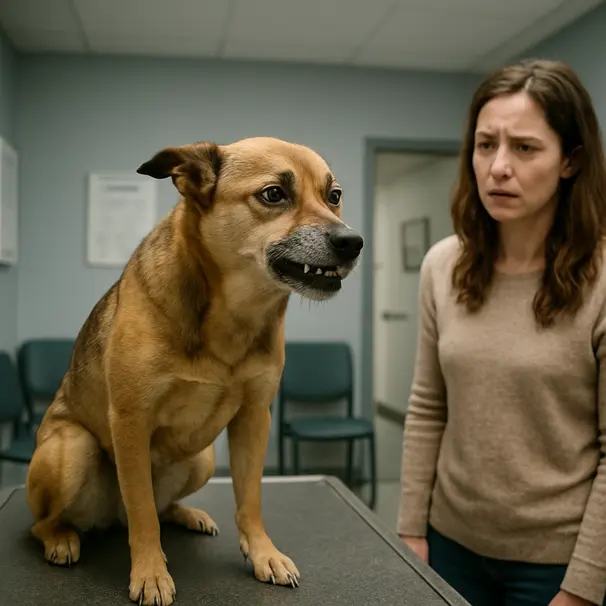
A genuine, content smile is relaxed. But if you see these alongside tooth showing, consider a warning:
- Stiff body with raised hackles.
- Hard, fixed stare.
- Growling or lip curling.
- Tail held high and rigid.
If you notice those signs, give the dog space and avoid forcing interaction. If aggressive behavior occurs or the dog significantly changes their behavior, consult a professional trainer or your vet to rule out pain or medical issues.
Reading the whole picture: body language basics
To understand a smile, combine it with other cues. Here’s a quick checklist to help:
- Eyes: soft and blinking, or wide and fixed?
- Mouth: relaxed and open, or tense and pulled back?
- Ears: neutral, forward, or pinned back?
- Tail: wagging loosely, tucked, or held rigid?
- Body: loose and wiggly, or stiff and frozen?
Use the checklist during different moments: walks, play, grooming, and introductions. Over time you’ll recognize your dog’s baseline and spot changes faster.
Practical tips for encouraging positive smiles
- Reward calm behavior: When your dog approaches with a relaxed open mouth, reward them with gentle praise or a small treat. This reinforces calm greetings.
- Teach polite greetings: Train sit-and-wait at the door and for people. This reduces overexcitement and leads to calmer faces.
- Manage stressful situations: Provide a quiet space, take slow introductions, and use familiar toys or smells to comfort the dog.
- Keep grooming pleasant: Short, positive sessions with treats can turn a nervous grin into a relaxed one over time.
Training ideas that help
- Desensitization: Gradually expose your dog to a feared stimulus at a low intensity, rewarding calm responses.
- Counter-conditioning: Pair a previously stressful event with something positive, like treats, to change the dog’s emotional response.
- Clear cues: Use short commands and consistent rewards so your dog knows what you expect.
Remember to be patient. Some dogs need weeks or months to shift their emotional responses. If you’re unsure how to proceed, a qualified trainer can offer step-by-step guidance.
When to check with a vet or trainer
If a dog’s smiling behavior changes suddenly, or if you see signs of pain, confusion, or increased aggression, consider consulting a vet. Pain can make a normally happy dog appear tense or show unusual facial expressions. A vet check helps rule out medical causes.
If behavior is more about social discomfort or fear, a professional trainer or behaviorist can help you build a plan. Choose reward-based trainers who focus on building trust.
Quick guide: what to do in common moments
- Friendly greeting: Smile back softly, talk in a calm voice, and offer a relaxed pet if the dog leans in.
- Nervous grin at the vet: Give space, speak gently, and use treats to create positive associations.
- Hard, toothy show with stiff body: Step back, keep everyone safe, and avoid forcing interaction.
- Play bow with open mouth: Join the fun, keep play controlled, and redirect if it gets too rough.
Final thoughts: smiles build bonds
Dog smiles are part of a larger language. They can mean joy, request for peace, stress, or simply panting after exercise. The key is to observe context, read the rest of the body, and respond kindly. A calm, consistent response helps your dog feel seen and safe.
Keep practicing, and celebrate the small moments when your dog offers that relaxed, contented smile. It’s one of the sweetest ways dogs tell us they trust and enjoy our company.
Extra resources: consider books on dog body language, local trainers, and vet behaviorists if you want deeper support.
A quick checklist to keep handy:
- Look at eyes, mouth, ears, tail, and posture.
- Consider the situation: play, greeting, stress, or heat.
- Respond with calmness, reward relaxed behavior, and give space when needed.
Thanks for caring enough to learn more. Your attention helps dogs feel safer and happier, and that’s a big part of being a great owner or carer.