

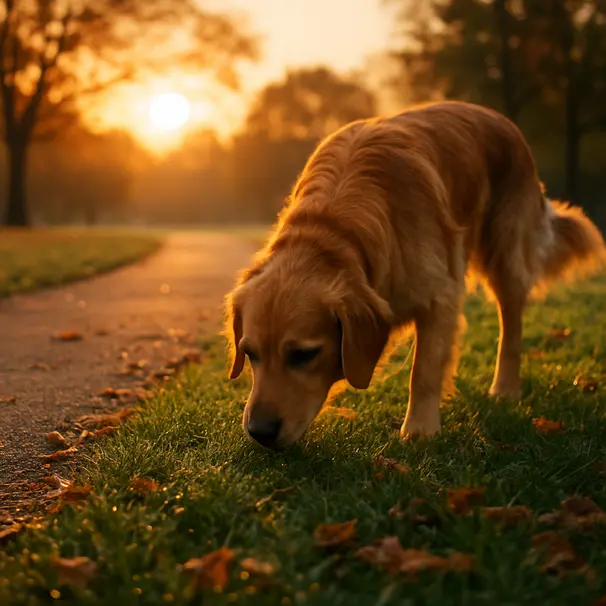
Why your dog stops to smell everything
If you’ve ever wished your walk moved a bit faster, you’re not alone. Many owners find themselves waiting while their dog investigates a single patch of grass. But to a dog, sniffing on walks is like reading a newspaper, having a chat, and solving a puzzle all at once.
Dogs rely primarily on scent to understand the world. That makes a walk far more than exercise. It’s a chance for them to gather social information, map their environment, and get mental stimulation. Instead of thinking of sniffing as dawdling, it helps to see it as an important canine activity with real benefits.
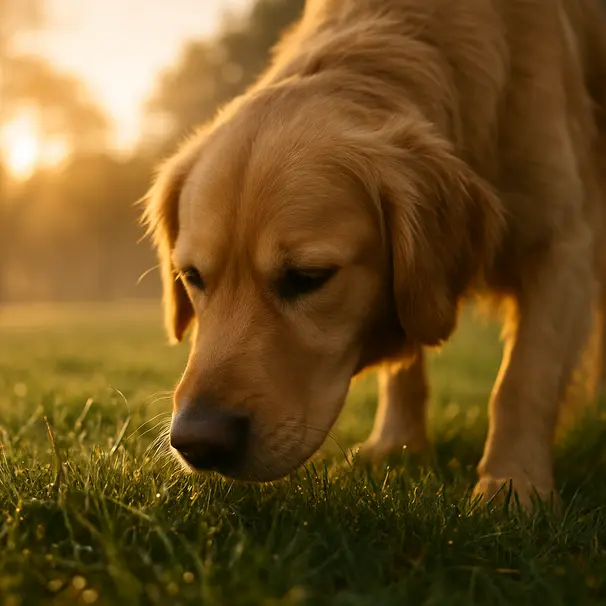
The superpower of a dog’s nose
Dogs have many more scent receptors than we do, and different parts of their brains are devoted to processing smells. They can detect tiny traces that humans miss entirely. A few key points:
- Scent is information-rich. A single sniff can tell a dog who passed by, how long ago, what they ate, and even their emotional state.
- Dogs use both their main olfactory system and a specialized organ called the vomeronasal organ. The latter may help them detect pheromones and social cues.
- Sniffing engages the brain in a different way than running does, offering cognitive work that can leave a dog pleasantly tired after a walk.
Understanding this helps us appreciate why dogs spend so much time smelling the ground, lampposts, and bushes. They’re collecting data.
What dogs learn from a sniff
A lot is happening in a dog’s head during a sniff:
- Identification: Who was here? Is it a dog they know, a cat, another person, or a wild animal?
- Timeline: Fresh smells tell stories about recent visitors; older smells build a scent map of the area.
- Emotional context: Dogs may detect stress or excitement in other animals.
- Territory and travel routes: Familiar scent trails help them navigate and feel secure.
These details shape how your dog behaves during a walk, how they react to other dogs, and even how comfortable they feel in certain places.
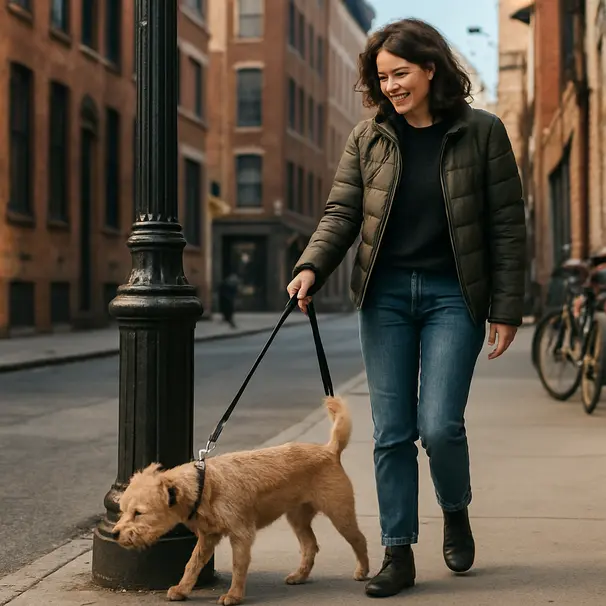
Social sniffing: the polite canine hello
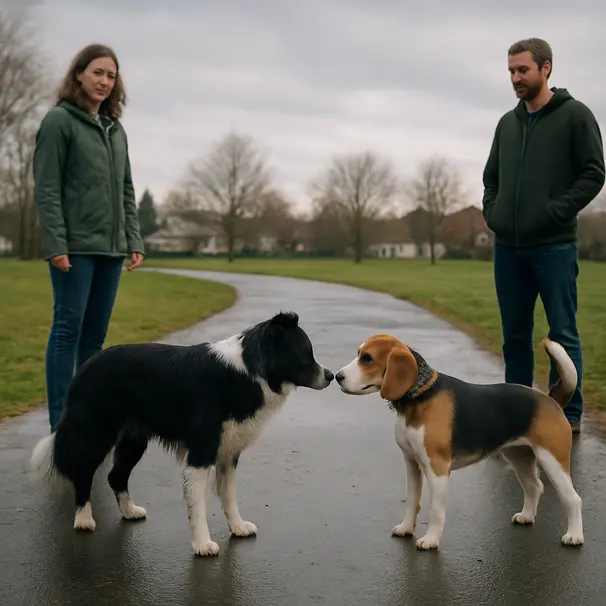
When dogs greet each other, sniffing is their handshake. It’s how they learn names and memories. Dogs often go straight for the face, ears, and rear end, because those areas are scent-rich and full of biological signals.
For pet carers, this is useful to know. Letting dogs take a moment to gather information at a safe distance can prevent awkward greetings and reduce tension. Supervised social sniffing, done calmly, can be an important part of their social education.
Sniffing is mental exercise, too
A busy nose equals a busy brain. Mental work can tire a dog in ways running can’t. Consider these benefits:
- Reduces boredom: Exploring scents occupies their mind, which can lower destructive behaviors at home.
- Builds confidence: For nervous dogs, scent-based walks let them control what they investigate at their own pace.
- Supports training: Dogs who get scent time may be more focused when asked to do specific tasks because they’ve had their mental needs met.
If your dog seems calmer after a walk where they sniffed a lot, that’s likely why.
Safety and boundaries during sniffing
Sniffing is healthy, but there are a few practical concerns to keep in mind:
- Hazardous items: While dogs sniff, they may encounter sharp objects, spoiled food, or toxic plants. Keep an eye and gently redirect if needed.
- Busy roads and cyclists: If your dog is absorbed in a scent near danger, gently guide them to a safer spot.
- Unwanted interactions: If another dog approaches while your dog is deeply focused, be ready to move to a comfortable distance.
If your dog regularly eats things they find while sniffing, consider a training plan and ask your vet for advice, since scavenging can bring health risks and may benefit from professional guidance.
How to balance sniffing with a structured walk
Many owners want their dog to enjoy sniffing without the entire walk turning into a full stop. Here are practical, friendly strategies that can help:
- Use a sniff-friendly schedule: Let your dog have a few long sniff breaks during the walk, and ask for walking between them. For example, allow five minutes of sniffing after a calm 10-minute walk.
- Teach a release cue: Use a simple marker like “let’s go” or “all done” and reward the transition from sniffing to moving. Keep the cue consistent so your dog learns the routine.
- Shorten or lengthen based on needs: Puppies and senior dogs may need shorter sniff sessions. Active adult dogs can benefit from longer exploration time.
- Try a long lead in safe areas: This gives your dog freedom to investigate without pulling you, and you can gently guide them away from hazards.
These tactics let your dog fulfill their sniffing needs, while keeping walks orderly for owners and carers.
Training tips for dogs who refuse to move
Some dogs become deeply fixated on a scent and ignore calls. Tackle this with positive steps:
- Reward movement: Carry tasty treats or a favorite toy and reward small steps away from a scent. Gradually increase the distance you expect.
- Use high-value rewards: For dogs who ignore normal treats, reserve something extra special for transitions.
- Stay calm and patient: Frustration can make dogs dig in. Praise gently and keep the mood light.
For persistent problems, a professional trainer or behaviorist can help build a step-by-step plan tailored to your dog’s personality.
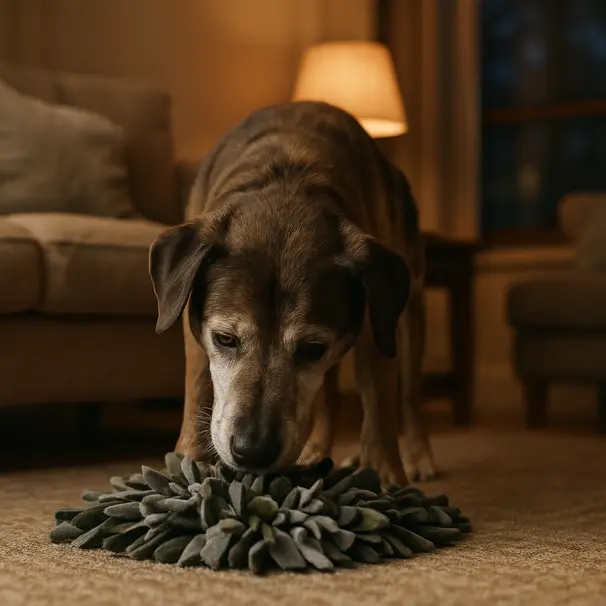
Enrichment you can do at home to satisfy the nose
If you can’t always offer long sniffing walks, bring scent work inside. These activities use their natural abilities and can be fun for carers and owners alike.
- Scatter feeding or puzzle feeders: Hiding food encourages searching and slows eating.
- Scent trails: Drag a treat or a safe scented object along the ground for your dog to follow to a reward.
- Snuffle mats: These let dogs forage for kibble, mimicking the searching they love outdoors.
- Scent games: Hide treats in boxes or around the house and ask your dog to find them.
These options can help replicate the mental stimulation of a sniff-heavy walk, especially on rainy days or when time is tight.
What if my dog obsessively sniffs everything?
Some dogs become hyper-focused on smells to the point it interferes with daily life. This could be habit, high arousal, or anxiety. If sniffing seems compulsive or your dog won’t respond to normal cues, consider these steps:
- Rule out medical issues: Changes in behavior can sometimes relate to health. Consider discussing it with your vet.
- Work with a trainer: A qualified trainer can assess motivation and teach alternatives.
- Increase enrichment: More mental tasks and play can reduce obsessive sniffing.
Always approach this gently. Harsh corrections can increase anxiety and make the behavior worse.
Quick safety checklist for sniff-filled walks
- Watch for dangerous objects and spoilt food.
- Keep control near roads and busy paths.
- Carry water and a way to clean paws if needed.
- Have treats or rewards handy for transitions.
- Consider a harness for dogs who pull when excited by smells.
These small steps can keep enjoyable sniffing safe for everyone.
For pet carers: tips to make clients’ walks better
If you walk dogs for other people, sniffing time is a big part of your service. Clients will appreciate that you understand why dogs sniff and that you give them quality sensory time. Here are some pro tips:
- Ask about preferences: Some owners want brisk walks, others want lots of sniffing. Match your walk to their goals.
- Report what you notice: If a dog’s sniffing increases or decreases significantly, mention it to the owner. It can be a clue to health or confidence changes.
- Use enrichment on walks: A short scent trail or a slow sniff session can make the walk more meaningful.
- Keep photos and notes: Clients like updates showing their dog exploring and enjoying the walk.
Respecting a dog’s need to sniff helps build trust and makes you a better carer.
Final thoughts and simple takeaways
Sniffing is a vital, natural activity for dogs. It’s how they learn, relax, and connect. As owners and carers, we can support that instinct by allowing safe sniff time, teaching gentle transitions, and offering scent-based enrichment at home. When you change your view of sniffing from dawdling to essential activity, walks become more satisfying for both of you.
If you have concerns that sniffing is extreme or linked to health changes, consider talking with a vet or a qualified behaviorist. Small adjustments can make walks calmer and more rewarding.
Happy sniffing, and enjoy discovering what your dog discovers on your next walk.