

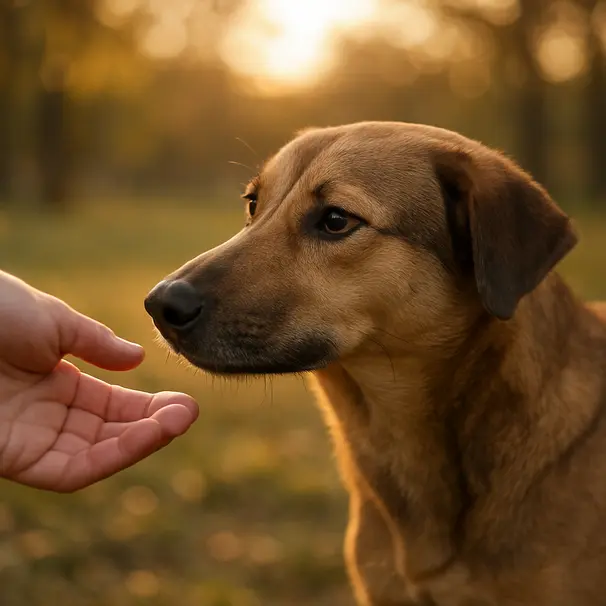
Why dogs sniff people
If you’ve ever been approached by a curious nose thrust into your pocket or hand, you know how normal sniffing feels to a dog. Dogs explore the world largely through smell. Their noses are far more sensitive than ours, and sniffing a person gives them a rich, layered story: where you’ve been, who you met, what you ate, and even your emotional state.
Sniffing is social. A dog saying hello with a snuffle is a canine version of a handshake. It’s how dogs exchange information, check safety, and decide how to interact next. Puppies learn this early. Older dogs keep using scent as a quick, accurate way to orient themselves.
That said, sniffing can be inconvenient or awkward for people. Some dogs dive in too enthusiastically, sniff too long, or bother guests who don’t like it. For carers, walking clients, or busy households, managing sniffing becomes a matter of etiquette and safety.
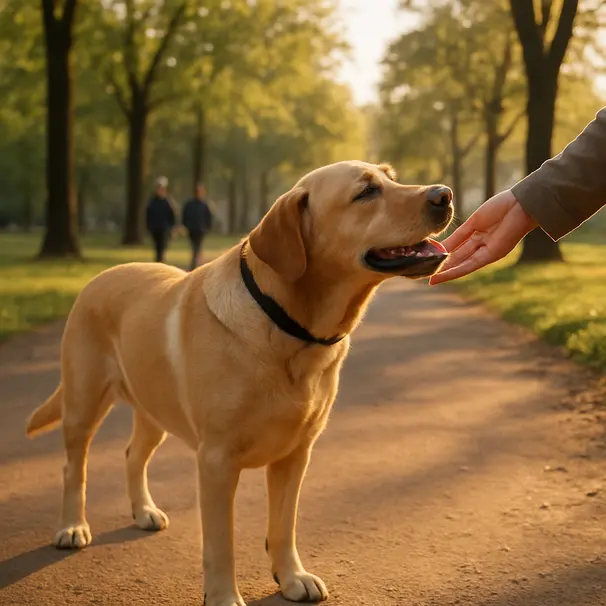
When sniffing is harmless and when to be concerned
Most sniffing is harmless and natural, but you can watch for signs that it should be managed:
- Polite, brief sniffs while standing still: normal and social.
- Nose-first lunges toward faces, pockets, or crotches: uncomfortable for people and worth training out.
- Persistent sniffing that stops other behaviours: may indicate anxiety or compulsive patterns.
- Sniffing combined with mounting, growling, or stiff body language: get help, it might be poor impulse control or reactivity.
If sniffing is paired with repeated mouthing, resource guarding, or over-arousal, consider consulting a trainer or vet. You might want to rule out medical causes for sudden changes in behaviour, such as pain or sensory issues. Use cautious language with owners: avoid saying there’s a medical problem, instead suggest they consider a vet check if the behaviour changes suddenly.
The quick, friendly approach: set expectations for greetings
Before you train, decide how you want your dog to greet people. Common polite greetings include:
- A calm, brief sniff while seated, then disengage.
- A sit-and-wait greeting, where the dog sits near you while the person approaches.
- Focus on a treat or toy when meeting guests, so the dog exchanges attention for a reward.
Clear expectations help everyone: family members, visitors, and pet carers. Consistency makes training faster and keeps dogs relaxed.
Teaching polite greetings: step-by-step exercises
Below are step-by-step training ideas you can try at home or while providing care. All rely on positive reinforcement and short, fun practice sessions.
1. Teach a reliable “sit”
A solid sit is the foundation for polite greetings. If your dog can sit when asked, you can control where their nose is. Start in low-distraction settings, ask for sit, mark and reward quickly. Practice for short bursts, several times a day.
2. Reinforce attention on cue
Train your dog to look at you on cue, often called “watch me” or “look.” Hold a treat near your face, say the cue, and reward the glance. Gradually increase the time they hold eye contact. This gives you a friendly alternative to sniffing: attention that can be exchanged for a treat or praise.
3. Teach a friendly “trade” or “leave it”
Dogs often sniff because they’re curious about a scent. Teaching “trade” or “leave it” helps them give up sniffing in exchange for something they prefer. Offer a high-value treat the moment they move away from the sniff target and praise warmly. Over time, the dog learns sniffing can be swapped for a better outcome.
4. Controlled approach practice
Set up mock greetings with a family member or a helper. Have the person approach calmly, avoid direct face-to-face leaning in, and ask your dog to sit. If the dog sits calmly, allow a short sniff and then cue attention or give a treat. Gradually reduce sniff opportunities as the dog learns to greet more politely.
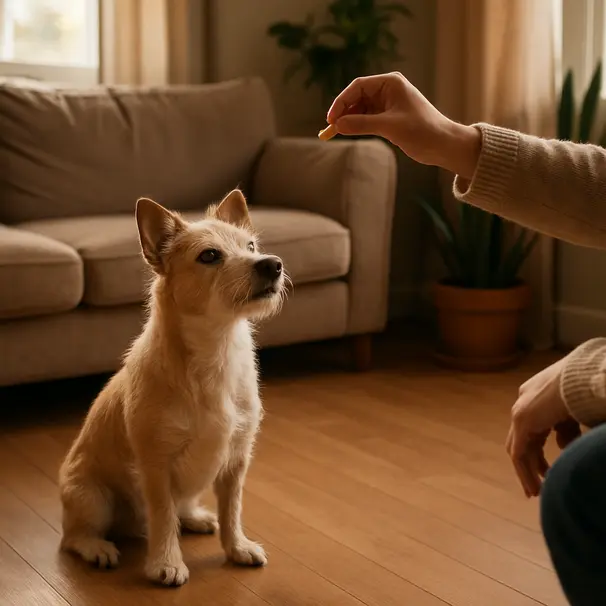
5. Use a leash for predictable introductions
Leash control helps you prevent lunging and sudden dives. Keep your dog on a loose leash rather than scrunched at the collar. If the dog gets too close to a person, step back, re-establish a sit, and reward calm behaviour. Avoid jerking or harsh corrections, which can create fear and make sniffing worse.
Carer-specific tips: introducing your dog to new people
Pet carers and walkers meet new people and dogs frequently. Simple protocols can make introductions smooth and professional:
- Ask the owner if the dog has greeting rules and follow them exactly.
- Introduce new people in neutral spaces when possible, not right inside the home or near food.
- Keep initial greetings brief and low-key. Encourage guests to ignore the dog until it calms.
- Carry small treats for quick reinforcement, but use them judiciously to avoid overfeeding.
- If a dog is reactive or fearful, skip free sniffs and use distance-based desensitization instead.
Management and enrichment to reduce excessive sniffing
Sometimes sniffing increases because dogs need more mental stimulation. Try these management strategies to reduce attention-seeking sniffing:
- Enrichment walks: Let your dog spend time sniffing during parts of walks. Use a longer lead or allow a designated sniffing time so they get their olfactory fix.
- Food puzzles and scent games: Hide treats for the dog to find, teaching them to use their nose in a controlled way.
- Scheduled one-on-one attention: If sniffing is about seeking connection, regular cuddle or play sessions can reduce intrusive greeting behaviours.
- Consistent routines: Dogs often over-engage when life is unpredictable. Predictable feeding, walking, and play schedules can help.
Troubleshooting common challenges
Here are some situations carers and owners run into, and quick fixes you can try.
- Dog jumps up and then sniffs faces: Teach an alternative like “four on floor” and reward the dog for keeping paws down. Keep greetings calm and reward desirable posture.
- Dog obsessively sniffs pockets or bags: Use a “watch me” cue and trade for treats when the dog disengages. Keep tempting items out of reach when guests arrive.
- Guests who want to pet immediately: Politely ask them to wait until the dog is calm. Offer a scripted line: “Please ignore until she sits, then you can pet gently.” Most people are happy to help.
Signs the problem might need professional help
Simple training usually helps most dogs, but look out for red flags that suggest you should seek a behaviourist or vet:
- Sudden onset of intense sniffing or compulsive scenting behaviours.
- Sniffing that escalates into aggression or mounting.
- Behaviour changes after illness or injury.
If you see these signs, consider recommending a vet check first to rule out medical causes. A qualified, force-free behaviourist can design a tailored plan if training isn’t enough.
Gentle habits to practice every day
Consistency wins. Make these gentle habits part of your routine:
- Reward calm greetings immediately.
- Keep training sessions short, five to ten minutes, frequent, and fun.
- Use the same cues and expectations across family members and carers.
- Let dogs sniff in controlled settings so they don’t feel deprived.
Small, regular practice beats occasional intense sessions. Most dogs learn faster when training is fun and predictable.
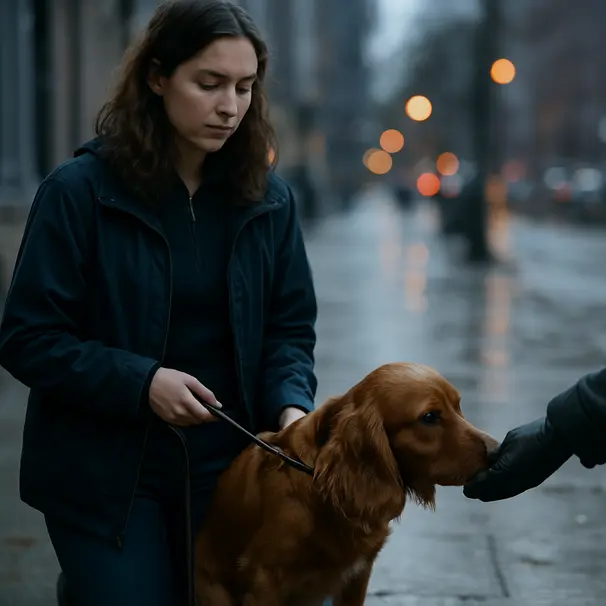
A few final notes for carers and pet owners
Be patient and kind with your dog. Sniffing is natural, and you’re asking them to change a default behaviour. Celebrate small wins, and don’t expect perfection overnight.
If you’re a pet carer using Floofy or a pet owner booking help, be clear about greeting preferences in your profile or instructions. That transparency helps carers follow your routine and keeps dogs relaxed. Encourage carers to use the same cues and rewards you use at home.
If you’re unsure about the cause of excessive sniffing, consider a vet visit or consulting a behaviour specialist. They may suggest simple adjustments or a personalised plan that can help faster.
Training polite greetings is about communication. You’re teaching your dog a new way to say hello, one that makes people feel comfortable and keeps your dog calm. With short, positive training sessions, consistent rules, and a little patience, most dogs learn to greet politely and still enjoy sniffing time in the right place.
Thanks for caring enough to learn. Little changes make a big difference for dogs and people, and that’s something to feel proud of. If you need help finding a trusted pet carer to practice with or walk through introductions, check local options on Floofy and share your dog’s greeting preferences clearly.
- Happy training,
- The Floofy team