

Why your dog smells you, and why it matters
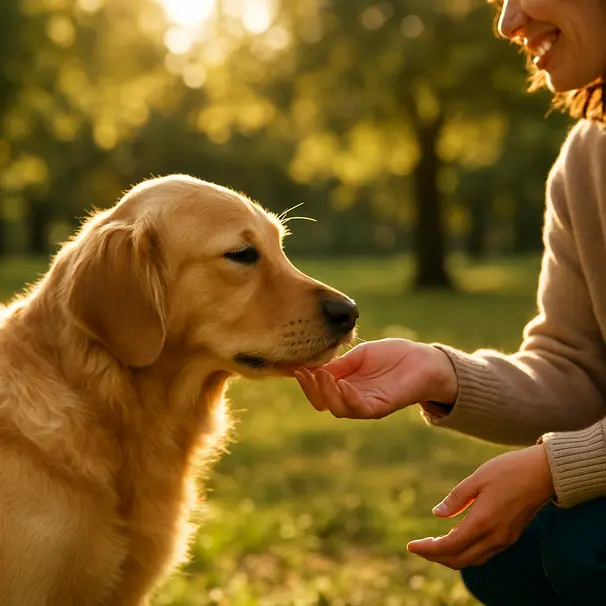
If you love dogs, you know the feeling. A wet nose presses against your hand, a quick nuzzle, and a full-on investigation of your shoes. Sniffing is normal dog language, and it’s packed with meaning. It’s their way of reading the world, checking in with friends, and sometimes asking questions we didn’t even know they could ask.
This article walks through the science and the everyday behavior of sniffing, explains different sniffing styles, and gives warm, practical tips for pet owners and carers. You’ll learn how to greet a dog respectfully, how to redirect overly intense sniffing, and when sniffing might hint at something worth checking with a professional.
How a dog’s nose is built for sniffing
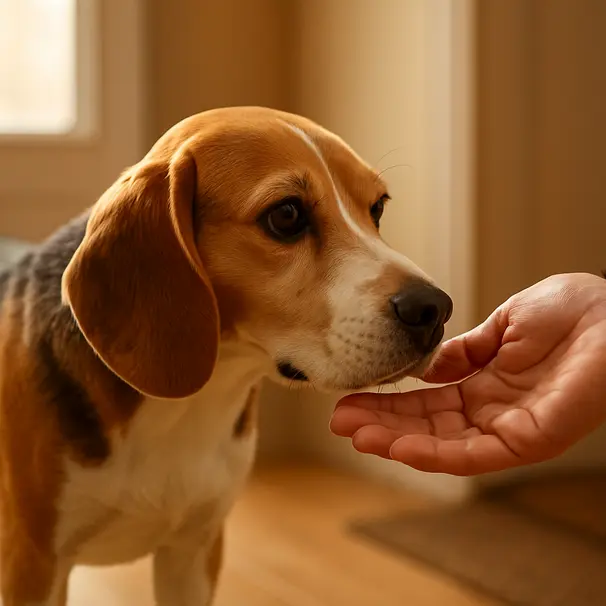
Dogs have a nose that puts ours to shame. They have many more scent receptors, and their brains process smells in a very detailed way. The scent molecules that humans barely notice become maps and messages for dogs. They can detect changes in other dogs, people, and in the environment.
Smelling is partly about concentration. Dogs breathe differently when they sniff, pulling air in and over special structures that capture scent particles. Their nostrils can even move independently, helping them find the direction of a scent. That’s why sniffing looks so focused and deliberate.
But it’s not just hardware. Scent memories are stored deeply. A dog can remember an interesting smell from days or weeks ago and use it to make sense of a situation now.
What information can a dog get from sniffing?
- Identity: Dogs can learn who you are by scent. They notice your natural body smell, perfumes, and the traces you leave from other places.
- Recent activity: Where you’ve been, what you ate, and even who you hugged can be read in scent.
- Health and hormones: Dogs may pick up subtle chemical changes that correlate with stress, excitement, illness, or reproductive state. This doesn’t mean they diagnose, but scent changes can signal something different.
- Mood cues: Changes in your scent or body posture, combined with other signals, help dogs judge whether you’re calm, anxious, or excited.
The common types of sniffing and what they mean
Dogs sniff in different ways, and each style can mean something a little different. Here are common patterns to look out for.
Quick, friendly sniffs
This is the “hello” sniff. A dog gives a short nose-to-hand or nose-to-body sniff to check who you are. It’s polite canine curiosity. Letting a dog do this can build trust, as long as the dog looks relaxed.
Deep, concentrated sniffing
When a dog buries its nose into your clothing or hair, it’s doing a more thorough scan. They might be picking up a strong scent from somewhere you visited, or they could be following up on something interesting. This kind of sniffing can last longer and be more focused.
Nose nudging and licking
Some dogs combine sniffing with gentle nudges or licks. That can be a social gesture, an invitation to interact, or a request for attention. Context matters: a soft nudge while relaxed usually means affection. A persistent, intense nudge could be demand behavior, asking for food or play.
Sniff-and-pull behavior around clothing or pockets
Dogs love pockets that smell like food or other animals. If your dog goes for your pocket or handbag, they’re following a tempting scent trail. It’s normal, but it’s also a cue to manage access to tempting items when you need them to be calm.
Social sniffing: greetings and dog etiquette
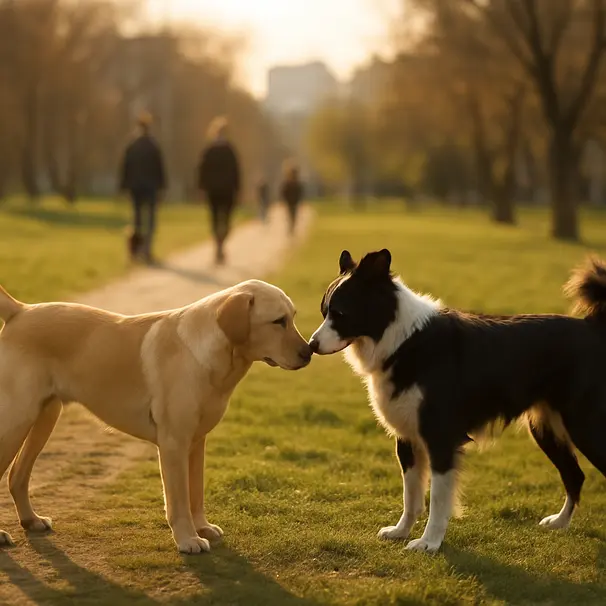
Sniffing is central to how dogs greet each other. Face-to-face nose inspections, rear-end sniffs, and circling are all part of canine small talk. For dogs, it’s more polite to sniff first and move on than to dive straight into play.
When humans meet a new dog, the safest approach is to offer a hand, palm down, at the dog’s shoulder level or wait for the dog to approach. Let the dog come to you. If you’re handling someone else’s dog as a carer, ask the owner how their dog prefers introductions. Many dogs prefer brief sniffs at the shoulder or the side, rather than having a stranger loom over their head.
Reading the body language during sniffing
Look for relaxation: loose body, soft eyes, relaxed tail, and gentle breathing. If the dog looks stiff, freezes, or shows whale-eye (the whites of the eyes), that’s a sign to pause. Growling, raised hackles, or snapping are clear signs to step back and give space.
When sniffing might mean something more
Sniffing is usually harmless, but sometimes it can point to a deeper issue. If sniffing becomes obsessive, very repetitive, or is accompanied by other unusual behaviors, consider whether the dog could be bored, anxious, or reacting to a medical issue.
- Boredom: Dogs confined without mental stimulation may obsessively sniff the same spots. Adding walks with scent work can help.
- Anxiety: Dogs under stress may sniff more as a displacement behavior. Look for other signs of anxiety and try calming routines.
- Health changes: Sudden shifts in sniffing patterns may relate to sensory changes or discomfort. It’s wise to mention these shifts to a vet, as a precaution.
Use gentle language like “consider” and “may” when thinking about health. If you’re unsure, consult a veterinarian or a certified behaviorist.
Practical tips for owners and carers
Here are real, doable steps you can try the next time a dog wants to sniff you or someone else.
- Let a dog approach on their terms. Stand relaxed, avoid looming, and keep your hands low.
- Offer your hand gently for a quick sniff, fingers curled slightly. Don’t push your face forward.
- Teach a polite greeting: reward brief, calm sniffs with a treat or praise. This helps the dog learn that calm behavior is good.
- Redirect over-enthusiastic sniffing with scent games. Hide treats in folded towels or use snuffle mats to focus their nose on fun tasks.
- Manage access to tempting scents. Keep food, tissues, and smelly items out of reach during social introductions.
- If you’re a pet carer meeting a new dog, ask the owner about their dog’s cues and preferences. Every dog has unique comfort levels and routines.
Teaching polite sniffing and boundaries
Training can shape how a dog greets people and what’s acceptable sniffing behavior. These short exercises can help.
- Name-and-sit greeting: Teach the dog to sit before meeting new people. Ask for a sit, then allow a brief sniff as a reward. This builds structure into greetings.
- Sniff-target games: Use scent-based enrichment to satisfy sniffing urges. Hide small treats around a safe room, or use a snuffle mat during quiet times.
- Replace attention-seeking nudging: If a dog nudges you persistently, teach a gentle alternative like placing a paw on a mat to get attention. Reward the alternative behavior.
Consistency is key. Keep training sessions short and positive, and reward the behaviors you want to see more often.
Tips for pet carers meeting clients’ dogs
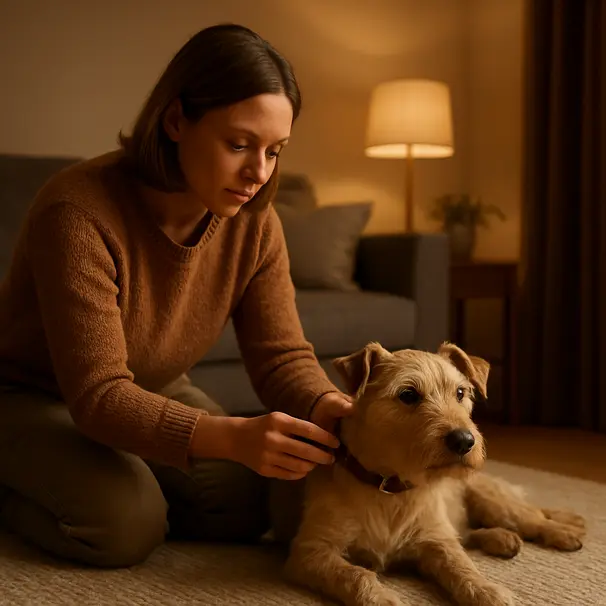
As a carer, you’ll meet many dogs with different sniffing habits. Respect their routines and ask owners for specifics. A few questions to cover before you meet a dog:
- How does your dog like to be greeted?
- Are there scents or items that make them excited or anxious?
- Do they have any medical conditions or recent changes in behavior?
When you arrive, give the dog space and time. Offer your hand at the side, let them sniff your shoelaces or the back of your hand, and move slowly. If a dog is shy or nervous, sit down and let them come on their own schedule.
If a dog’s sniffing behavior seems intense or becomes a safety concern, politely pause and ask the owner for guidance. Every dog deserves a calm, predictable introduction.
Enrichment ideas that celebrate sniffing
Sniffing isn’t a problem to stop, it’s a behavior to channel. Try these activities to make your dog happier and more balanced:
- Scent walks: Allow your dog longer sniffing breaks during walks. Let them explore a spot for a minute or two before moving on.
- Snuffle mats and puzzle feeders: These are perfect for slow feeding and engaging the nose.
- Hide-and-find: Hide treats in cloths, boxes, or around the house for short scent-search sessions.
- New smell exposures: Safely introduce new, interesting scents like a cloth with a bit of rosemary or lavender, or an item that smells like another friendly dog. Watch the dog’s reaction and stop if they seem stressed.
These activities can help reduce obsessive sniffing by giving the nose plenty to do.
When to seek professional help
Sniffing itself is rarely a medical emergency, but if sniffing is linked with other worrying signs, consider professional advice. Examples include dramatic behavior changes, persistent repetitive sniffing that interferes with normal life, or when sniffing coincides with signs of pain or illness.
A veterinarian can rule out medical causes. A certified dog behaviorist can help with training strategies for obsessive behaviors or anxiety-related sniffing. These professionals can offer tailored plans, and may recommend small environmental changes that can make a big difference.
Final thoughts: celebrate the nose
Dogs read their world through scent, and sniffing is a rich, meaningful behavior. It’s how they say hello, learn about the places we visit, and connect with people and other animals. As owners and carers, we can honor that by offering safe, respectful introductions, plenty of scent enrichment, and gentle boundaries when needed.
Next time a dog sniffs your hand, take a moment. It’s their way of meeting you properly. Respond with calm, curiosity, and kindness, and you’ll be talking in dog language in no time.
If you notice sudden changes in sniffing or behavior, consider discussing them with a veterinarian or a behavior professional. Small observations often lead to better care and happier dogs.
Thanks for reading. If you found these tips useful, share them with a friend or a fellow carer who loves helping dogs feel safe and understood.