

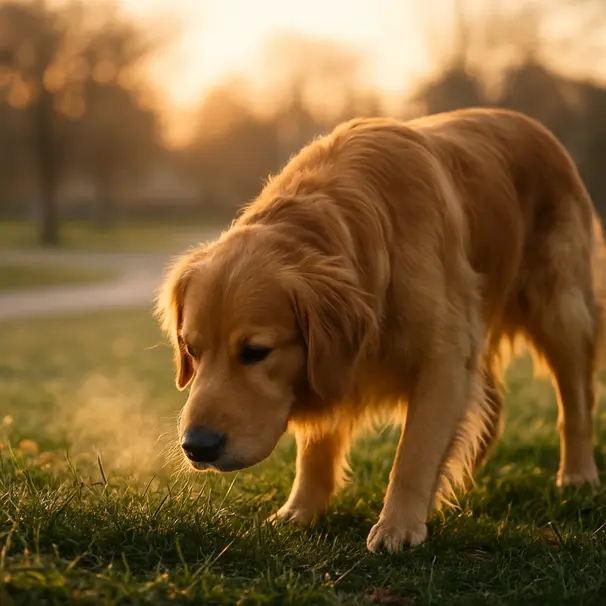
Why your dog might take a long time to poop
If your dog spends an eternity sniffing, circling, or pretending the world is a fascinating smell museum, you’re not alone. Some dogs take their sweet time outside and it can be puzzling, frustrating, or even worrying. Let’s walk through the most common reasons dogs dawdle, how to tell normal from concerning, and practical things you and a pet carer can try to help.
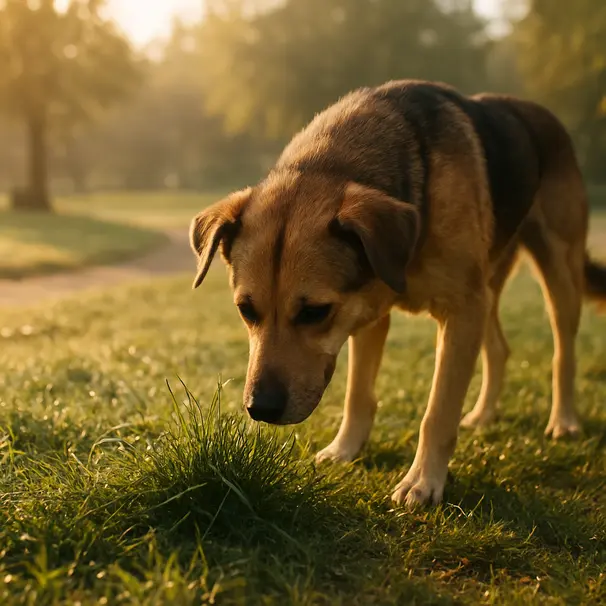
Dogs are built to sniff
One big reason is simple: dogs use their noses to explore. A single patch of grass can hold a novel chemical diary from dozens of animals. For many dogs, the bathroom stop is really a social media check-in. Sniffing slows everything down, but it’s normal and mentally enriching.
Routine, timing, and habit
Dogs like predictability. If their usual schedule changes, or if a walk is shorter than usual, they may over-invest in scent checks when they get the chance. Puppies and dogs adjusting to a new home or carer may also take longer as they’re learning where and how it’s okay to go.
Diet, fiber, and digestion speed
What a dog eats has a big effect on stool consistency and transit time. Low-fiber diets can produce harder stools that are slower to pass. Rapid diet changes may temporarily alter poop frequency. Consider that different breeds and sizes digest differently; what’s normal for a greyhound might not match a terrier.
Hydration and activity level
If your dog isn’t drinking enough, stools may become drier and firmer, and take longer to pass. On the flip side, a very sedate dog might move less food through the gut.
Stress, anxiety, and environmental distractions
New places, loud noises, strange people, or even the presence of other dogs can make pups hold on or stall. Some dogs become tense when outside of their comfort zone and take longer to relax enough to go.
Marking and social behaviour
Unneutered dogs, especially males, may spend a long time sniffing and marking. Females in heat or dogs in multi-dog households may engage in extra scent investigation and delay the business.
Age-related issues
Puppies are still learning where and when to go, so they can be slow or absent. Senior dogs may have slower gut motility, concurrent medical issues, or arthritis that makes squatting harder.
Possible medical causes to consider
Some medical issues may cause prolonged bathroom trips. Constipation, anal gland problems, partial blockages, or pain in the pelvis or spine can make defecation difficult. Also, urinary problems or gastrointestinal upset might change how quickly a dog passes stool.
It’s best to look for additional red flags before jumping to medical conclusions. Signs like obvious straining, blood in stool, vomiting, lethargy, or no stool for 48 hours may mean it’s time to contact a vet.
Practical tips to help your dog go more quickly
Here are friendly, practical ideas you can try at home or share with a pet carer. They’re meant to be safe and accessible, and to help you make small changes that add up.
Create a consistent schedule
Dogs often do best with regular mealtimes and walk times. Try feeding at predictable times, and offering walks or outdoor breaks about 15 to 30 minutes after a meal for many dogs. Consistency trains the body and mind.
Give a reliable bathroom spot
Pick a regular patch of grass or yard and use it often. Familiar scents can speed decision-making. For multi-carer households, tell everyone the preferred spot so the dog sees the same place and learns it’s a bathroom zone.
Allow sniff time, then apply gentle structure
Let your dog sniff for a short while, then encourage focus with a cue like “go potty” or “do your business.” If it’s safe, try walking in a small loop back to the same spot. You can also carry a favorite treat to reward quick completion, turning it into a positive routine.
Encourage movement and stimulation
A brisk warm-up walk or light jog before the bathroom break can stimulate intestinal movement. For sedentary or older dogs, short gentle play or a few stretches can help get things moving.
Review diet and hydration habits
Consider whether your dog is getting enough fiber and water. Adding a small amount of canned pumpkin or a vet-recommended fiber supplement can soften stools for some dogs, and is typically safe. Always introduce dietary changes slowly and consider a vet consult before making major changes.
Use cues and reward systems
Teaching a clear potty cue and rewarding promptly can reduce dawdling over time. Keep treats small, high-value, and predictable. A consistent cue helps both dogs and different carers know what to expect.
Manage stress and distractions
If your dog stalls in busy areas, try quieter times or a less crowded spot. For anxious dogs, bring a familiar blanket or toy, or have a calming routine for carers to follow. Avoid rushing them; tension often makes things worse.
Consider simple enrichment indoors
If outdoor opportunities are limited, scent games inside can help stimulate digestion. Short sniffing walks around the house or a food-scattering game can be useful. These activities also help carers keep the dog engaged when outdoor time is brief.
When slow pooping might need veterinary attention
Most sniff-heavy, slow bathroom trips are normal. But consider contacting a vet if you notice one or more of the following:
- Repeated straining or obvious pain while trying to pass stool
- Blood or very dark stool
- Significant changes in appetite, energy level, or behavior
- No stool for more than 48 hours, especially with vomiting
- Signs of urinary distress or inability to urinate
A vet can help rule out constipation, blockages, anal gland issues, or other medical causes. They may recommend tests, a change in diet, medications, or simple home remedies. Use calm wording like “consider a vet visit” and seek professional advice rather than self-diagnosing.
Tips for pet carers and sitters
If you’re a pet carer, dog walker, or housesitter, your actions can make a big difference. Here’s a quick checklist to share with owners and follow in practice:
- Ask the owner for the dog’s usual bathroom schedule and preferred spot.
- Use the same potty cue and reward system the owner uses.
- Allow a few minutes of sniffing, then gently encourage focus.
- Keep the dog on a short leash until they choose a spot, to prevent wandering and to speed up decisions.
- Log potty times and any concerning signs, like straining or unusual stool.
- Communicate promptly with the owner if you notice anything worrying or if the dog doesn’t go for two outings in a row.
- For multi-dog walks, know which dogs might mark or distract others and plan accordingly.
- Carry waste bags and gloves, and clean up promptly and hygienically.
Carers should also feel empowered to ask for a vet contact from the owner in case of emergencies. A clear plan helps everyone stay calm and act fast if something’s wrong.
Special situations: puppies and seniors
Puppies: They often need more frequent potty breaks and lots of guidance. Keep outings short but frequent, reward small successes, and be patient. Potty training takes time, and sniffing is part of their learning.
Seniors: Older dogs may slow down due to arthritis, dental pain, or slower gut motility. Short, gentle walks, softer bedding, and vet-guided diet changes may help. Consider joint-supportive measures and check-ins with the vet to keep them comfortable.
Quick troubleshooting checklist for a slow-pooping dog
- When was the last normal stool? If more than 48 hours, consider a vet consult.
- Has the diet recently changed, or has the dog eaten something unusual?
- Is the dog drinking normally?
- Any sign of pain, blood, vomiting, or lethargy?
- Are there environmental stressors or schedule changes?
- Is the dog on any medication that can affect digestion?
Answering these questions can guide whether to try home strategies or seek medical advice.
Gentle do’s and don’ts
Do:
- Keep routines consistent
- Offer water and moderate exercise
- Reward quick bathroom behavior
- Communicate clearly with carers and vets
Don’t:
- Force or punish a dog over bathroom delays
- Make abrupt, large diet changes without consulting a vet
- Ignore severe signs like straining, blood, or prolonged absence of stool
Final thoughts
Slow bathroom breaks can be perfectly normal, especially for curious, scent-motivated dogs. Small adjustments to schedule, environment, and routine often help. When in doubt, a friendly call to your vet or a chat with the dog’s regular carer can provide reassurance and next steps. With patience, simple structure, and a little detective work, most owners and carers can shorten those dawdling sessions and help pets feel more comfortable.
Thanks for looking out for your pup. Remember, every dog is an individual, and a little kindness and consistency go a long way.