

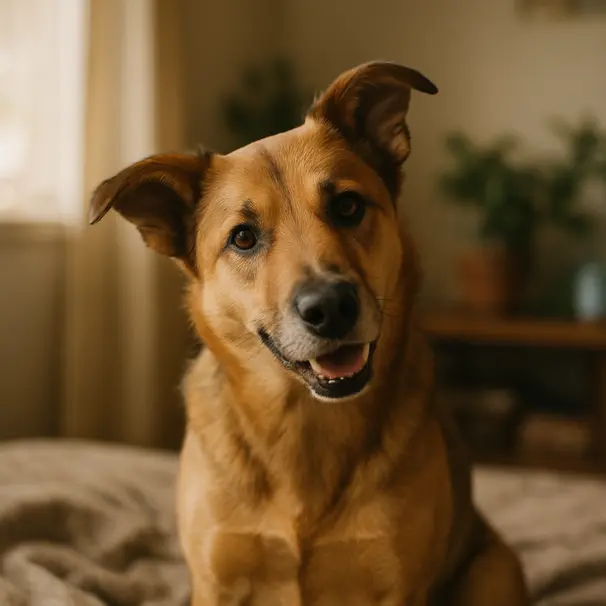
Why that charming head tilt makes you melt
There’s something about a dog tilting its head that stops you mid-step and pulls out your phone. It’s small, it’s expressive, and it feels like your dog is trying to understand you. But beyond the adorable factor, head tilting can tell us a lot about how dogs sense the world and connect with people.
In this article you’ll find clear, practical explanations of the most likely reasons dogs tilt their heads, simple ways to encourage and capture the behavior, and a friendly checklist for pet carers who want to spot when a tilt is normal and when it might mean a vet visit could help.
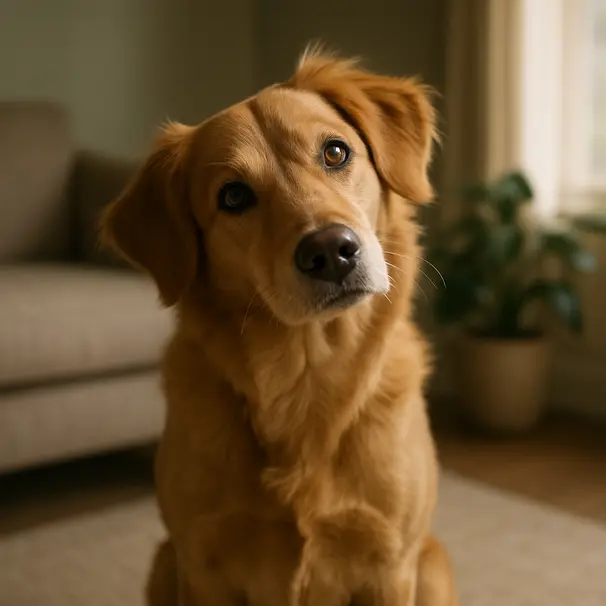
What the head tilt tells us
Dogs don’t tilt their heads for one single reason. Several natural, everyday motivations can make that little gesture appear — and often more than one reason is at work at the same time.
Hearing and sound localization
One of the main reasons dogs tilt their heads is to better pinpoint a sound. Dogs have mobile outer ears and incredibly sensitive hearing, but certain sounds still need slight adjustments in head position to line up timing and intensity between both ears. Tilting changes the angle of the ear openings and the way sound waves hit them. That small repositioning can help a dog locate a squeaky toy across the room or hear which direction you’re calling from.
Vision and muzzle obstruction
A dog’s snout can block part of its forward view. Tilting the head improves the line of sight, especially for breeds with long muzzles. It also helps dogs see your face more clearly. If your dog is trying to read your expression or watch your mouth for cues, that angle can make features like your eyes and lips easier to see.
Curiosity and cognitive processing
Sometimes a head tilt shows concentration or curiosity. Dogs hear or see something novel, then pause and tilt as they process the stimulus. It’s like a person cocking their head when puzzling over a new sound. The tilt may help integrate hearing and vision while the dog figures out what’s worth investigating.
Social communication and empathy
Dogs are experts at reading human faces. A tilt can be an attempt to better understand us, and many owners interpret it as empathy. Over time dogs who get a warm response for tilting — smiles, praise, or treats — may learn that the gesture gets attention, and repeat it more often. That makes the interaction rewarding for both pet and person.
When the tilt is just charming, and when it’s a signal to monitor
Most head tilts are harmless and part of normal dog behavior. Still, a few medical conditions can produce persistent or unusual tilting. It’s good to know the differences.
Signs the tilt is likely harmless
- It happens occasionally, usually in response to sounds or when you speak.
- The dog remains bright, eating and playing normally.
- The tilt disappears when the stimulus is gone.
Signs to consider a vet visit
- The tilt is new and persistent for more than a day or two.
- Other symptoms appear, such as unsteady walking, circling, loss of balance, nausea, head shaking, ear discharge, or a sudden change in appetite.
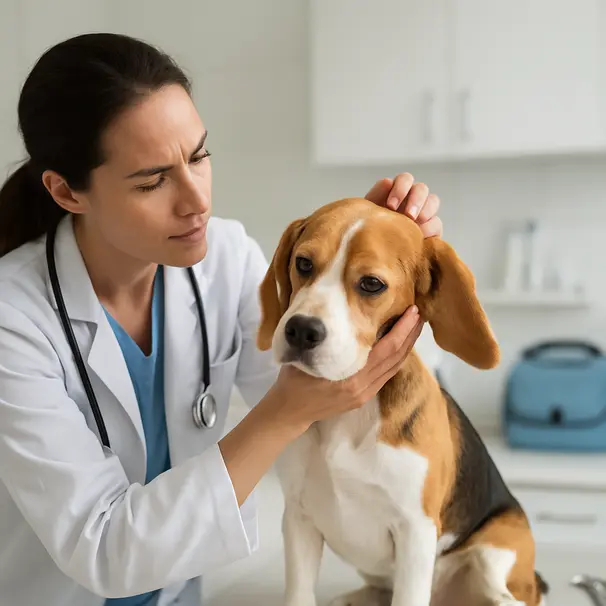
- The dog favors one side of the head, or shows pain when you touch the ears.
These signs can be associated with ear infections, foreign bodies in the ear canal, or vestibular issues that affect balance. If you notice worrying symptoms, consider contacting your vet for advice. Saying you’re unsure and asking whether an exam could help is perfectly reasonable.
How learning and reinforcement shape the behavior
Dogs are quick learners. If you laugh, coo, or reach for a treat when your dog tilts its head, that action becomes positively reinforced. Over time the dog may tilt as a communicative tool, expecting the same reaction.
That doesn’t make the behavior manipulative in a mean sense; it’s simple association. For carers and owners who want the tilt without overfeeding treats, try pairing the tilt with attention instead of food. A soft compliment or a brief play session can be enough to reward the pose while keeping calories in check.
Tips for encouraging the tilt (gently and safely)
If you love the look and want to encourage a natural head tilt without overdoing it, try these friendly ideas:
- Use curiosity cues: soft, unusual sounds like a small bell, a wrapper crinkle, or a low whistle.
- Call their name in a slightly different tone or mouth a silent word so they watch your face.
- Move slightly to one side while talking; that change of angle can prompt a tilt.
- Pair the moment with affection, short praise, or a quick game rather than always offering treats.
Keep sessions short and pleasant. If the dog seems stressed or uncomfortable, stop and try another time. Encouraging curiosity is different from forcing attention.
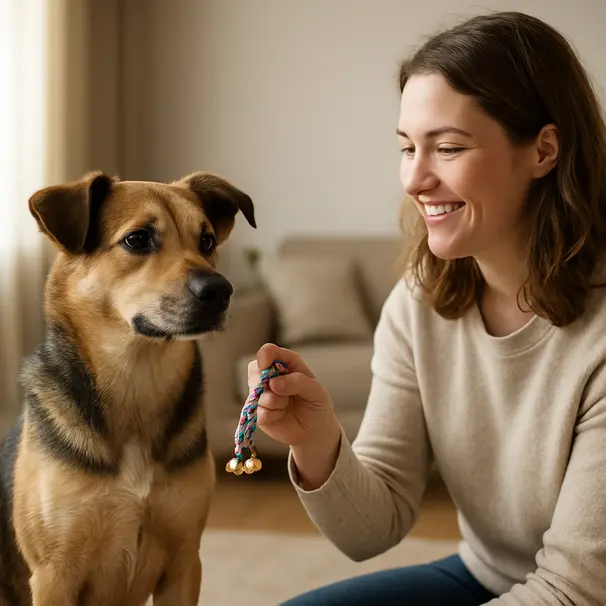
Capturing the tilt for carers and owners
Pet carers often want great photos for the owner or for a Floofy profile update. The head tilt is photogenic, but it can be fleeting. Here are some practical tips to catch the moment:
- Prepare your camera or phone in advance and use burst mode.
- Use a calm, high-value sound source that doesn’t scare the dog — a favorite toy or a soft jingling object works well.
- Keep the environment familiar so the dog is relaxed.
- Get down to the dog’s level for more engaging photos.
- Reward with affection immediately after the photo, so the dog links the moment with positive attention.
For carers working with nervous pets, focus on building trust. A gentle tone, a few quiet minutes of settling, and allowing the dog to approach you often lead to natural, unforced head tilts.
Quick checklist for carers: spot, record, and respond
- Spot: Is the tilt occasional and linked to sounds or attention?
- Record: Note how often it happens and whether other symptoms occur.
- Respond: If it’s an occasional, happy communication, enjoy and document it. If it’s new and persistent with other signs, advise the owner to call their vet.
This simple approach helps communicate clearly with pet owners and keeps animal welfare at the center of care.
A few breed-specific notes
Some breeds show head tilting more often because of facial shape, ear set, or personality. Brachycephalic dogs, for instance, may tilt to see around a shorter snout, while floppy-eared breeds might tilt to adjust how sounds reach the ear canal. These are gentle tendencies, not rules. Observe the individual dog and treat each case with curiosity.
Final thoughts: enjoy the moment, and keep the dog’s health first
The head tilt is one of those moments that makes being around dogs joyful. It’s a small window into how they’re sensing the world and trying to connect with us. Most of the time it’s harmless, charming, and easy to encourage with gentle, reward-based interactions.
At the same time, staying mindful of other symptoms and recommending a vet check when something looks off keeps pets safe. For pet carers on Floofy, noticing small changes and communicating them to owners is a professional, compassionate step that builds trust.
So next time your floofy friend tilts their head, smile, enjoy it, and maybe get a photo. You’re witnessing a blend of biology, curiosity, and a little bit of learned charm — and it’s one of the sweetest parts of living with dogs.