


Why does my cat always seem hungry?
Seeing your cat stare at an empty bowl or nudging you for one more treat can feel like a tiny personal failure, even though it’s usually not. Cats are creatures of habit and appetite, and a persistent feeling of hunger can come from lots of places. Some are simple lifestyle issues you can fix at home. Others may hint at medical problems that deserve a vet’s attention. This article walks through likely reasons, practical fixes, and clear signs to prompt a vet visit.
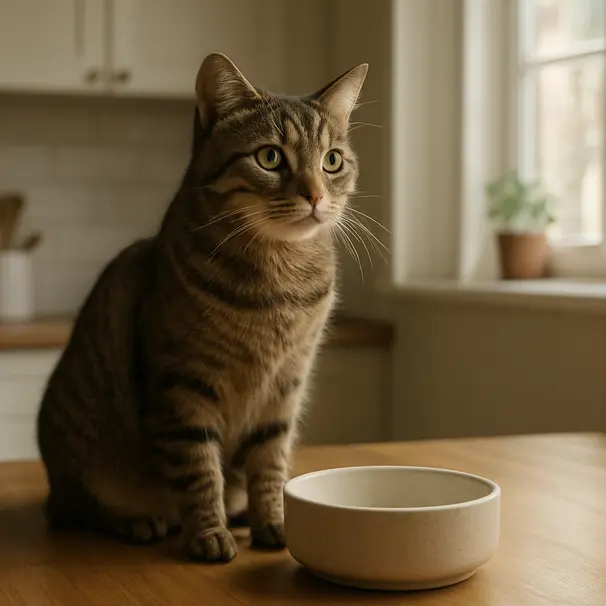
Common, non-medical reasons
Life stage and activity level
Kittens and young adult cats frequently look hungry. They’re growing fast and burn lots of calories during bursts of play, so they need more frequent meals. Likewise, if your indoor cat suddenly becomes more active, they may want more food. Consider the cat’s age and recent changes in activity before adjusting portions.
Diet composition and calories
Not all food is created equal. A low-calorie kibble or a diet with lots of fillers can leave a cat feeling unsatisfied. High-protein, moderate-fat diets tend to keep cats fuller longer. Wet food often helps because it contains more moisture and can feel more filling, which may reduce constant begging.
Feeding schedule and portion control
Free-feeding dry food can make it hard to tell how much a cat actually eats. Measured meals given two to three times a day tend to regulate appetite more predictably. If you’re topping up the bowl all day, your cat may learn to graze and ask for more frequently, which looks like constant hunger.
Behavior and attention-seeking
Cats are smart and quick to learn which behaviors earn rewards. If begging gets a treat or extra dinner, the behavior will increase. Sometimes what looks like hunger is simple learned behavior: a well-timed meow or nudge that got a positive response before.
Medical causes to consider
Some health problems can make a cat feel ravenous. While this list isn’t exhaustive, and we avoid definitive claims, it’s useful to know what vets commonly evaluate.
Hyperthyroidism
An overactive thyroid can increase metabolism, leading to weight loss with a higher appetite. Consider this possibility, especially in older cats.
Diabetes mellitus
Increased appetite along with increased drinking, weight loss, and more trips to the litter box can suggest diabetes. Blood tests can help identify this condition.
Intestinal parasites
Worms and other parasites can rob a cat of nutrients, making them feel hungrier despite eating. Regular deworming and stool checks may help.
Malabsorption or pancreatic issues
Problems with digestion can mean food isn’t properly absorbed, which may show up as persistent hunger paired with weight loss or changes in stool.
Medication side effects
Some medicines can boost appetite. If your cat started a new drug and seems hungrier, it’s worth checking with the prescribing vet.
If you suspect any medical cause, consider scheduling a vet visit. A basic exam, weight check, and blood tests can narrow down possibilities. Keep reading for practical steps you can take at home while you wait for that appointment.

Practical steps to try at home
These are friendly, low-risk adjustments you can try to help your cat feel satisfied without overfeeding.
- Measure portions, don’t guess. Use a kitchen scale or measuring cup. The feeding guidelines on bags are a start, but adjust based on your cat’s body condition. Track weight weekly for a few weeks.
- Switch to higher-protein food. Cats are obligate carnivores and usually do better on protein-rich diets. You may consider increasing wet food in the mix, which often feels more filling.
- Add controlled snacks only. Treats should make up no more than 5-10% of daily calories. Replace some treats with play or attention to avoid extra calories.
- Try multiple small meals. Offering three to four smaller meals can help many cats feel satisfied without overeating.
- Use timed feeders for dry food. These can prevent grazing and help create a routine.
- Introduce slow feeders or puzzle feeders. These make the cat work for food and can slow eating, which may reduce the urge to constantly snack.
Sample daily feeding plan
- Morning: measured wet food portion.
- Midday: small measured dry portion or treat puzzle.
- Evening: measured wet food portion with a short play session after.
- Optional late-night micro-meal for kittens or highly active cats.
This plan can help stabilize appetite cues and give structure to mealtime.
Enrichment to reduce food-seeking behavior
Often hunger is mixed up with boredom. Cats that have nothing to do may ask for food simply because it’s an activity that gets a response.
- Daily play sessions, especially before meals, can burn energy and make mealtime feel like the reward that finishes the activity.
- Rotate toys and hide small food portions around the house for foraging practice. This mimics hunting and provides mental stimulation.
- Vertical space like shelves or cat trees gives cats a sense of territory and can distract them from begging.
- Consider window perches, bird feeders outside, or safe outdoor time on a harness to add natural entertainment.
Enrichment can reduce attention-seeking and may lower the frequency of food-related requests.
Multi-cat household tips
When several cats share a home, food anxiety and competition can make one or more cats eat quickly or constantly beg.
- Feed in separate rooms or use microchip-activated feeders so each cat only accesses its own food.
- Ensure shy cats have quiet, safe feeding spots.
- Monitor body condition of each cat separately; what’s enough for one might be too much or too little for another.
When to see a vet
Consider a vet visit if you notice any of the following along with increased appetite:
- Unexplained weight loss.
- Increased thirst or urination.
- Vomiting, diarrhea, or changes in litter box habits.
- Lethargy or behavior changes.
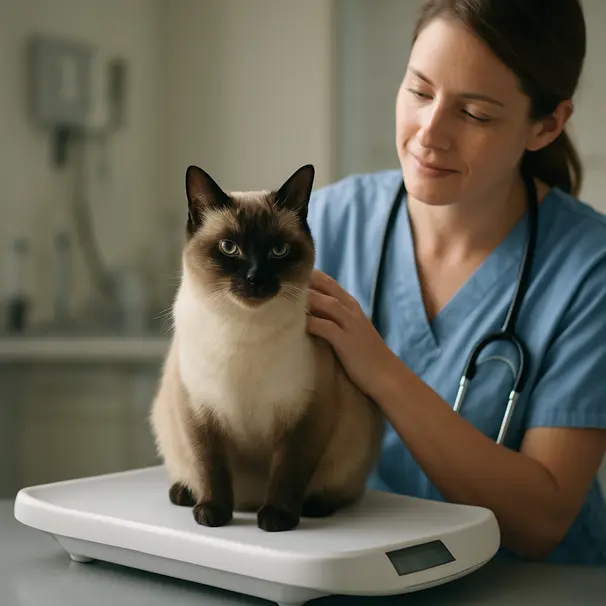
A vet will likely perform a full exam, recommend bloodwork, and possibly run thyroid or urine tests. These steps can narrow down causes like thyroid issues, diabetes, or parasites. Remember to mention any recent medication changes, new foods, or stressors at home.
Tracking and troubleshooting checklist
- Weigh your cat and record it weekly. Note any steady weight loss.
- Measure daily food intake for a week to understand baseline calories.
- Observe behavior: when does begging happen, and what triggers it?
- Try a two-week dietary adjustment, such as adding wet food or switching to a higher-protein formula.
- Add two 10-minute play sessions daily to burn energy and provide enrichment.
- If no improvement or if red flags appear, schedule a vet appointment with your notes.
Working with pet carers and sitters
If you use carers from Floofy or another platform, share your feeding plan and measurements. Ask carers to follow the same schedule, use the same portioning method, and avoid extra treats unless approved. Consistency across caregivers can make a big difference.
If your cat is frequently hungry and stressful at mealtime, consider asking a carer to help with enrichment sessions or short play breaks. Many carers enjoy interactive play and can help establish a calmer routine.
Final thoughts
A cat that seems always hungry can be a simple fix or a clue that something more serious is happening. Start with portion control, a more satisfying diet, and extra play. Keep a close eye on weight and any other symptoms. If anything feels off, book a vet visit and bring your notes. Small changes often make a big difference, and with the right routine, you and your cat can feel more relaxed at meal times.
If you need help implementing feeding plans or enrichment while you’re away, consider booking a trusted carer through Floofy to keep routines consistent. A calm, fed, and entertained cat is a happier companion for everyone.