

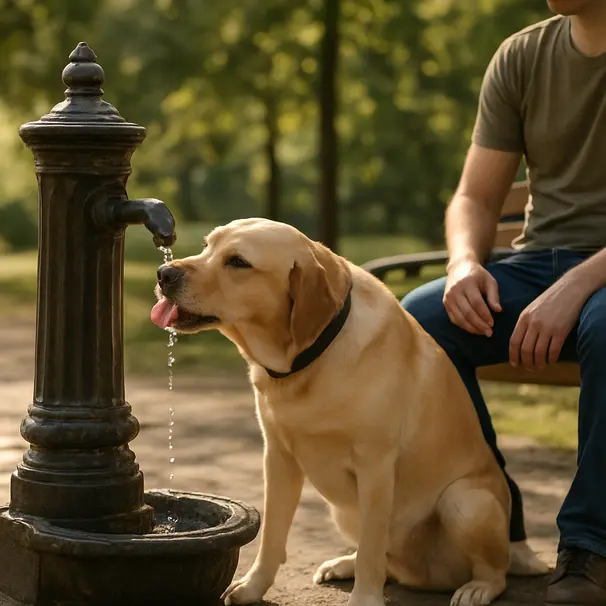
Why this matters and how to stay calm
If you’ve noticed your dog slurping from the bowl more often, take a breath. Dogs change their habits for lots of reasons, some harmless and some that may need a vet’s attention. The goal here is practical: help you spot patterns, run a few gentle checks at home, and know when to contact a veterinarian. Keep a calm, curious mindset. That will make it easier to gather the right information and act without panic.
How much water is normal?
There isn’t a one-size-fits-all number, but a rough guideline many caretakers use may help. A common rule of thumb is around 1 ounce of water per pound of body weight per day for an average adult dog. This is a general estimate and can vary by activity level, diet, age, temperature, and individual metabolism. Puppies and nursing mothers usually need more.
Pay attention to changes rather than single days. A warm day, an energetic romp at the park, or a salty snack can temporarily increase a dog’s thirst. A steady, significant rise over several days or weeks is what should make you take note.
Common reasons a dog might drink more water
Here are frequent, practical explanations to consider. I’ll note when something may need veterinary attention.
- Heat and exercise: Warm weather and long walks can increase thirst. Offer fresh water before and after activity.
- Diet: Dry kibble, salty treats, or table scraps can make a dog drink more. Switching to wet food or rinsing salty foods may reduce thirst.
- Medications: Some meds can increase thirst as a side effect. Check the leaflet or ask your vet if you’re unsure.
- Stress and anxiety: Nervous dogs sometimes pant and drink more. Behavioural changes should be noticed and managed gently.
- Age-related changes: Older dogs can show differences in appetite and drinking. Routine senior checks may help spot underlying issues early.
Possible health concerns that may cause increased drinking. These conditions may require testing and treatment by a veterinarian. Use cautious language with your pet care team and seek professional guidance if you see persistent or dramatic changes.
- Diabetes mellitus, where high blood sugar can increase thirst and urination.
- Kidney disease, which can affect the body’s ability to concentrate urine and may lead to increased drinking.
- Cushing’s disease, an endocrine condition that can cause higher water intake.
- Urinary tract infections or bladder issues, which sometimes cause animals to drink and urinate more.
- Liver disease and certain medications may also affect thirst.
If your dog is intact and female, reproductive problems such as pyometra can be serious and may show up with changes in thirst and other symptoms. Always consider the full picture of symptoms, not thirst alone.
What to observe at home
You don’t need fancy tools. A few simple steps can give your vet useful information and help you decide whether to wait or seek immediate care.
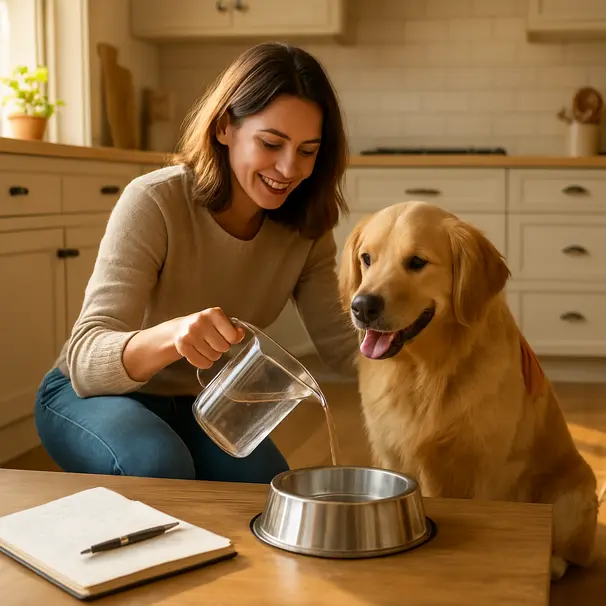
- Measure water intake: Fill the bowl with a known amount, note the time, and refill at a set time each day. Record amounts in a notebook or phone note. Tracking for 3 to 7 days can show a trend.
- Monitor urine output: Notice how often your dog needs outside time or has accidents. More frequent urination or larger puddles is important to note.
- Watch behaviour: Is your dog more tired, restless, or panting? Any change in appetite, vomiting, or weight is important.
- Check medications and diet: Make a list of current meds, supplements, and recent changes in food or treats.
- Inspect the environment: Has the weather changed? Did your routine include extra exercise or exposure to salty surfaces?
If you’re caring for another person’s dog, or you’re a pet carer, keep a simple log to pass on. Timing, quantity, and related signs are the details vets often ask for first.
When to call your vet
Not every increase in drinking needs an emergency visit. Still, there are clear red flags.
Contact your vet promptly if you notice:
- A sudden and dramatic increase in thirst over a day or two.
- Excessive urination, accidents in the house, or very large volumes of urine.
- Lethargy, weakness, vomiting, or sudden loss of appetite.
- Pale gums, rapid breathing, or collapse.
- Any signs of pain, bleeding, or sudden behavioural changes.
If you’re ever unsure, a quick call to your veterinary clinic is the best move. They may ask a few questions over the phone and recommend coming in or observing for a short time.
What your vet may suggest or test
Veterinarians often start with straightforward diagnostics and build from there, depending on the story and findings.
- Physical exam: A thorough check of hydration status, gums, heart rate, and any pain or masses.
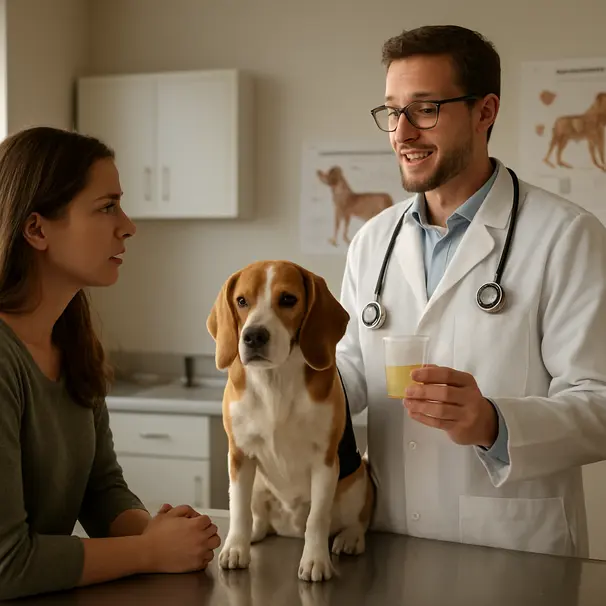
- Urinalysis: This can reveal sugar, infection, concentration, or blood in the urine.
- Bloodwork: Basic panels can screen kidney and liver function, blood sugar, electrolytes, and other clues.
- Imaging: X-rays or ultrasound may be used if an internal issue is suspected.
- Additional endocrine testing: If preliminary results suggest hormone imbalances, further tests may be recommended.
Remember to bring your record of water intake, any meds, and notes about behaviour. Those details can speed up the diagnostic process and avoid repeated visits.
Practical steps to help your dog right now
While you’re monitoring or arranging a vet visit, these small adjustments can keep your dog comfortable.
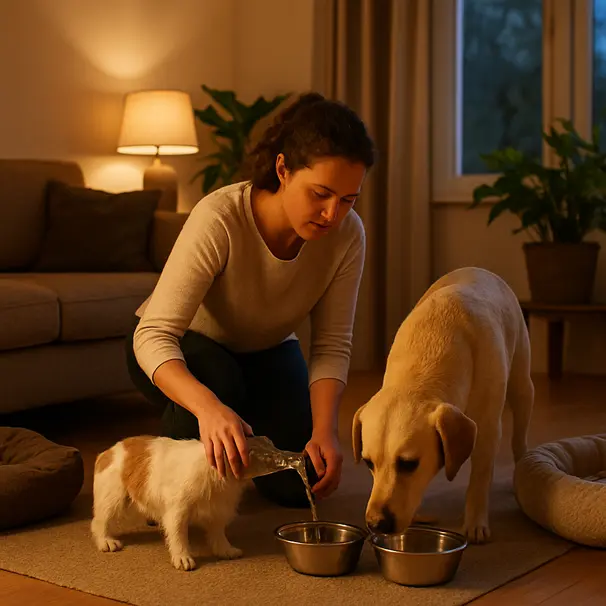
- Keep water fresh and accessible: Clean bowls, multiple water stations in different rooms, and shallow bowls for senior dogs can help.
- Offer wet food or moisten dry food: This can increase water intake through food and may be soothing for the stomach.
- Avoid salty snacks and human food: Salt makes dogs thirstier and can complicate underlying issues.
- Use safe cooling methods: Shade, fans, and cool tiles help in warm weather. Never leave a dog in a car.
- Measure, don’t guess: Continue the intake log. A few days of data is powerful information.
- Don’t give electrolytes or medications without vet approval: Some human products can be harmful to dogs.
For dogs who drink excessively and seem uncomfortable, small frequent sips may be better than encouraging large gulps. If your dog is nauseous or vomiting after drinking, stop fresh water for a short time and call your vet.
Tips for pet carers and sitters
If you’re caring for someone else’s dog, your observations are extremely helpful. Here’s how to be a great communicator and caretaker.
- Start a simple handover sheet: Note water intake, bathroom habits, appetite, energy levels, and any unusual signs.
- Keep to the owner’s feeding and medication schedule: Sudden changes in diet or skipped meds can affect thirst.
- Keep the environment calm: Stress can change drinking patterns, so quiet time, walks, and reassurance help.
- Know who to call: Ask the owner for their preferred vet contact, emergency contacts, and any health history.
- Escalate quickly if needed: If the dog shows rapid changes, call the owner and the vet. Better safe than sorry.
Preventive habits that can help over time
Good routine care reduces surprises and helps catch issues earlier.
- Regular vet checkups: Annual or semi-annual visits can show trends in weight, bloodwork, and behaviour.
- Monitor weight and body condition: Weight loss or gain is often linked to health changes.
- Maintain dental health: Dental pain or infection can change eating and drinking habits.
- Keep a clear record: A simple app note or paper log of meals, meds, and water is invaluable.
- Train for calm drinking: Teaching a dog to drink calmly can prevent gulping and discomfort.
Wrapping up and next steps
Increased drinking can be as simple as a hot day or as important as an underlying health condition. The best approach is calm observation, sensible home checks, and prompt veterinary contact when the change is sustained or accompanied by other symptoms.
If you’re using a pet-care platform like Floofy, share concise notes with the owner or carer and include your intake logs. Clear communication helps carers and vets act quickly. If you’re ever uncertain, call your clinic. A quick phone triage can save worry and time.
You know your dog best. Combine that knowledge with these practical checks and a vet’s guidance, and you’ll be in a strong position to handle increased thirst confidently. Keep a notebook, stay observant, and reach out for help when the signs point that way. Your dog will thank you with a wag and a calmer day.