

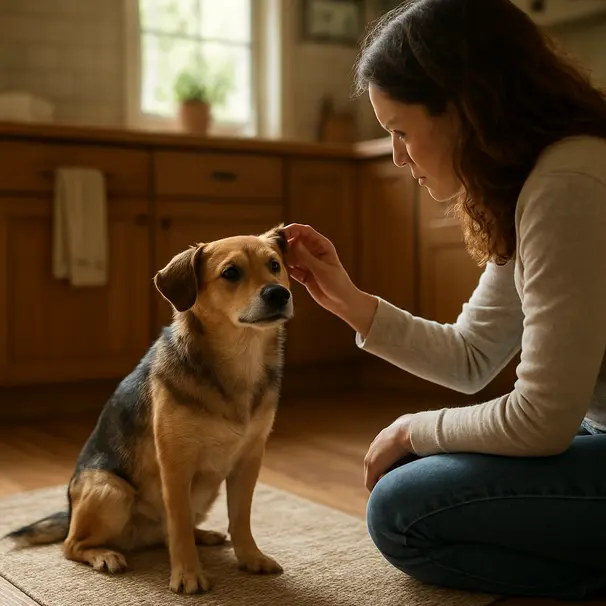
Yeast infections in dogs: a friendly guide
If your dog is scratching more than usual, rubbing their face on the carpet, or giving you that slow, sad-eyed paw-lick, they might be dealing with a yeast infection. These infections can be uncomfortable, smelly, and sometimes stubborn, but many pet owners find relief with consistent care and the right support from a veterinarian and trusted pet carers.
This guide walks you through what yeast infections look like, what can make them flare up, how a vet might diagnose them, and practical steps you can take at home. I’ll also share prevention ideas and tips for working with carers who look after your dog while you’re away.
What is a yeast infection?
Yeast are tiny fungi that live on skin and in ears. In small amounts they can be harmless, but if they multiply, they may cause irritation and inflammation. In dogs, the most common type involved is a yeast called Malassezia, which can affect the skin, paws, ears, and skin folds.
Because yeast thrive in warm, moist environments, certain areas of your dog’s body can be more at risk. That’s why you’ll often hear about yeast in ears, between the toes, and in facial folds.
Common signs to watch for
Yeast infections can show up in a few different ways. Keep an eye out for one or more of these signs:
- Itchy, red, or greasy skin
- A distinctive musty or bread-like smell
- Repeated scratching or rubbing of ears and head
- Thickened or discolored skin
- Brown or yellow waxy discharge from the ears
- Licking or chewing paws, often with staining between the toes
- Hair loss in affected spots
Signs can be subtle at first. If your dog has chronic ear problems, persistent paw licking, or skin that never seems to fully clear, yeast may be part of the picture.
Where yeast infections often appear
- Ears: especially floppy-eared breeds
- Between toes and pads
- Facial folds and lip folds
- Armpits, groin, and other warm, damp areas
- Areas of chronic inflammation or allergy
Certain breeds and body types with deep skin folds or heavy ears can be more prone to recurring issues.
What causes yeast to overgrow?
A few common factors may let yeast multiply. These often overlap, so your dog might have several risk contributors at once:
- Allergies: environmental or food allergies can change skin conditions and encourage yeast growth
- Moisture: repeated dampness from swimming, bathing, or sweat in folds
- Poor ear ventilation: floppy ears can trap moisture and debris
- Antibiotics: a course of antibiotics may upset the balance of microbes
- Hormonal conditions: some endocrine disorders can change the skin surface
- Weakened immunity: illness or stress may reduce natural defenses
- Anatomy: skin folds or tightly packed toes create warm pockets
Remember, these are risk factors to consider. A vet can help identify which might apply to your dog.
How a vet usually evaluates yeast
If you suspect a yeast infection, a vet visit can be a helpful next step. During an appointment the vet may:
- Ask about the dog’s history, bath schedule, diet, and previous skin problems
- Do a full physical exam and look closely at the ears and skin
- Use a microscope to check skin or ear scrapings for yeast cells
- Recommend allergy testing or blood tests if infections keep coming back
Diagnostic testing helps confirm whether yeast is the main issue and whether other problems, like bacteria or mites, are involved. That matters because treatments differ.
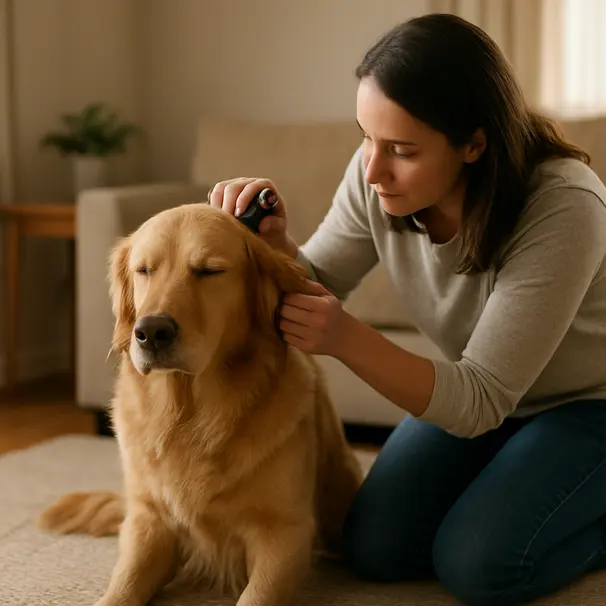
Treating yeast at home: practical steps
If a vet diagnoses a yeast infection, treatment often combines topical care and, in some cases, medications. Always consult your veterinarian before starting new products, and follow their instructions closely.
At-home steps that can help manage yeast include:
- Gentle cleaning: Clean ears or skin folds with vet-recommended cleansers. Avoid harsh soaps that dry skin out further.
- Medicated shampoos: Antifungal shampoos with ingredients like chlorhexidine or miconazole may be recommended. Regular, targeted bathing can reduce surface yeast.
- Topical creams and sprays: These can be applied to localized patches.
- Ear drops: For ear infections, medicated drops prescribed by the vet may be used for a set period.
- Keep skin dry: After swimming or bathing, dry ears and folds thoroughly but gently.
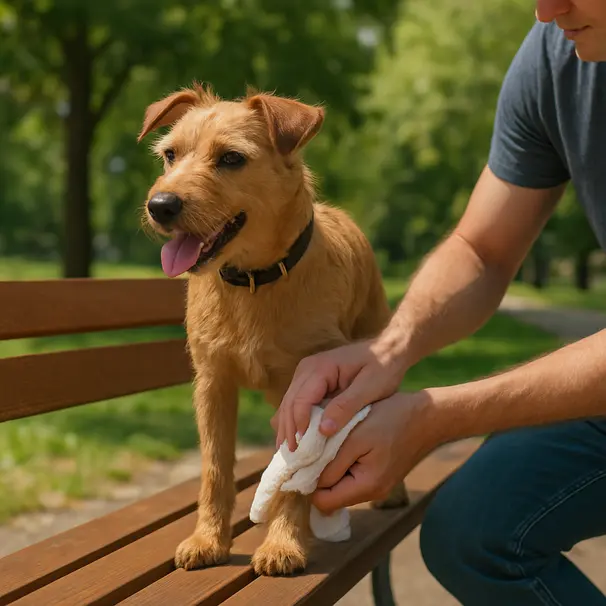
- Paw care: Wipe paws after walks, especially if they’re muddy or damp. Dry between the toes.
- Avoid over-bathing: Too-frequent baths can strip natural oils and sometimes make the skin more vulnerable.
H3: About medicated products
Medicated options that a vet may recommend can help control yeast. Pet owners should use only products advised by their vet, and stop or change treatment if irritation appears. These products may be topical or oral; a vet will decide based on the severity and location of the infection.
H3: Diet and supplements
Some owners find that improving overall skin health through diet and supplements helps reduce flare-ups. Balanced nutrition, a healthy weight, and certain omega-3 supplements may support skin, but diet changes should be discussed with your vet to make sure they’re appropriate for your dog.
Ear yeast infections: special care
Ears often need focused attention. Signs of ear yeast include head shaking, frequent ear scratching, doughy ear wax, and a strong smell. If your vet confirms a yeast ear infection, expect a plan that might include:
- Cleaning the ear gently with a vet-approved solution
- Applying or prescribing medicated ear drops
- A scheduled follow-up to ensure the infection clears
Avoid poking cotton swabs deep into the ear canal. Gentle cleaning and following your vet’s directions tend to be most effective.
Preventing future flare-ups
Good prevention habits can reduce the chance of repeat infections. Try these practical measures:
- Keep ears and skin folds dry after baths and swims
- Wipe paws and dry between toes after walks
- Maintain a regular grooming schedule that suits your dog’s coat
- Address allergies with your vet’s help
- Avoid long courses of unnecessary antibiotics when possible
- Use a humidifier or dehumidifier if home humidity contributes to damp skin conditions
Long-term success often means addressing the underlying risk, not just the symptoms.
When to contact your veterinarian
Contact your vet if:
- Symptoms persist after a few days of treatment
- The infection returns quickly after seeming to clear
- Your dog is in obvious pain, has a fever, or shows other systemic signs
- You notice swelling, open sores, or bleeding
If a dog’s condition worsens or they seem unwell, prompt veterinary advice is best. Treating early can prevent complications.

Working with pet carers and sitters
If you use Floofy or another pet care service, clear communication helps carers support a yeast-prone dog effectively. Share a brief, written care plan that includes:
- Any current treatments and application instructions
- Cleaning routines for ears, paws, and folds
- Signs that need quick reporting, such as worsening redness or new discharge
- Preferred grooming frequency and bathing products
- Feeding, treats, and supplement instructions
Choose carers who are comfortable with basic skin care tasks. A short demonstration before you leave can make everyone more confident.
H3: Hygiene for carers
Encourage carers to wash hands before and after touching affected areas, and to use clean towels and tools. This reduces the chance of spreading infection to other pets or reintroducing yeast to the dog’s skin.
Quick checklist: a simple care plan you can print
- Confirm vet diagnosis and treatment plan
- Note treatment start date and expected follow-up
- Use vet-approved cleanser or shampoo as directed
- Dry ears and folds thoroughly after any moisture exposure
- Wipe paws after walks in wet or dirty conditions
- Log any changes and share with your vet or carer
- Schedule regular grooming and check-ups
Final thoughts and reassurance
Yeast infections can be frustrating, but many dogs respond well to a consistent routine and appropriate vet care. Paying attention to moisture control, regular cleaning, and allergic triggers may help reduce flare-ups over time. Trust your instincts: if something seems off or recurrent, a vet visit can help get to the root cause.
If you use Floofy to find carers, include clear notes about your dog’s needs and the treatment routine. A caring, informed sitter can make a big difference in comfort and recovery.
This post aims to give practical, friendly pointers. For personalized advice, diagnosis, and medication, please consult your veterinarian.