

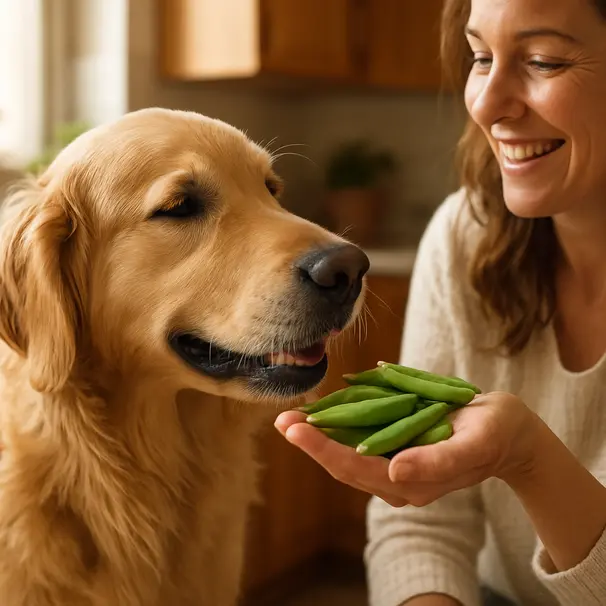
Quick answer: Are sugar snap peas dog-friendly?
Short version: yes, sugar snap peas are generally easy for dogs to digest and can be a healthy, crunchy treat in moderation. They offer vitamins, fiber and a fun texture that many pups enjoy. That said, every dog is different and you should consider size, age, and any existing digestive sensitivities before sharing them. When in doubt, check with your vet.
Why sugar snap peas are worth a spot in the treat drawer
Sugar snap peas are the pod-and-all variety of pea that stay tender and slightly sweet. For humans they’re a crisp, snackable vegetable and for dogs they can be a low-calorie treat alternative to commercial snacks. Here’s what they bring to the bowl in a simple, practical way:
- Vitamins and antioxidants: Sugar snap peas contain vitamins A and C and other micronutrients that may support general wellbeing.
- Fiber: They add gentle bulk and fiber which can help digestion when fed appropriately.
- Low calories: A few peas won’t add much to daily calorie intake, making them a good option for training rewards or weight-conscious pets.
- Crunch factor: Many dogs love the crunchy texture and it can be mentally satisfying without being fatty.
Keep in mind these are not a replacement for balanced dog food. Think of them as a fresh, seasonal treat that can diversify your pup’s palate.
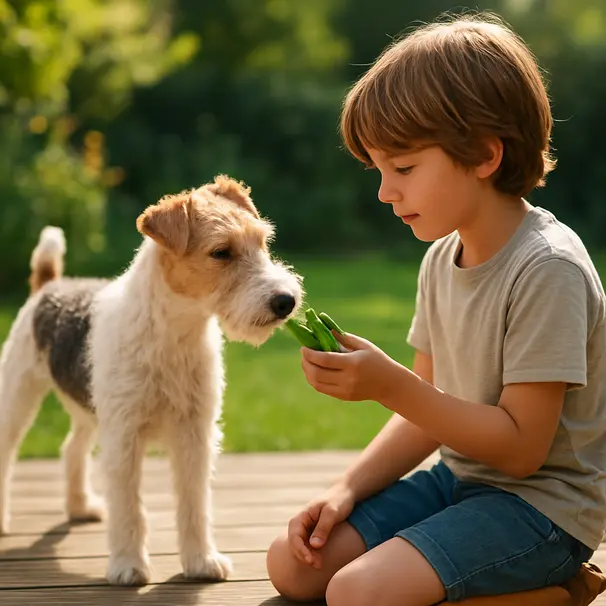
A backyard snack time with sugar snap peas and dog.
Nutrition snapshot: what’s actually inside a sugar snap pea
Instead of listing clinical numbers, here’s what to consider about nutrients. Sugar snap peas provide a mix of vitamins, some protein, a bit of iron and manganese, and dietary fiber. They are not high in fat, which makes them a safer treat choice than many human snacks. Because they’re whole vegetables rather than processed food, they come without added salt or oils—assuming you serve them plain.
Digestibility: will these upset my dog’s stomach?
Most dogs digest sugar snap peas without trouble, especially when served in small amounts. The pea pod is edible and tends to be tender, but whole pods can sometimes be harder for very small dogs to chew fully. Peas are legumes, and like other legumes they may cause some gas in sensitive dogs. If your pup has a known sensitive stomach, introduce them slowly and watch for signs like loose stools or extra flatulence.
How to introduce peas safely
- Start with a tiny amount, a few pea pods or a tablespoon of peas depending on your dog’s size.
- Wait 24–48 hours and monitor energy, stool, and appetite.
- If there’s no reaction, you can offer peas occasionally as a treat.
How to prepare sugar snap peas for your dog
Simplicity is best. Raw peas are fine, and many dogs enjoy the crispness right from the pod. You can also lightly steam or blanch them to soften the texture, which may help older dogs or pups with missing teeth. Avoid added butter, salt, dressings or seasonings. Canned peas often contain sodium or additives, so skip those unless they’re rinsed extremely well and approved by a vet.
- Raw: Wash thoroughly and cut into smaller pieces for tiny dogs.
- Steamed: A minute or two to soften, then cooled.
- Frozen: Quick and refreshing, but supervise to avoid choking on very cold whole peas.
Choking and portion safety
Whole peas are usually safe, but for dogs under 10 pounds cut pods into halves or quarters. For puppies or dogs who gulp treats, use pieces no larger than you’d serve for training. Avoid giving a large bowl of peas unattended; portion control matters.
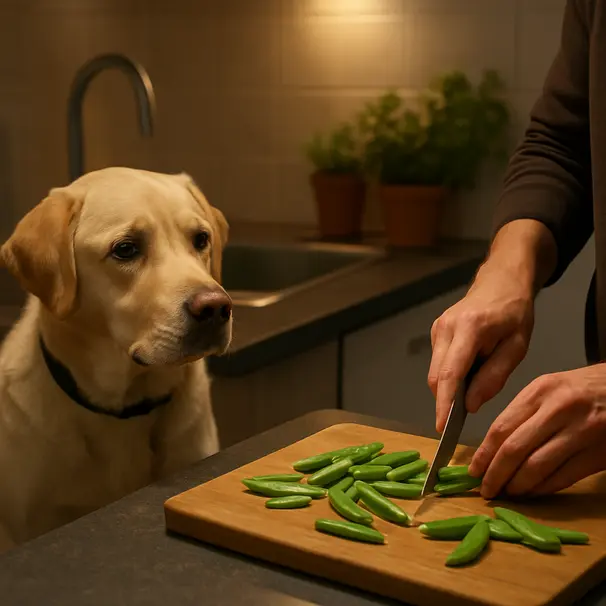
Kitchen prep: chopping peas into bite-size pieces.
How many peas should my dog eat?
Treat peas like any other snack and keep them under about 10% of daily calorie intake. A rough guideline:
- Small dogs (under 10 lbs): a few pea pods or 3–5 peas per day as an occasional treat.
- Medium dogs (10–30 lbs): 5–10 peas or a small handful.
- Large dogs (over 30 lbs): up to a small cup spread through the day as a supplement to normal meals.
These are flexible suggestions. If your dog is on a special diet for weight management or a medical condition, talk to your vet before adding new treats.
Creative ways to use sugar snap peas
Beyond handing a pea or two by the kitchen counter, you can use sugar snap peas to make snacks more interesting. Here are pet-friendly ideas:
- Training treats: Use one or two peas for short training sessions—low-calorie and quick to toss.
- Frozen rewards: Freeze peas in water or low-sodium broth in an ice cube tray for a cooling summertime treat.
- Meal topper: Chop and scatter a few peas over regular dog food for texture and novelty.
- Enrichment: Hide peas inside a food puzzle or snuffle mat so your dog works for the reward and gets mental stimulation.
Simple pea recipes
Here are two safe, simple ideas to try at home.
- Chicken and pea mix: Steam peas and shred cooked, unseasoned chicken. Mix a small spoonful into your dog’s meal for a protein-and-veg boost. Serve in small amounts, especially when introducing new foods.
- Frozen pea pops: Blend peas with a little plain yogurt (if your dog tolerates dairy) and freeze in small molds. Remove from mold and cut into appropriate portions before offering.
When to be cautious or avoid sugar snap peas
There are a few situations where peas might not be a great idea.
- Digestive conditions: If your dog has a history of chronic diarrhea, pancreatitis, or strict dietary restrictions, consult a vet first.
- Sodium concerns: Avoid canned peas with added salt or seasonings.
- Allergies: Food allergies to peas are uncommon but possible. Stop feeding peas if you notice itching, swelling, hives, or digestive upset and consult your vet.
Tips for pet carers and sitters
If you care for other people’s dogs, check the owner’s approval before offering peas. Every household will have rules about treats and portion sizes. Keep these practical habits in mind:
- Ask before feeding: Always confirm portion size and frequency with the owner.
- Offer supervised treats: Never leave a new food unattended with a dog who’s not yet tried it.
- Record reactions: Note any gastrointestinal changes during a sitting and report them to the owner.
Buying, washing, and storing tips
Choose peas that look bright green and snap when bent. Wash thoroughly to remove dirt and pesticides. If you prefer convenience, frozen sugar snap peas are often picked and frozen at peak freshness and can be steamed directly from frozen. Keep cut peas in the fridge for a day or two in an airtight container.
Addressing common questions
Can dogs eat pea pods or just the peas inside?
With sugar snap peas the pod is edible and soft enough for most dogs. If your dog has trouble chewing or tends to swallow large pieces, chop the pods smaller.
Do peas cause gas in dogs?
Some dogs may experience more gas after legumes. Start small and watch how your dog reacts. If gas is persistent or accompanied by other symptoms, pause feeding and ask your vet.
Are sugar snap peas better than regular peas?
Sugar snap peas are often eaten whole while regular shelled peas are just the round seeds. Nutritionally they’re similar, but sugar snap peas offer the extra pod texture which some dogs find satisfying.
Final thoughts: keep it simple and watchful
Sugar snap peas can be a nutritious, low-calorie treat that many dogs digest easily. Offer them plain, in controlled amounts, and pay attention to your dog’s size and digestive history. For pet carers at Floofy, they’re a handy, fresh treat to bring on a walk or use during training—always with owner permission and a watchful eye.
If your dog has special dietary needs or a medical condition, consider scheduling a quick chat with your veterinarian to confirm peas fit into their plan. Enjoy the little crunchy moments, and remember that variety and moderation make for happy, healthy pups.
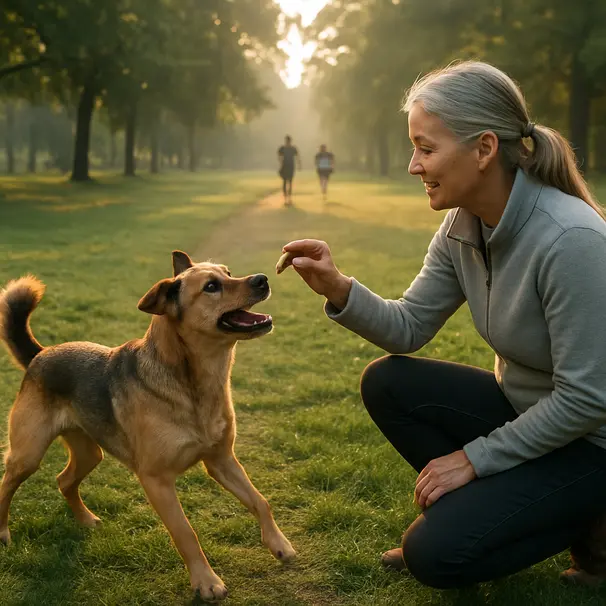
A pet carer offers a frozen pea treat during a walk.